Kilimanjaro farm
Coffee, forest, and community
Kilimanjaro, a farm that combines production and sustainability.
Farm overview
Country / Region : Nicaragua, Jinotega région
Producers: Andres Carlos
Altitude : 1300 - 1400 m
Farm size : 9 hectares of coffee
Annual production :≈ 40 000 kg
Varieties : Yellow Catuai & Red Catuai
Processing methods: Washed
Farming model: Agroforestry & Agritourism
Certification: Rainforest alliance & Private natural reserve
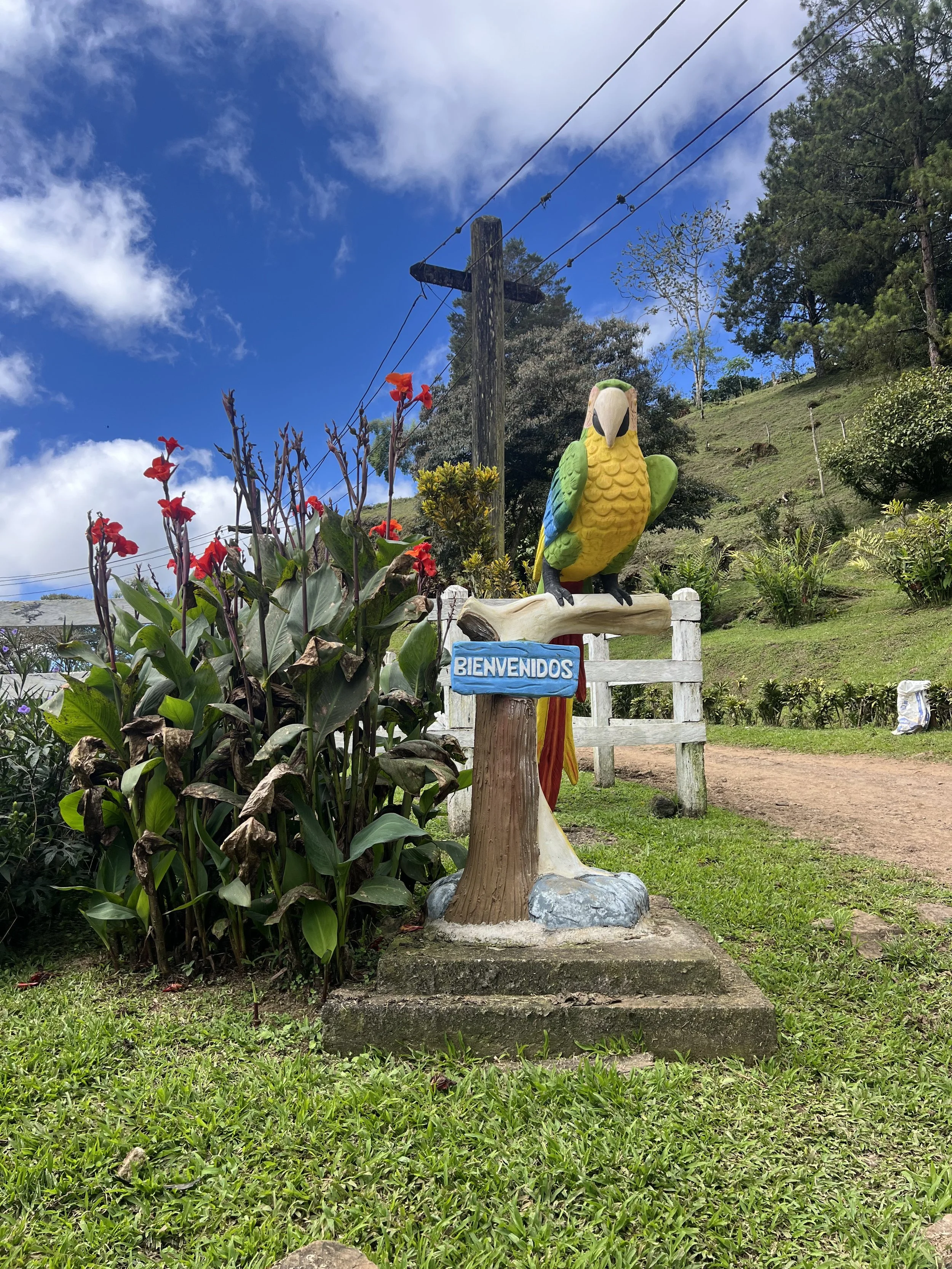
The Finca Kilimanjaro lies in the humid mountains of the Jinotega region in northern Nicaragua.
Here, Andres Carlos grows specialty coffee within a misty forest landscape where coffee trees coexist with pastureland and protected natural areas.
The farm, founded by his grandfather more than fifty years ago, takes its name from Africa’s Mount Kilimanjaro, a reference to the cold, cloud-covered climate that once defined these highlands.
A farm between Coffee & Forest
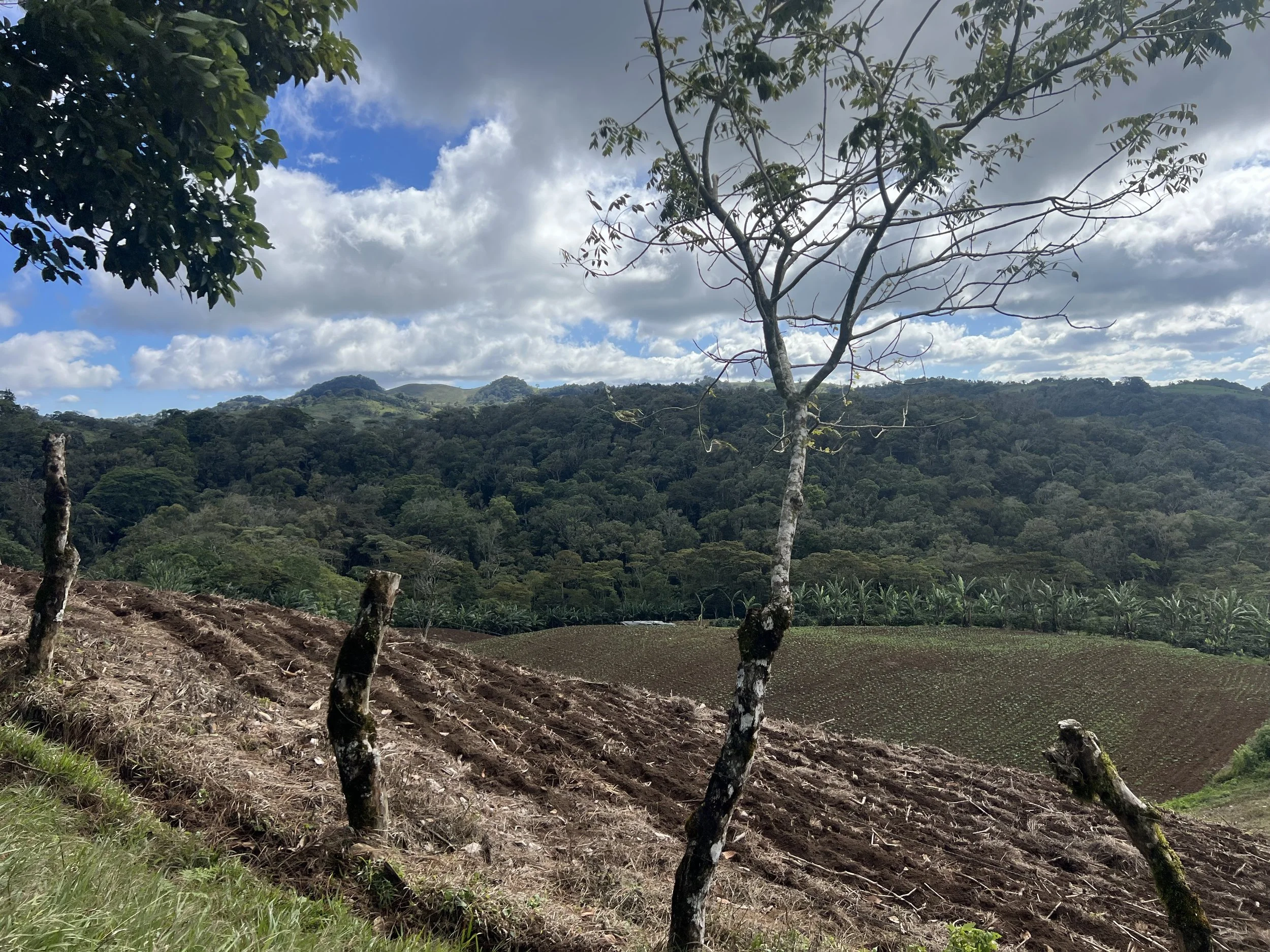
Finca Kilimandjaro stretches across rolling hills covered with coffee trees, pastureland, and high-elevation forest. More than 70 ha of forest are preservedin the upper areas of the property, forming a natural reservethat protects the water sources.
This forest is also connected to that of the neighboring Jaguar farm, creating a continuous ecological corridor between the two properties.
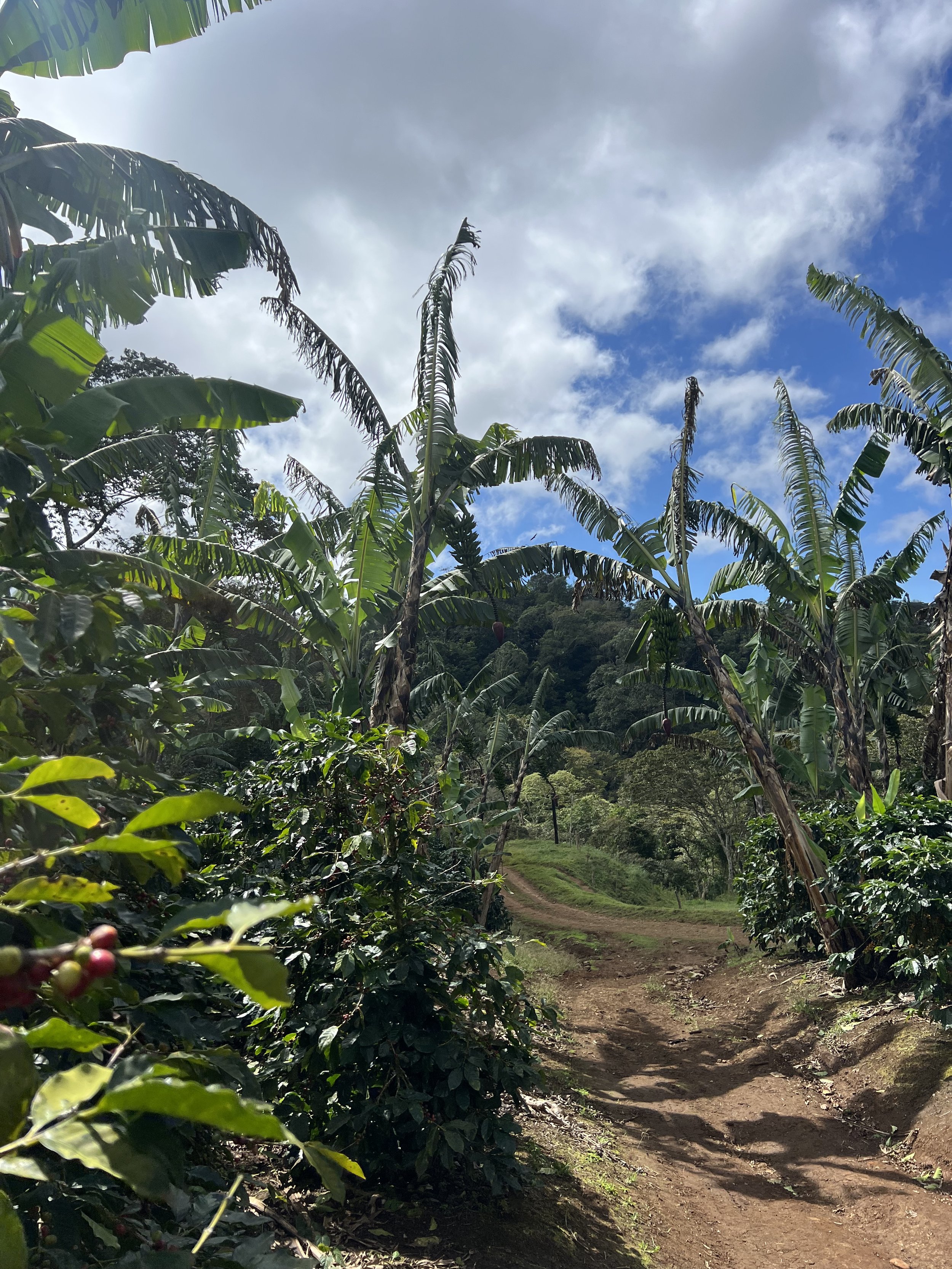
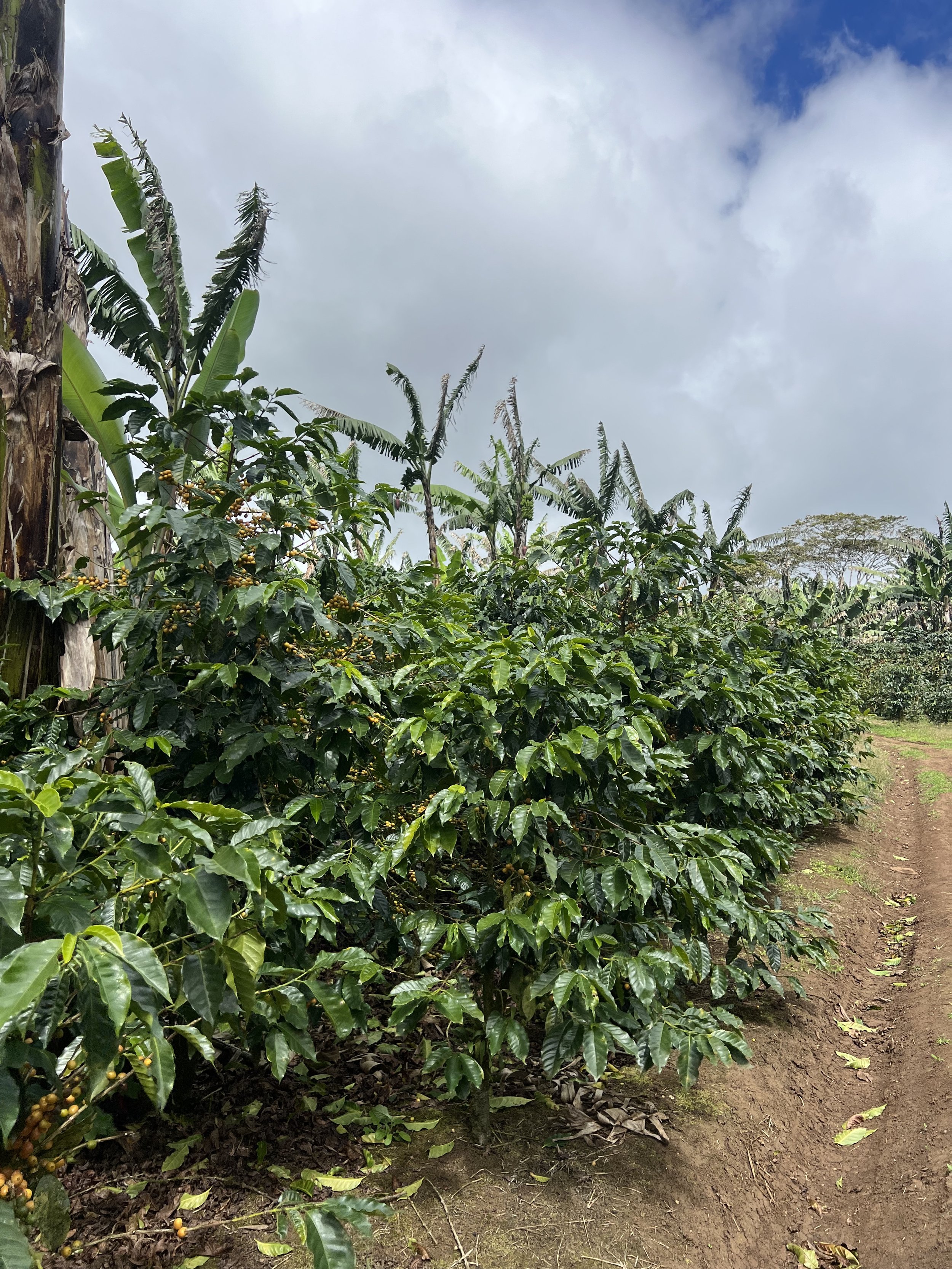
On the cultivated plots, coffee trees grow mainly under banana shade, which Andres favors for its simple management and ability to maintain rapid vegetative cover.
This mosaic of crops, trees, and natural spaces reflects the balance the producer seeks: preserving soil fertility and water resources while sustaining viable agricultural production in a humid mountain environment.
The Coffee of Kilimanjaro
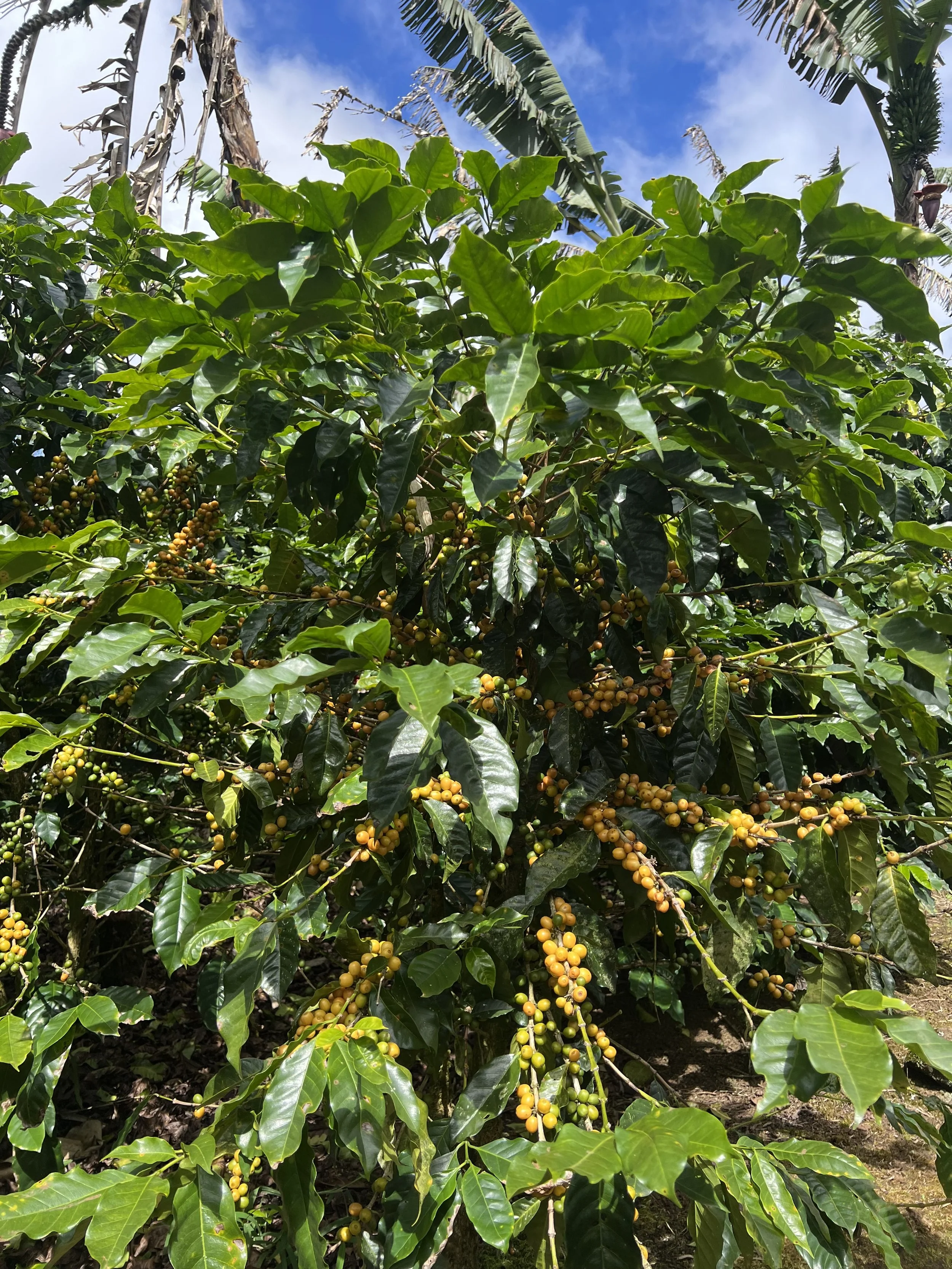
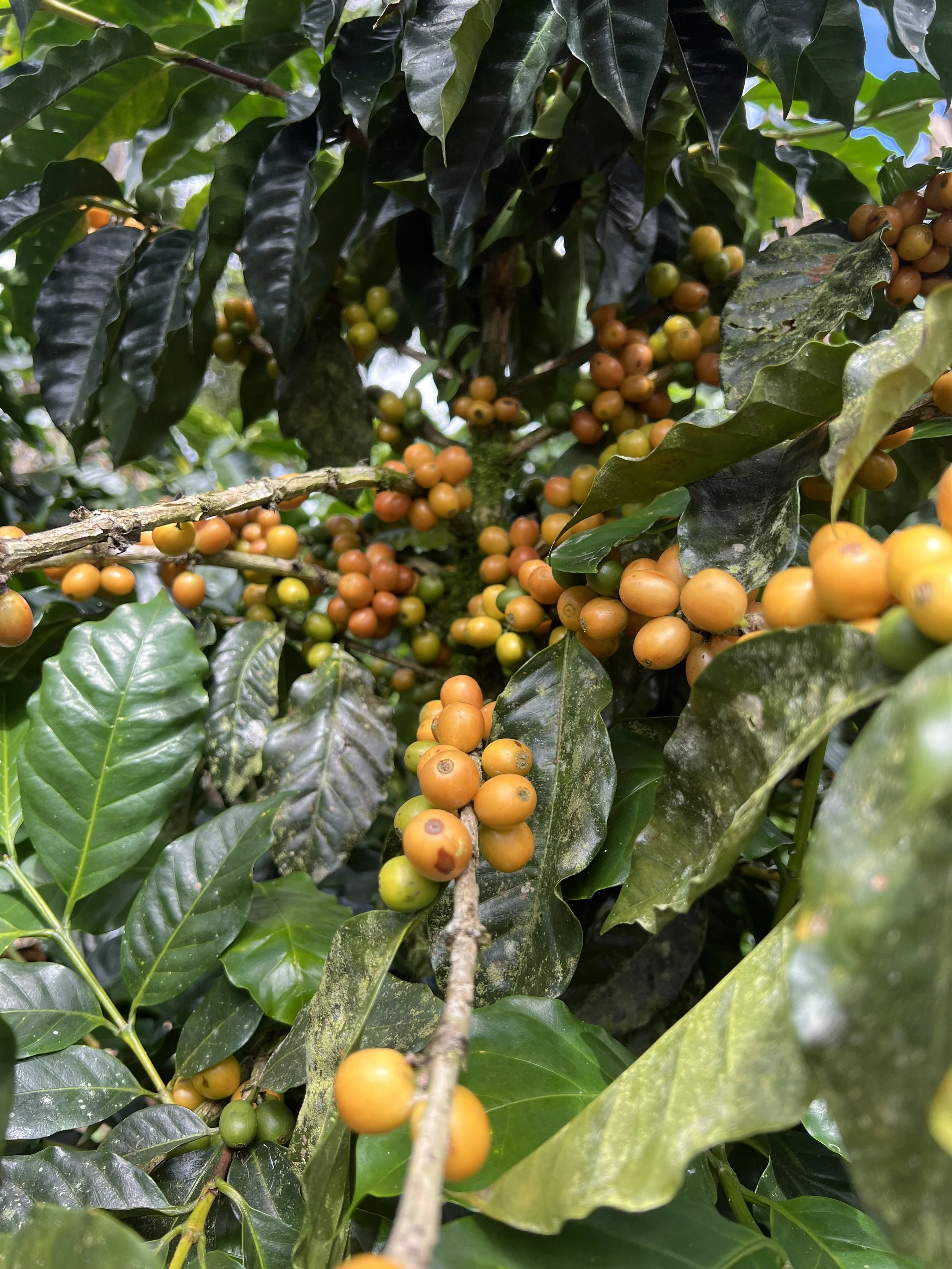
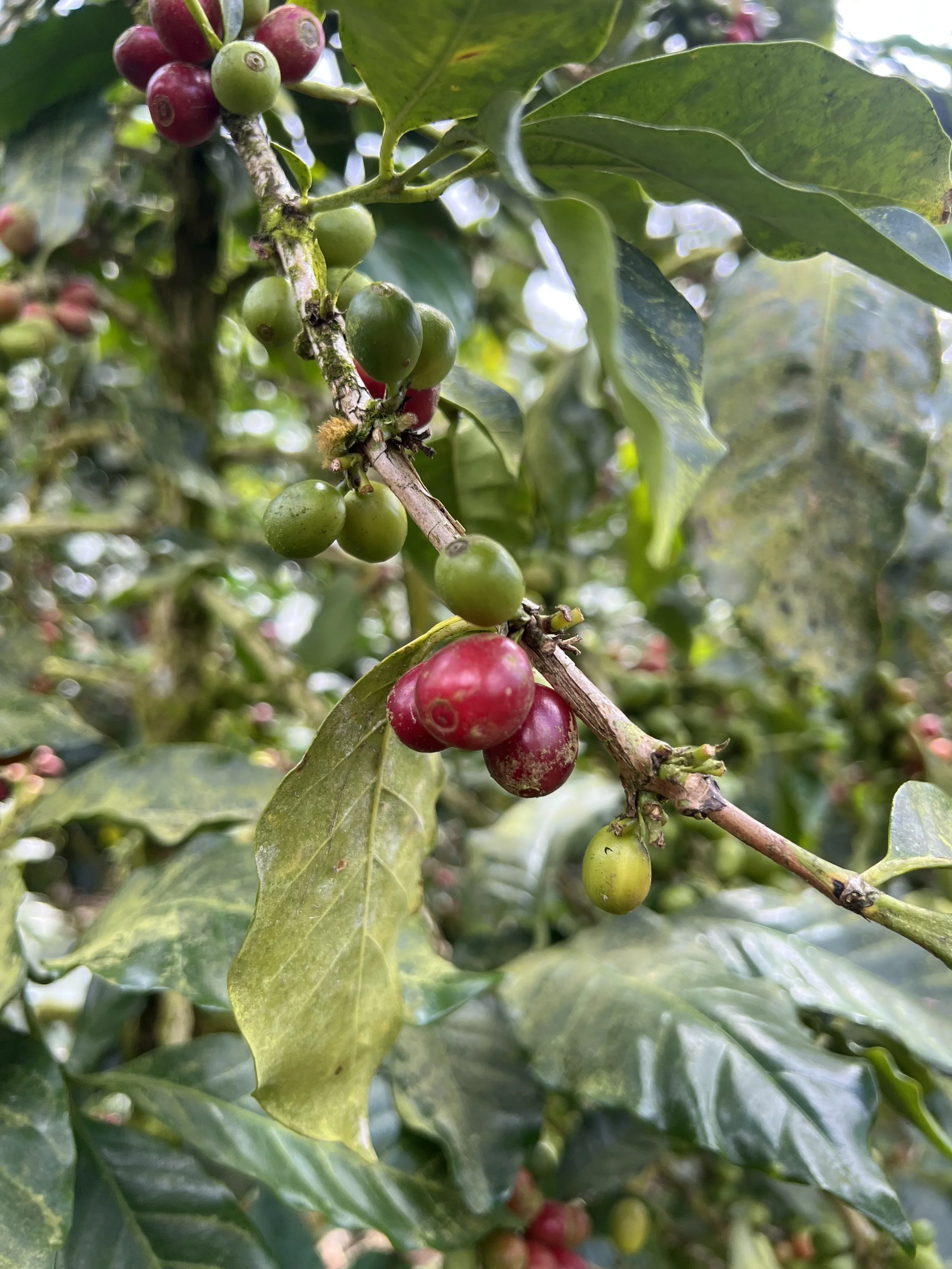
Finca Kilimandjaro primarily cultivates Yellow and Red Catuai. These varieties are known for their cup potential but require constant attention.
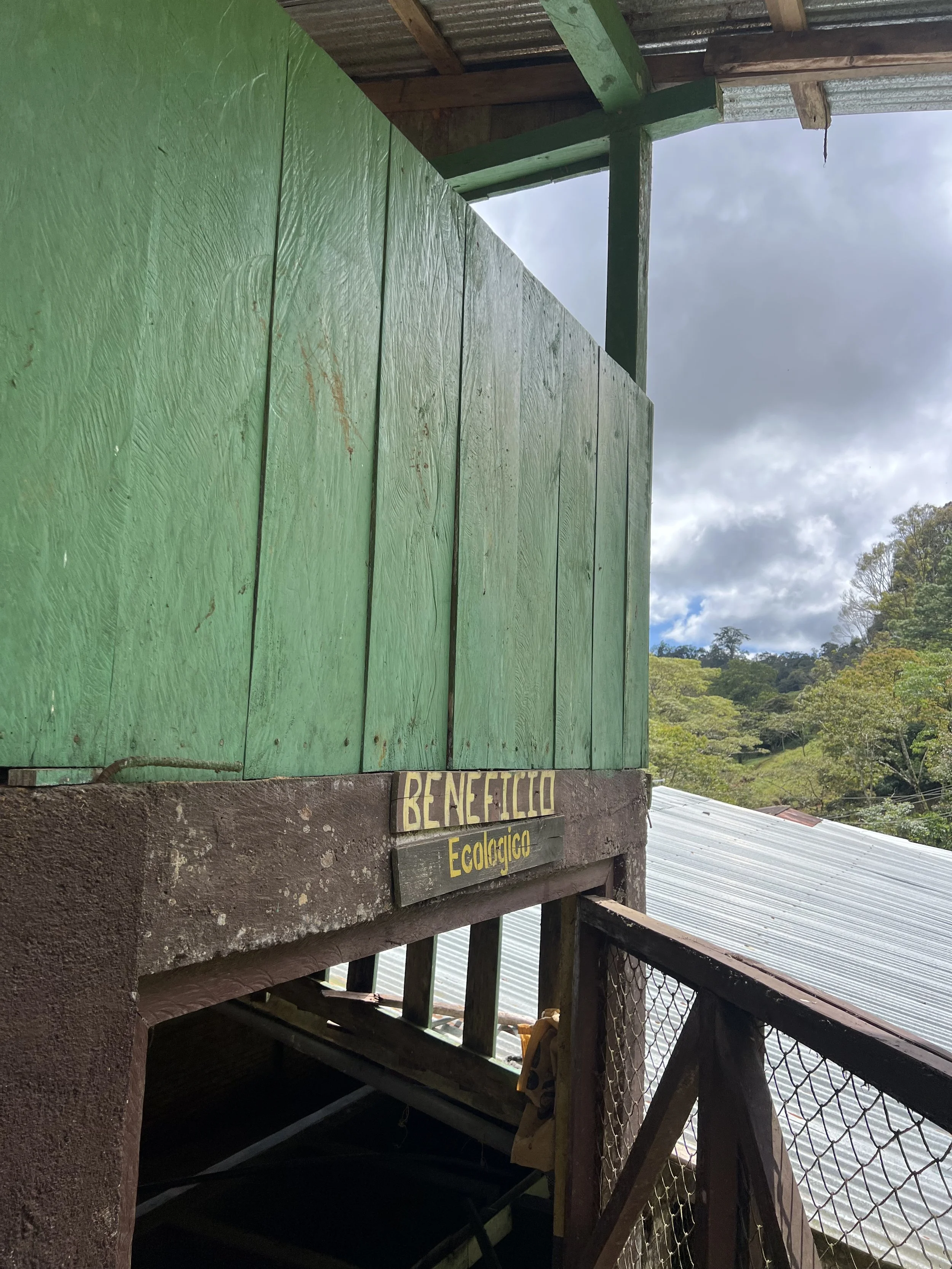
The coffee is fully washed. The cherries are depulped on site and left to ferment for approximately 24 hours to remove the mucilage. They are then washed at the beneficio. The coffee is sold while still wet and transported to Jinotega for drying and final processing. Due to the high humidity in the area, drying is not carried out on the farm.
The final quality depends as much on the care taken during harvesting — carried out cherry by cherry — as on the precision of post-harvest processing.
In the cup, washed Catuai from this high-altitude region typically offers a clean and well-balanced profile.
Diversification & Economic Reality
Like many producers in the Jinotega region, Andres Carlos has had to face the significant fluctuations of coffee prices.
Eight to nine years ago, production was no longer profitable enough to cover costs and the risks posed by diseases.
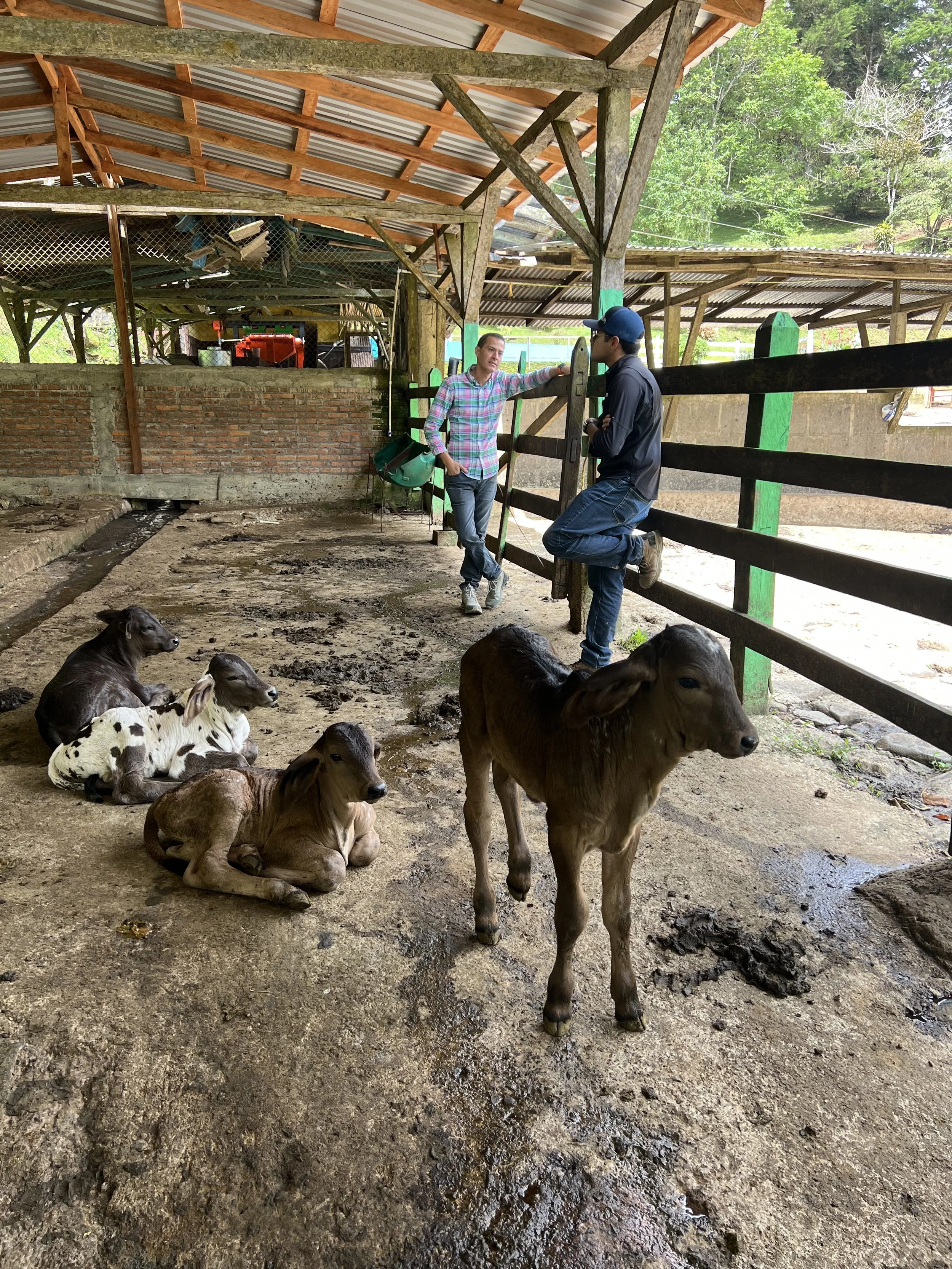
He therefore reduced more than 40 ha of coffee cultivation to focus on and other agricultural activities.
Livestock provides a stability.
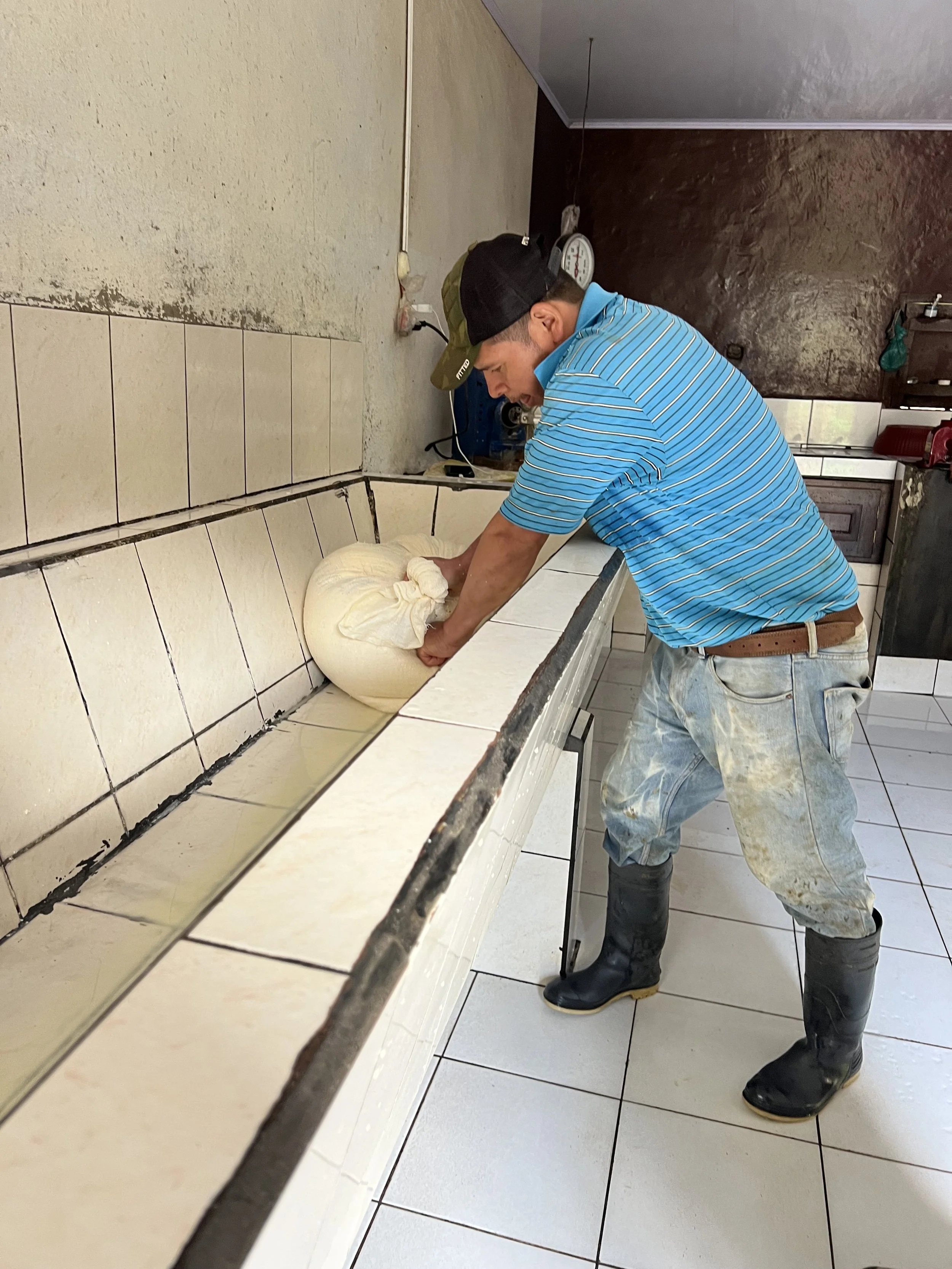
Milk generates a daily income, transformed into fresh cheese - cuajada - sold locally. A cow can be sold quickly in case of financial need, while a coffee tree requires about three years of investment before it produces.
The farm has also turned to agritourism to diversify its income. It welcomes national and international visitors seeking to reconnect with nature and rural life.
Guests can participate in coffee harvesting, cow milking, cheese making, or even horseback rides.
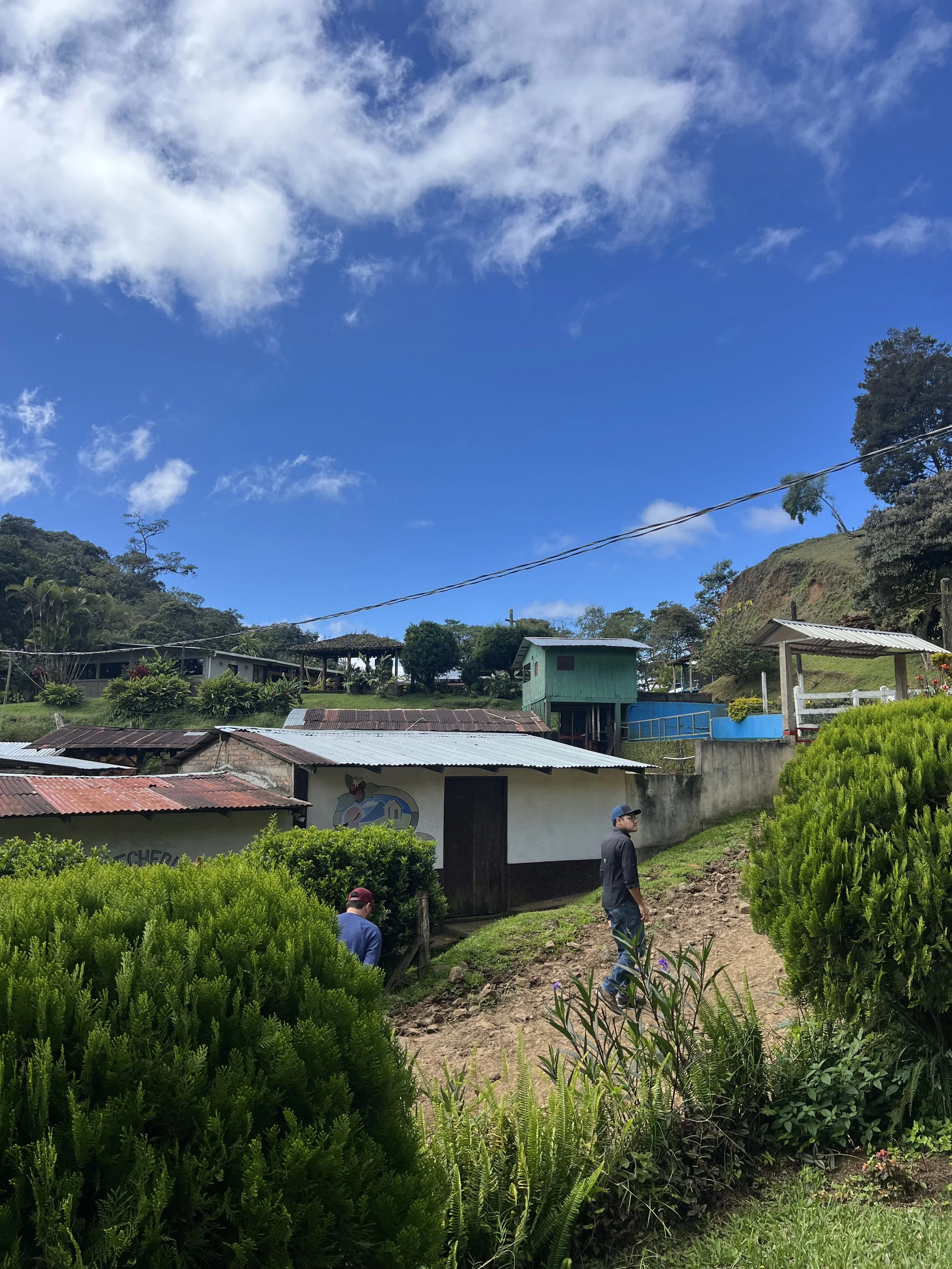
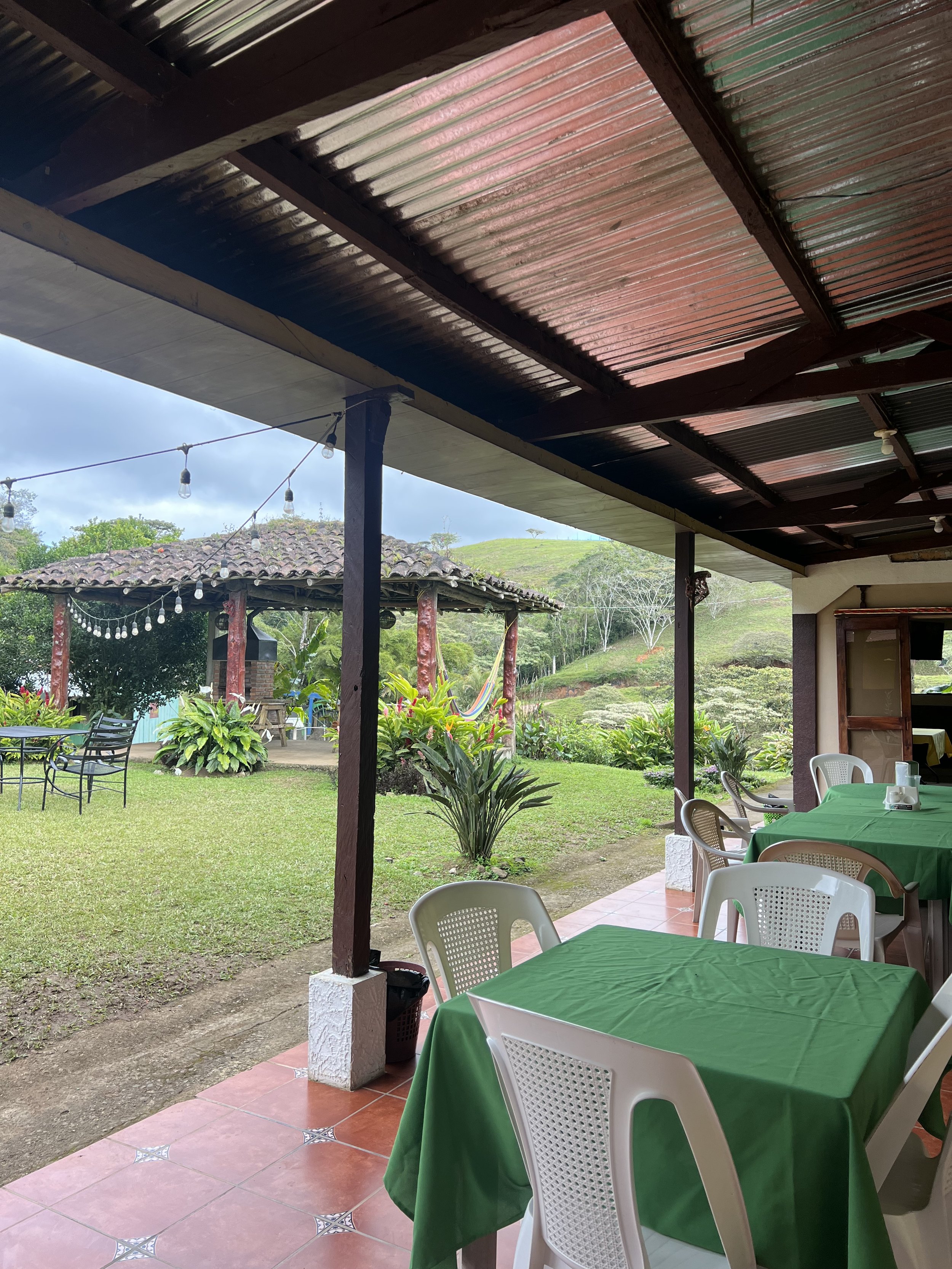
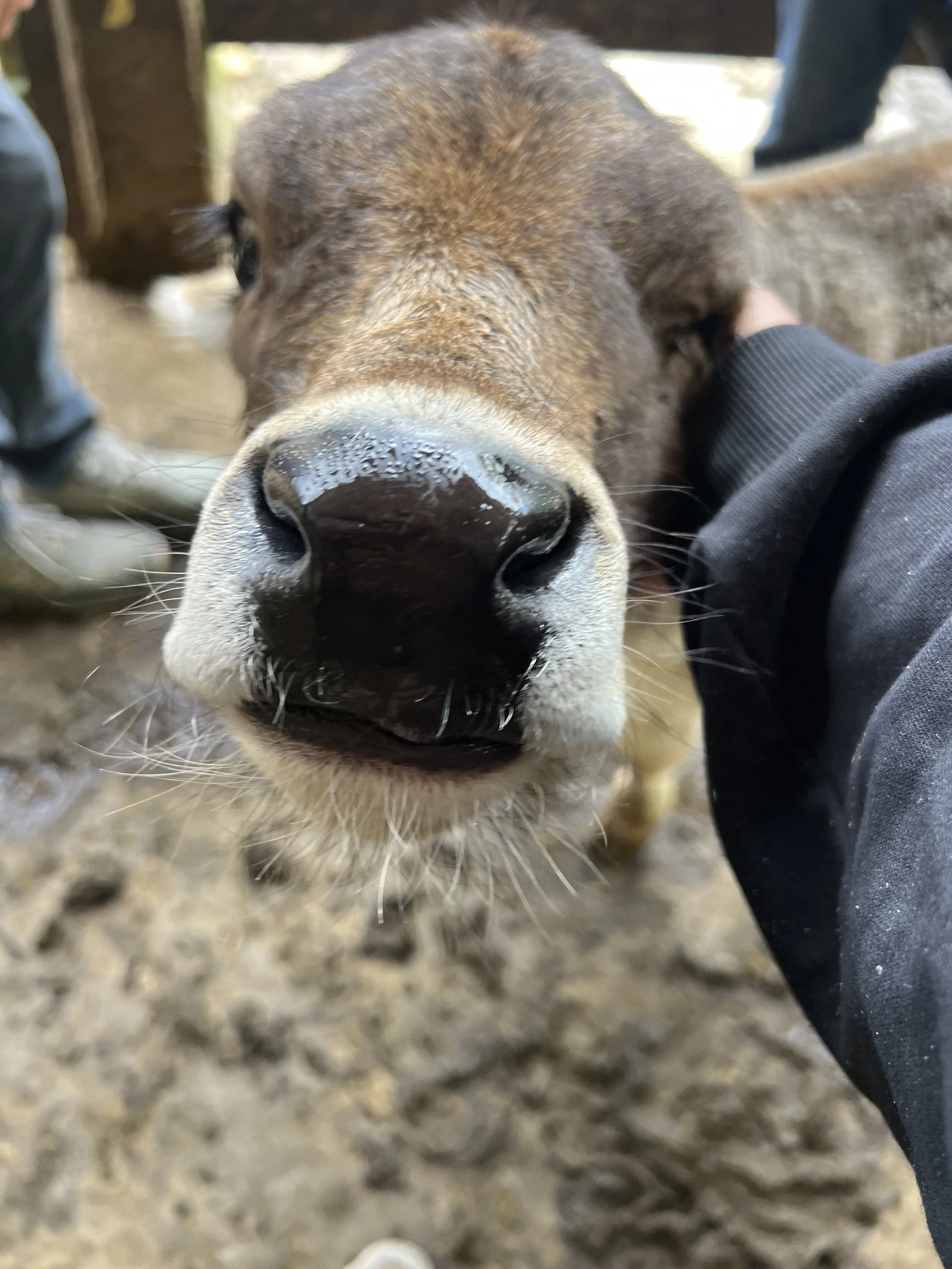
Agritourism not only helps balance the farm’s revenue but also raises awareness about the complexity and care involved in every step of coffee production.
Environmental & Social Approach
Finca Kilimanjaro is a private natural reserve, Rainforest Alliance certified, preserving 70 ha of highland forest and protecting the water sources for the nearby community of Los Horcones.
This forest is also connected to the neighboring Jaguar farm, creating a continuous ecological corridor that allows wildlife and plant species to move freely between the two properties.
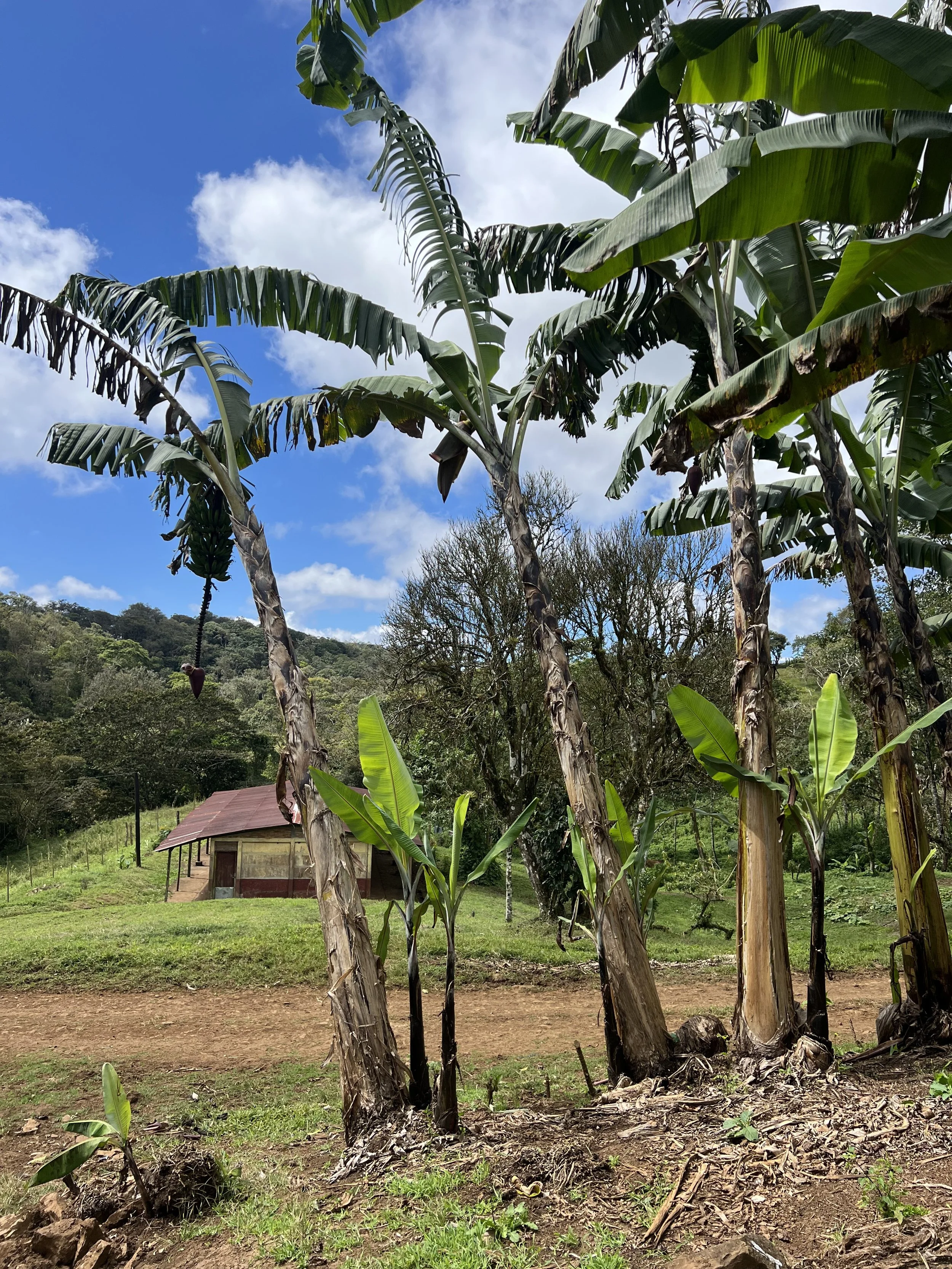
The choice of shade for the coffee trees also reflects this sustainable approach. Andres favors banana plants, which are easy to manage and regenerate quickly, rather than forest trees that require chainsaws. This strategy maintains effective vegetative cover while minimizing impact on the forest.
The farm also supports local employment: workers come from the community and move between Kilimandjaro and the Jaguar farm according to harvest needs. This flexibility provides economic opportunities for several families and strengthens ties between the farms.
This approach combines conservation, agricultural production, and social engagement, showing how Finca Kilimandjaro produces specialty coffee while protecting its environment and supporting the surrounding community.
Our Work with Andres
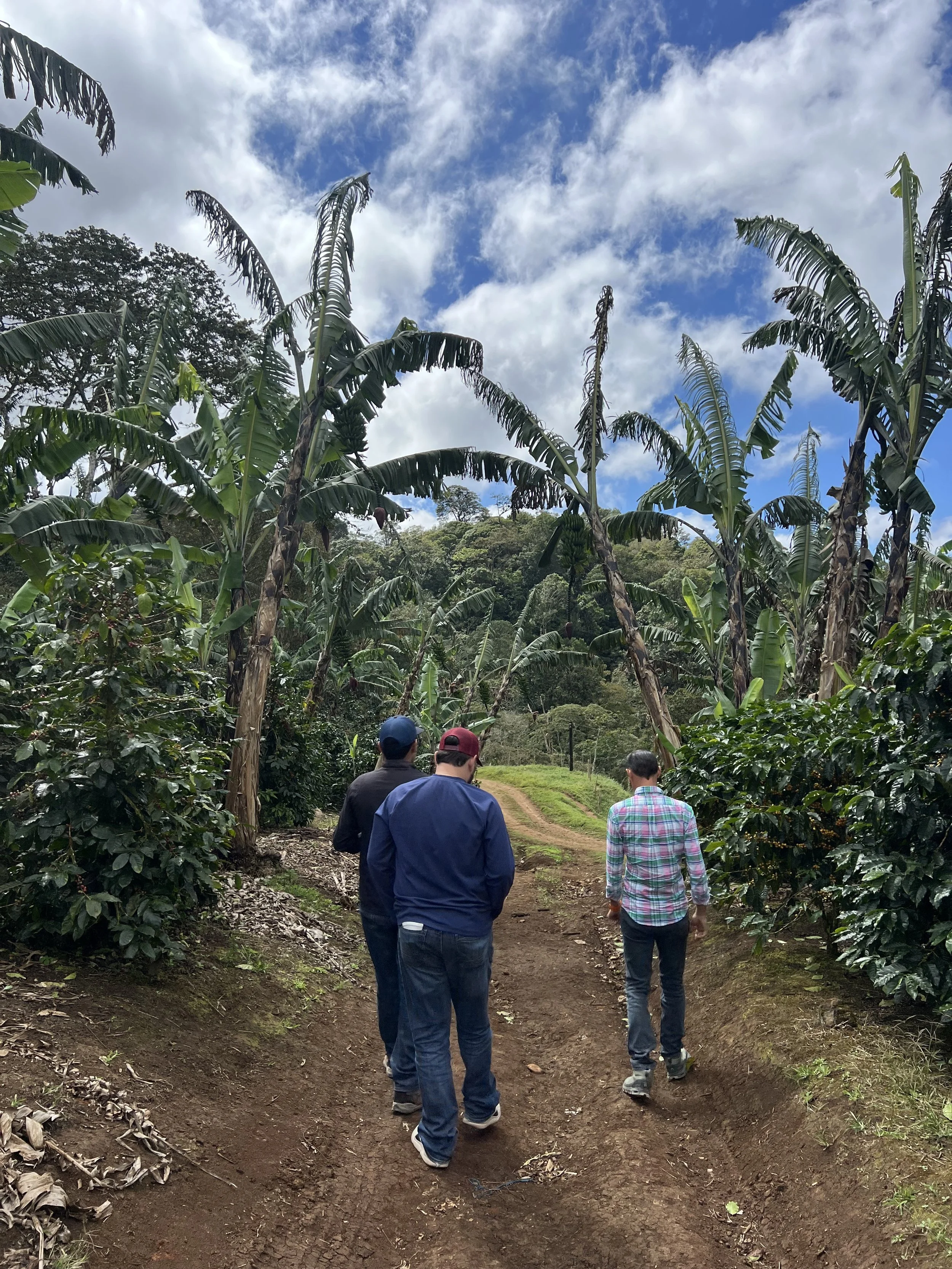
Treerich works directly with Andres Carlos to bring Kilimanjaro’s coffee to the specialty market. The goal is to support the quality of the green coffee, optimize the drying and processing steps, and help the producer access fair and consistent markets.
This collaboration also helps keep coffee cultivation alive on the farm despite economic pressures and the temptation to switch entirely to cattle raising.
Together, Treerich and Andres aim to make coffee production economically viable while preserving the forest and natural resources that make the farm unique.
Beyond trade, this partnership reflects a shared vision: promoting sustainable farming practices, protecting biodiversity, and demonstrating that quality and sustainability can go hand in hand with profitability for small producers.