Eliar’s farm
Eliar’s farm is shifting from cattle and timber toward coffee, combining quality production with forest conservation.
Farm overview
Country / Region : Nicaragua, région San Rafael del norte
Producers: Eliar Herrera
Altitude : 1300 - 1400 m
Farm size : 250–300 hectares
Annual production : ≈ 9 200 kg
Varieties : Catimor
Processing methods: Washed, Honey (in development)
Farming model: Agroforestry
The Farm & Its Story
Coffee is a recent activity for Eliar. For many years, the farm was dedicated to cattle and subsistence crops, following a traditional model in the region.
Despite the previous generation’s reluctance, shaped by difficult experiences with coffee, Eliar began planting gradually, plot by plot.
Today, coffee remains a developing activity, complementing other productions while gradually reshaping the farm’s balance.
Farm Structure & Land Use
The farm covers approximately 250 to 300 hectares, with only a portion dedicated to coffee. Most of the land remains allocated to other uses, particularly cattle and forest.
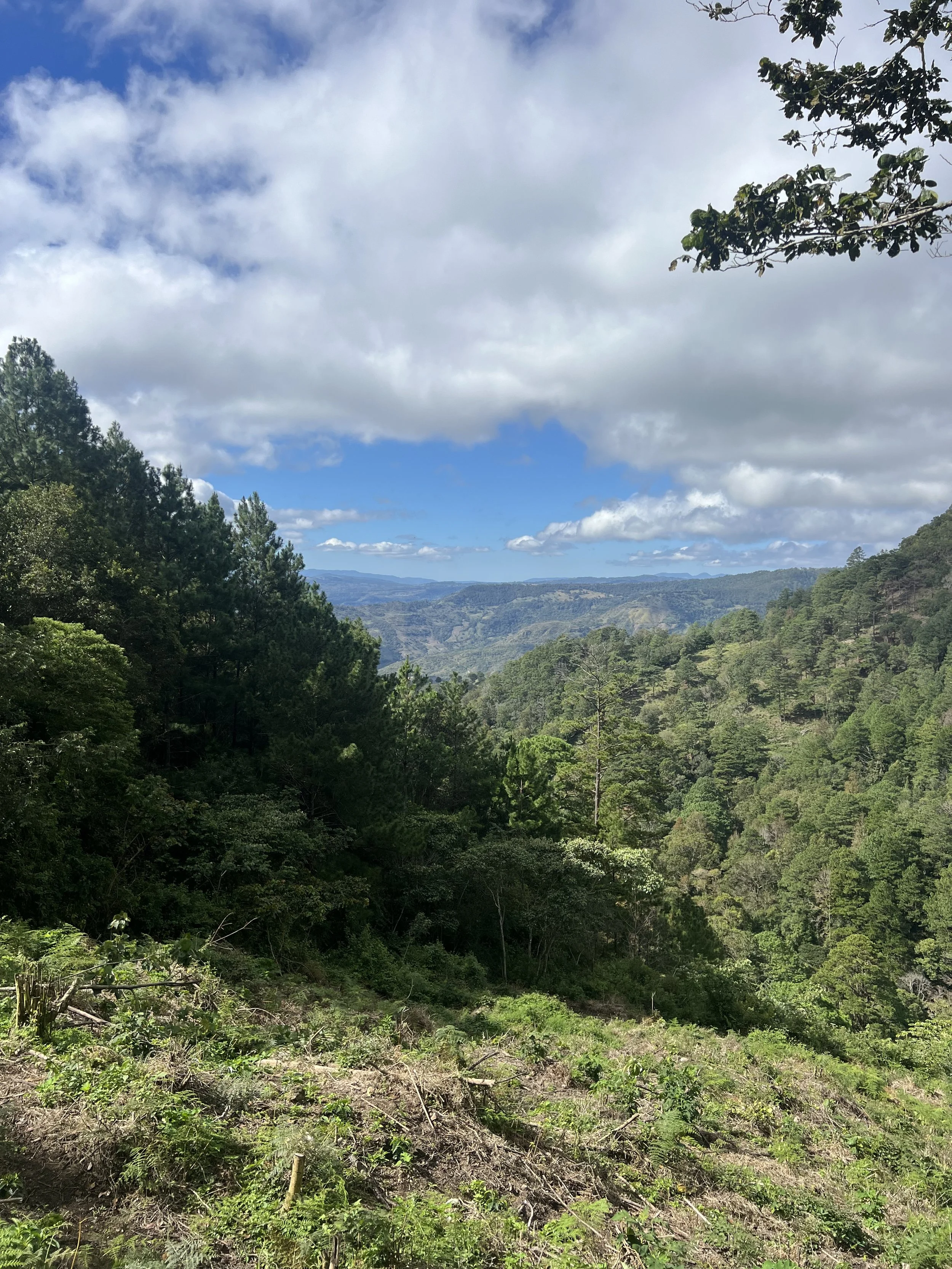
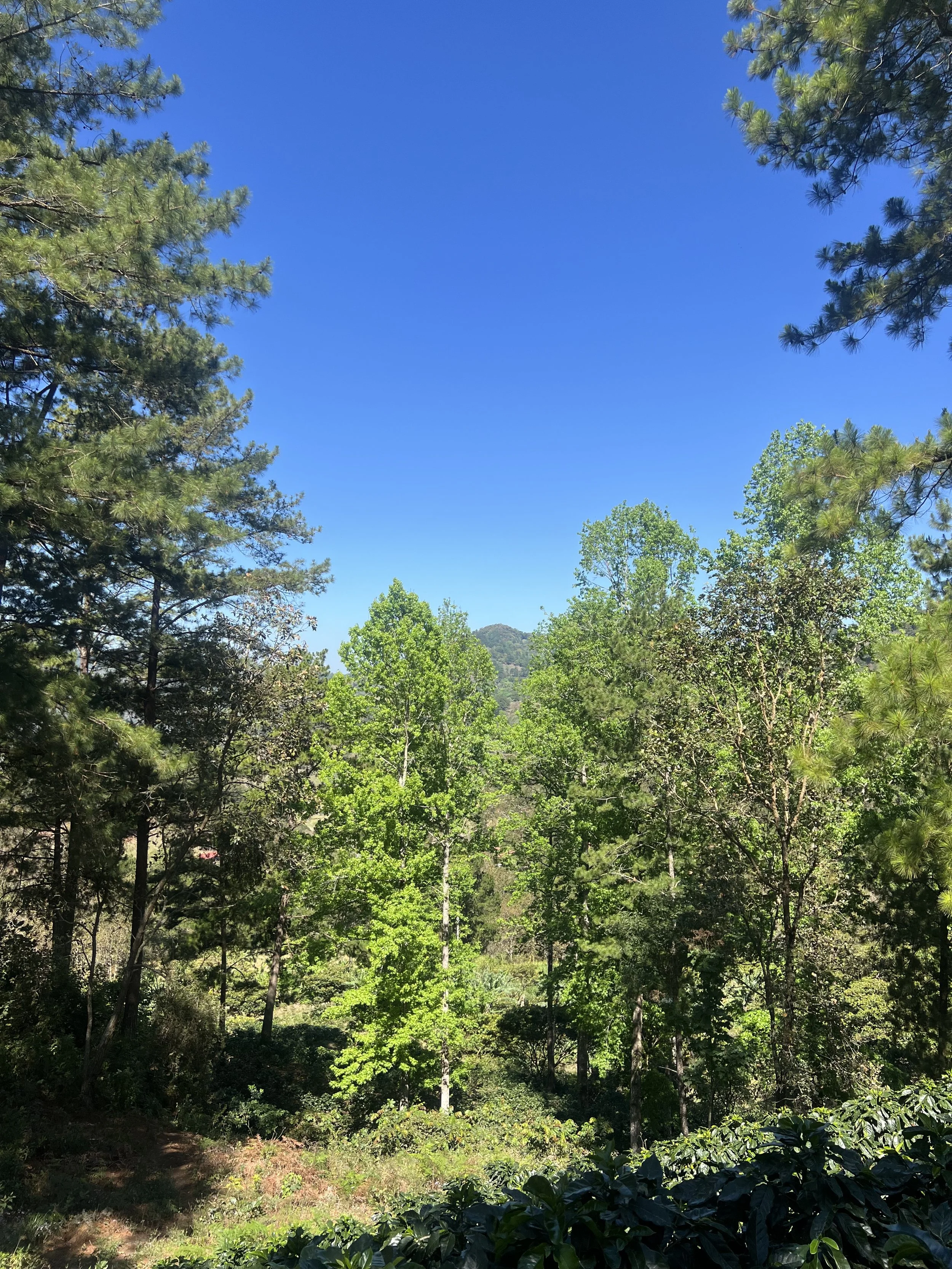
Around 100 hectares are covered by natural forest, making it one of the most forest-rich farms in the area. A similar area is used for pasture, while the remaining land is shared between coffee and subsistence crops.
Today, most of the forest is left untouched, whereas it was previously used for timber. This shift reflects an important evolution in how the farm is managed, with conservation playing an increasingly central role.
Agroforestry & Environment
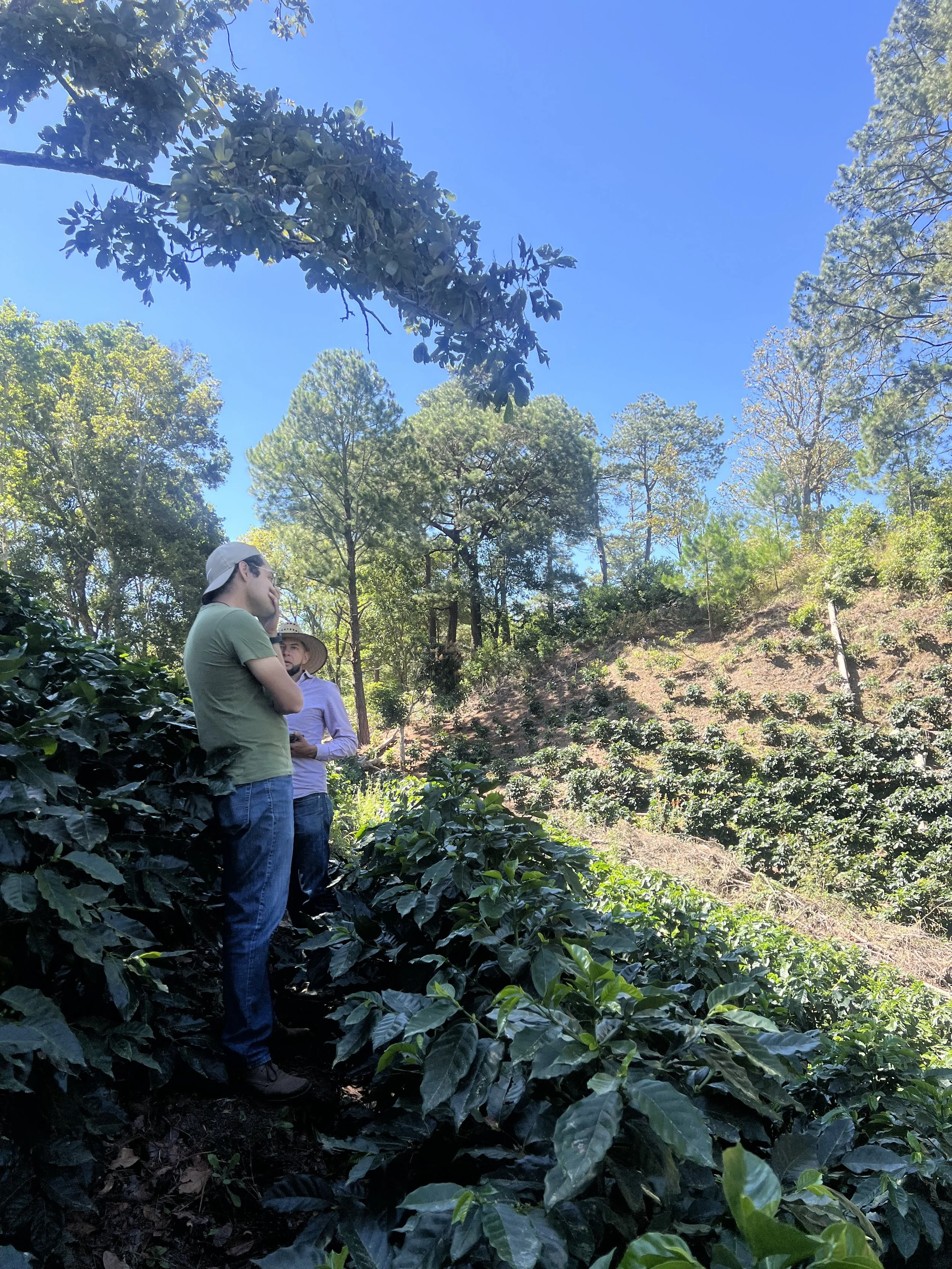
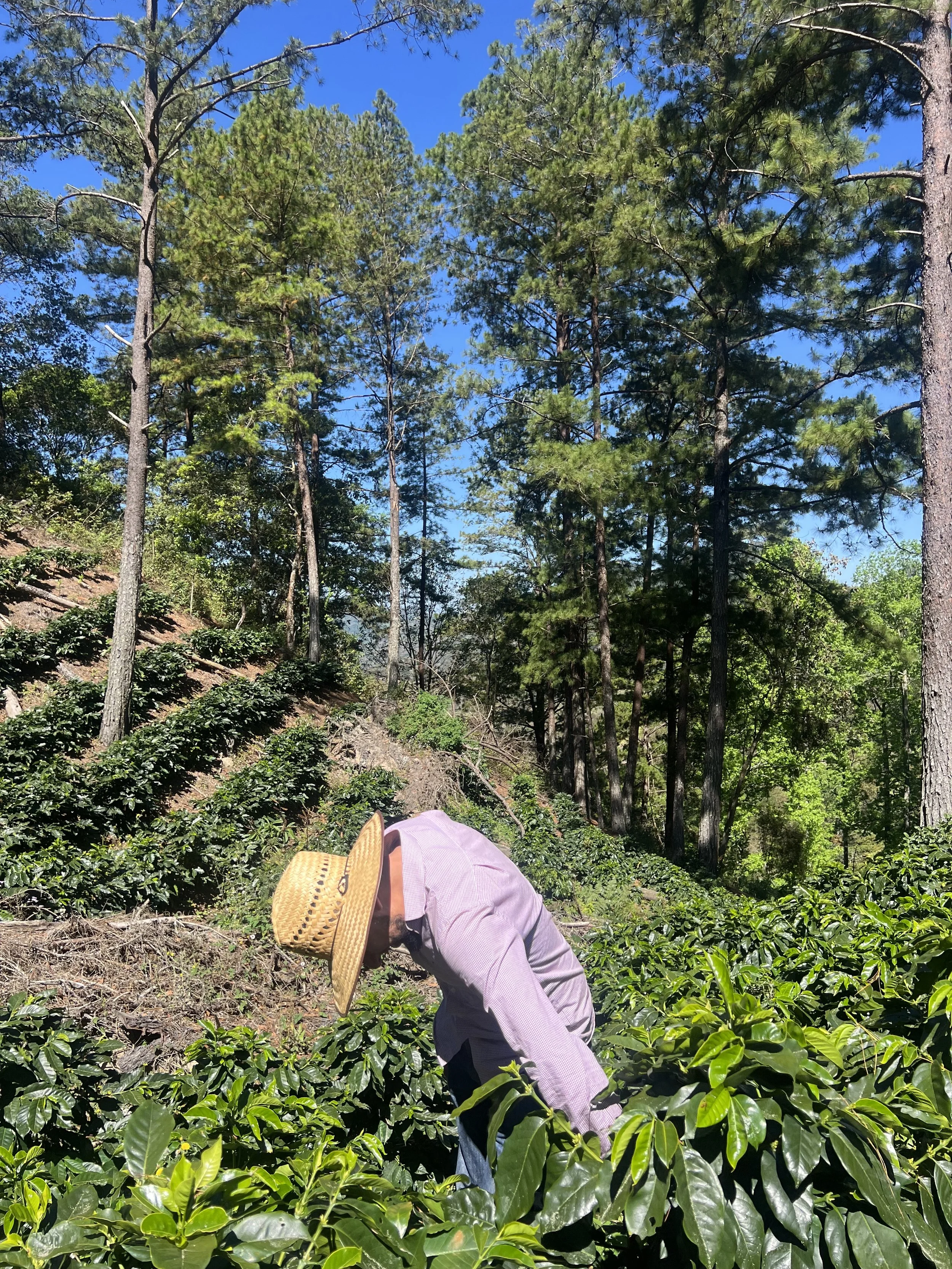
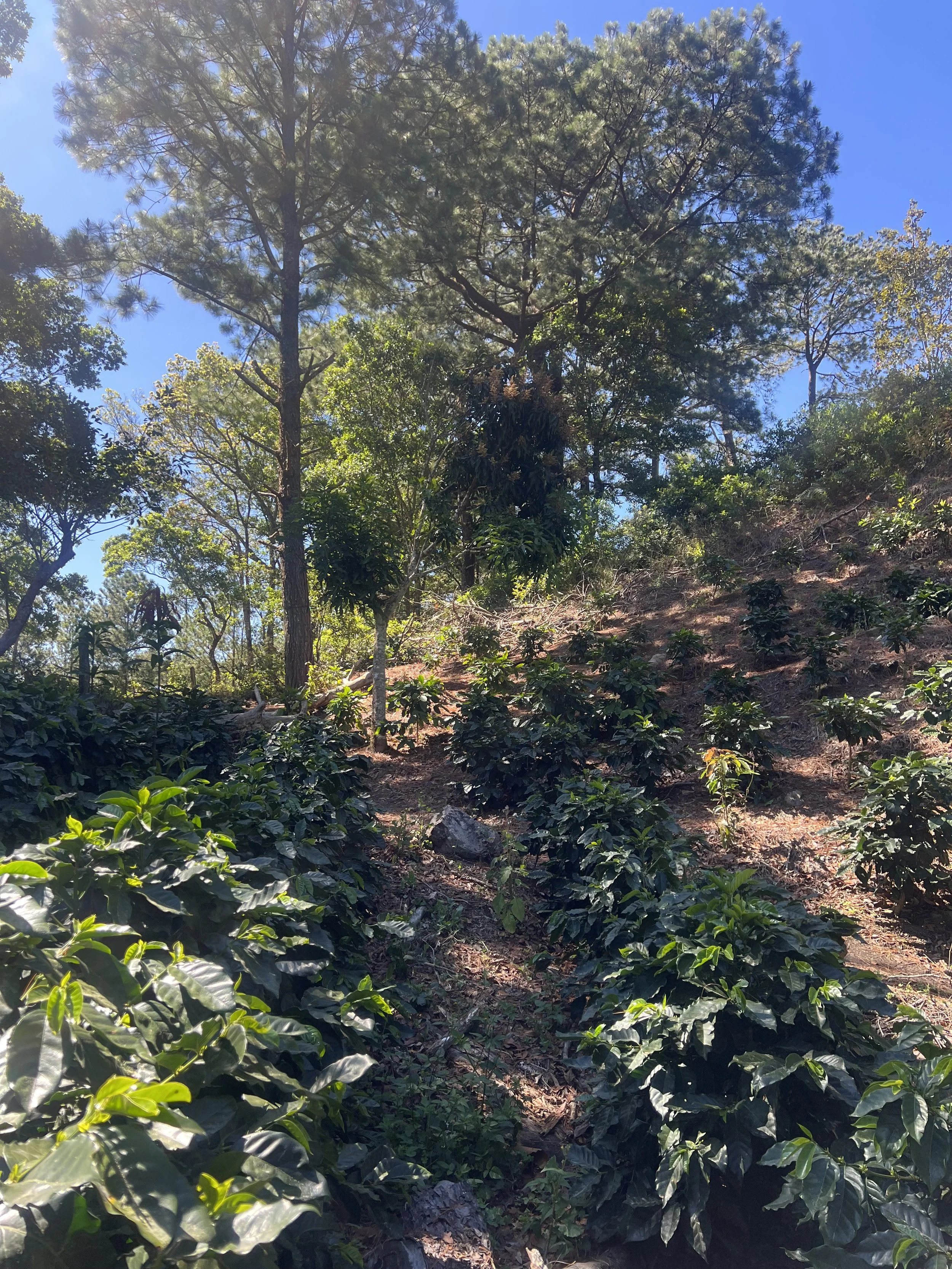
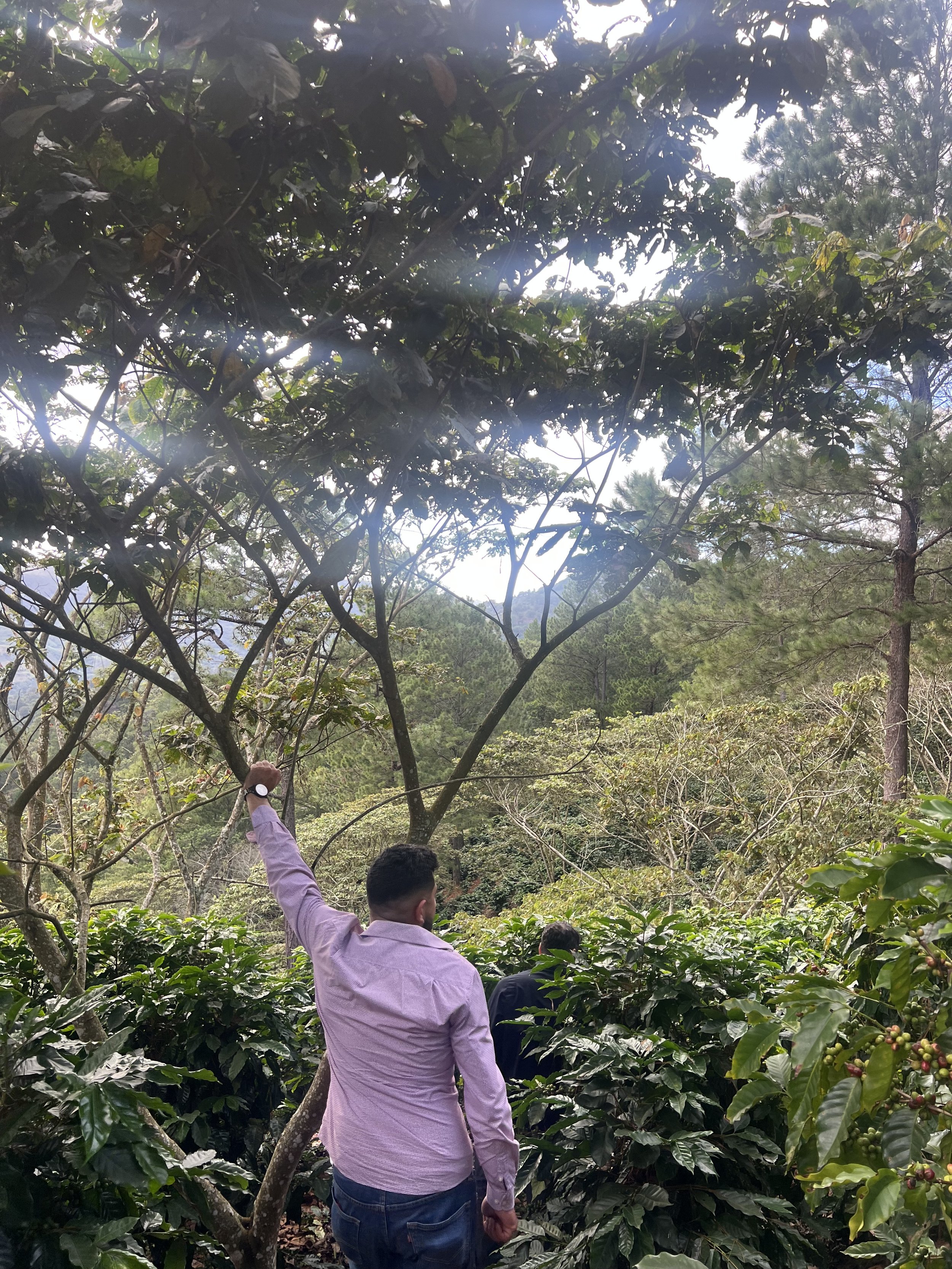
Coffee is grown under a dense and diverse shade canopy, composed of pine trees, guava, and native species. This type of environment remains uncommon in Nicaragua, where pine is often avoided due to the perception that it is difficult to manage and may acidify the soil.
Here, shade plays a key role. It protects the coffee trees from intense sun exposure at high altitude and contributes to a slower maturation of the cherries.
Farm management remains largely traditional. Weeding is mainly done manually with machetes, with occasional use of herbicides when labor is limited. Fertilization is applied two to three times per year, depending on the needs of the plants.
The ecosystem also evolves naturally, with certain species such as roble (oak) tending to spread rapidly and requiring management to maintain balance within the plots.
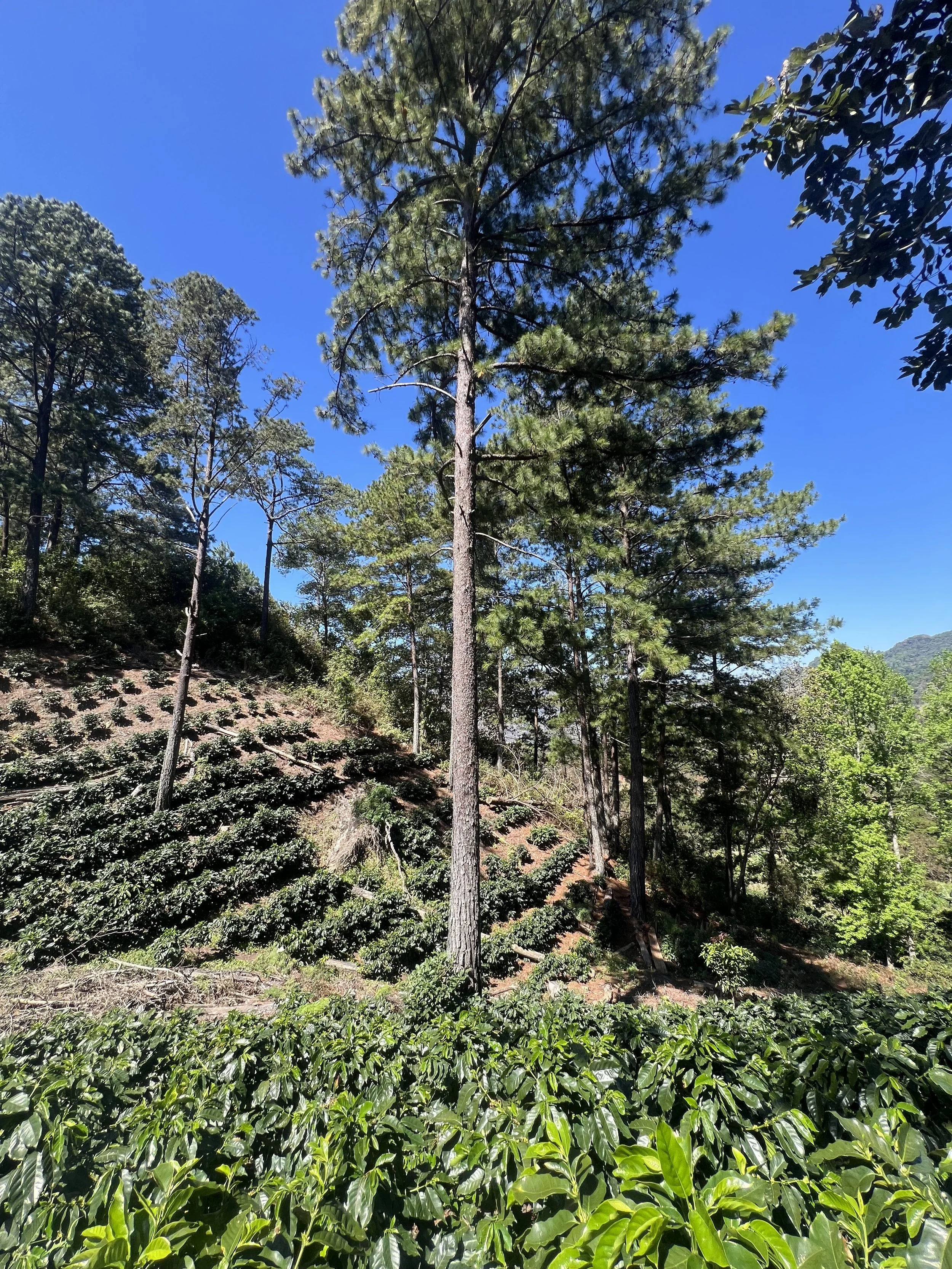
Coffee Production
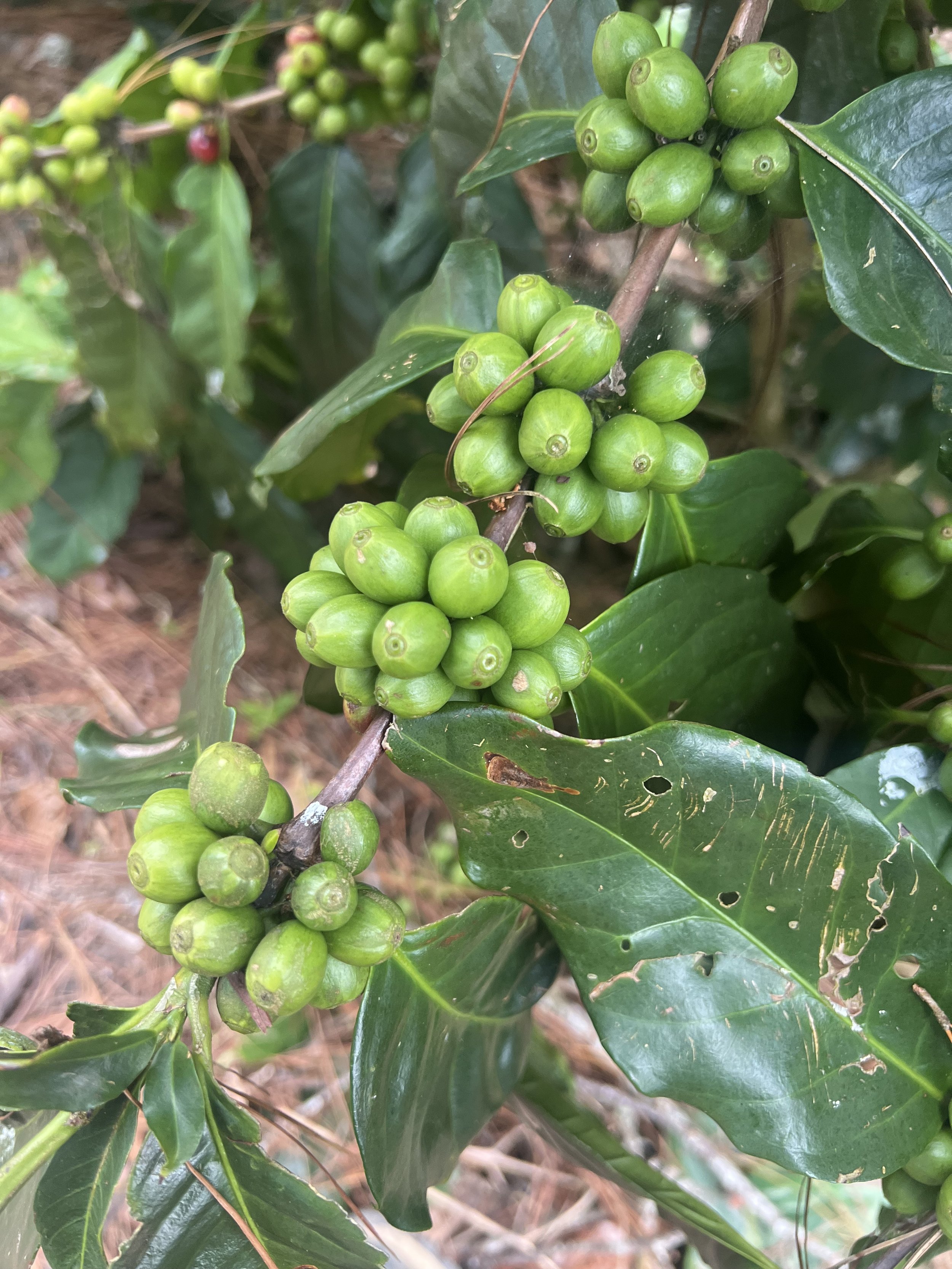
Coffee is gradually developing on the farm. Eliar has chosen to plant mainly Catimor, a variety well adapted to the local conditions.
Altitude and shade contribute to a slower cherry maturation, allowing for a more progressive development of flavors.
These conditions also support the overall health of the coffee trees, which evolve within a relatively balanced environment.
Working conditions remain challenging, particularly due to steep slopes and a strong reliance on labor during harvest. Production is still evolving, with volumes expected to increase in the coming years
Why is this coffee different?
This farm reflects an ongoing transition in the region, where coffee is becoming an alternative way to create value from the land.
With over 100 hectares of preserved forest, it stands out for its rare balance between agricultural production and conservation. Coffee grows here in an uncommon environment for Nicaragua, shaped by native pine trees that contribute to a unique ecosystem.
Coffee development follows a gradual path, moving toward specialty coffee production.
Supporting this coffee means supporting a shift — toward better practices, improved market access, and fairer recognition of Eliar’s work.
Relationship with treerich coffee
Eliar began working with TreeRich to explore new ways of marketing his coffee, with the goal of achieving prices above the commodity market, as well as greater economic stability to support long-term development.
Until recently, most of the production was sold on the local market, with limited control over pricing and little recognition of quality. Through this collaboration, the objective is to build more direct relationships with roasters, while improving post-harvest processes to better express the farm’s terroir.
Eliar also plays an active role in supporting the nearby La Garza farm, developed by TreeRich. With similar agronomic and climatic conditions, both farms benefit from shared experience and knowledge.