La reserva
El jaguar
The farm that inspired Treerich coffee
Farm overview
Country / Region : Nicaragua, Jinotega région
Producers: Duriaux Georges & Jean-Yves
Altitude : 1300 - 1400 m
Farm size : 50 hectares of coffee
Annual production : ≈ 60 000 kg
Varieties : Catuai, Java, Maracaturra, Geisha, H3, H16, H17.
Processing methods: Washed , anaerobic & lactic fermentation
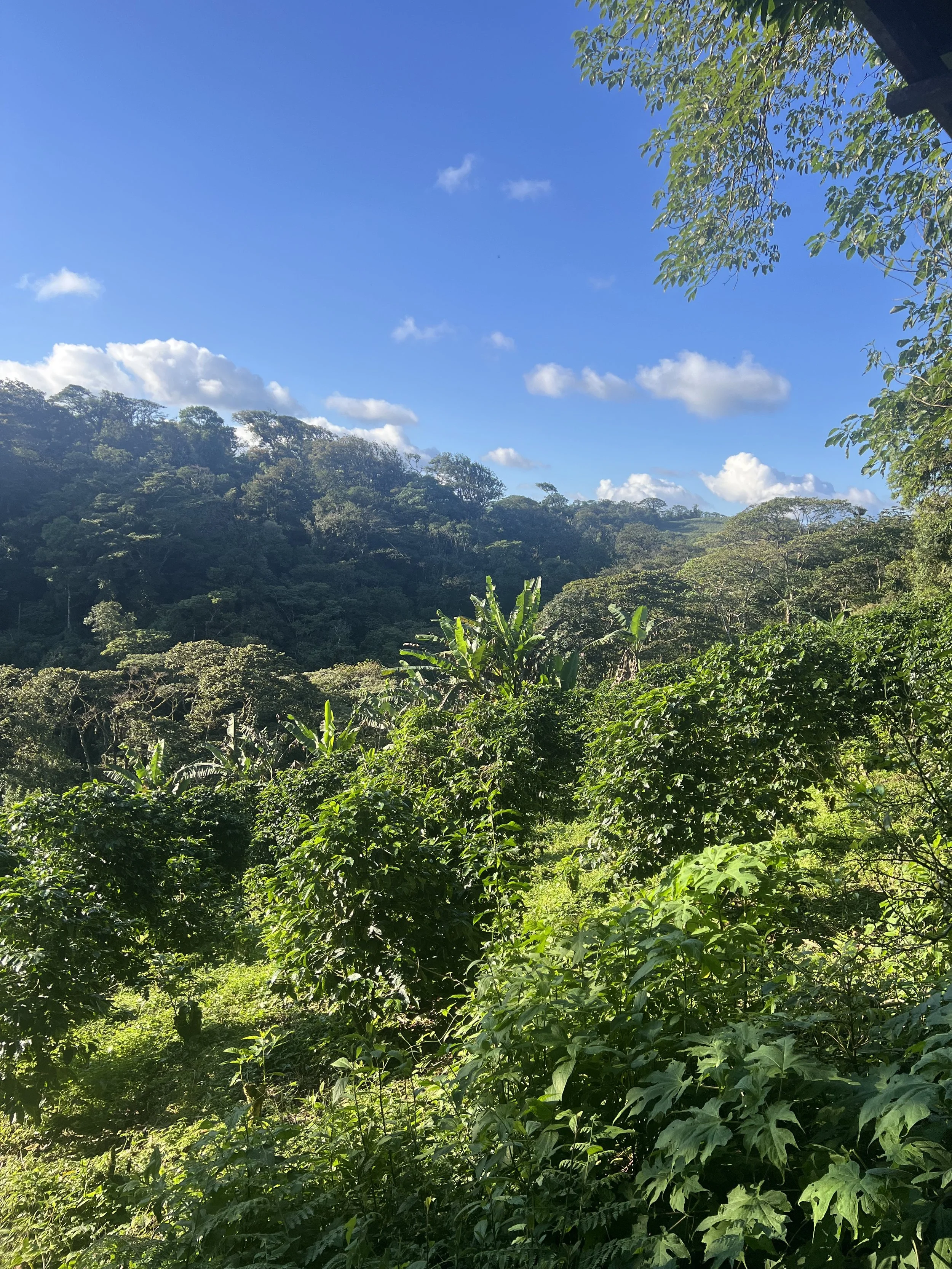
Farming model: Agroforestry
Certification: Rainforest alliance
A Founding Farm
La Reserva el Jaguar is not like any other partner farm.
It is the starting point of the Treerich project.
Before becoming a brand, Treerich was born on the ground:
in a family farm where forest protection, agroforestry, and specialty coffee production have always advanced together.
At la Reserva el Jaguar, this model has proven that it is possible to produce high-quality coffee while conserving — and even enhancing — natural ecosystems.
From this experience came the desire to go further:
to share this model with neighboring farms, support their agroforestry transition, and build a network of farms committed to the same vision.
Today, la Reserva el Jaguar remains the reference.
It provides the direction, the methodology, and the standard of excellence that define Treerich’s work with all its partner farms.
A Model Farm Rooted in Nature
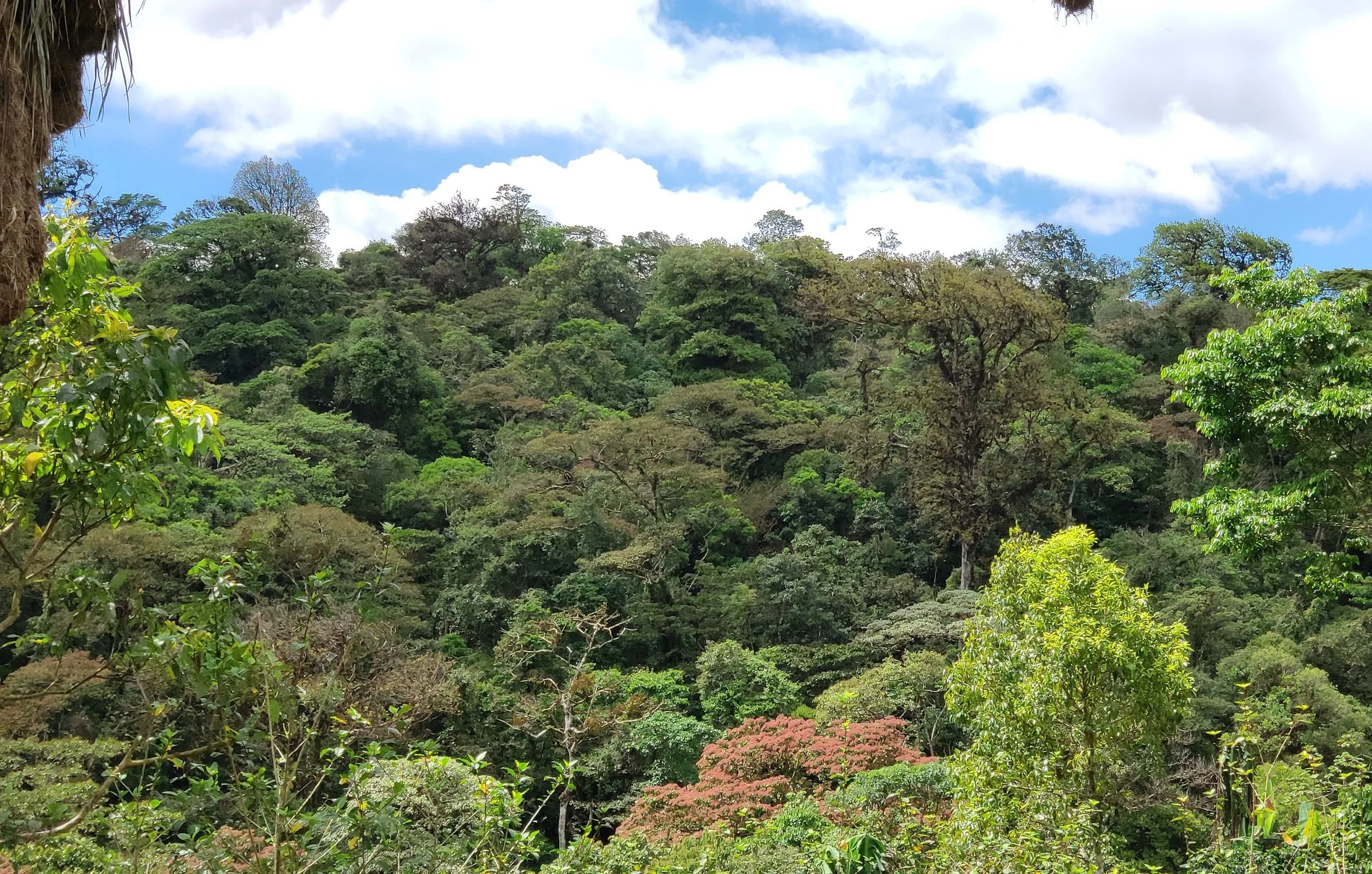
La Reserva el Jaguar cultivates approximately 50 hectares of Rainforest Alliance-certified specialty coffee, grown within an agroforestry system and surrounded by 110 hectares of protected cloud forest.
Here, the production of high-quality, sustainable coffee goes hand in hand with nature conservation.
Located at 1,300–1,400 m above sea level in the Isabelia mountain range, Jinotega, Nicaragua, El Jaguar is a family-owned farm led by Liliana Chavarría, Georges Duriaux, and their son Jean-Yves.
Together, they have built a model that combines coffee excellence with a deep commitment to environmental protection and long-term biodiversity research, particularly in ornithology.
Farm area distribution (%)
Coffee cultivation & process
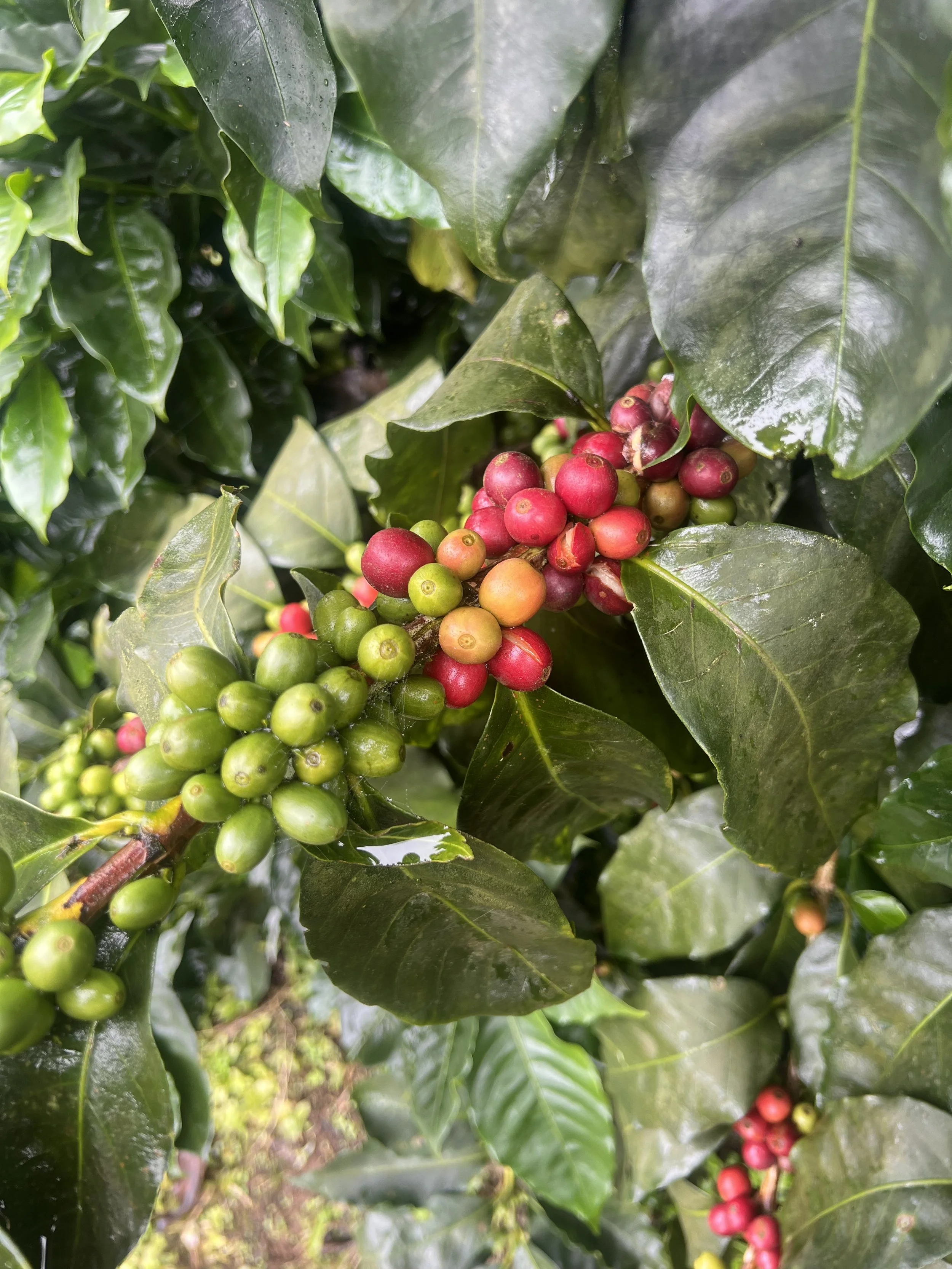
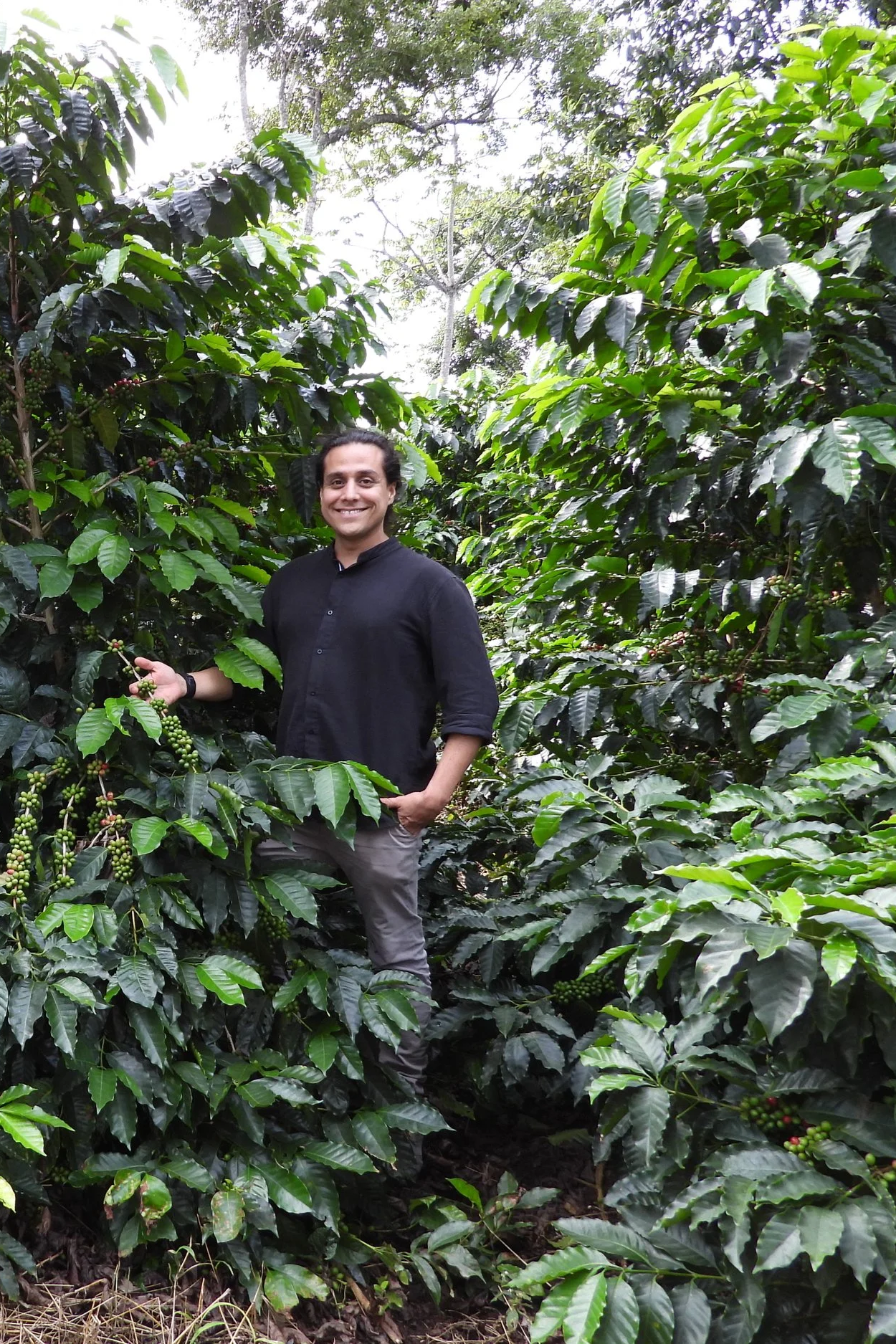
Coffee is carefully processed from harvest to post-harvest:
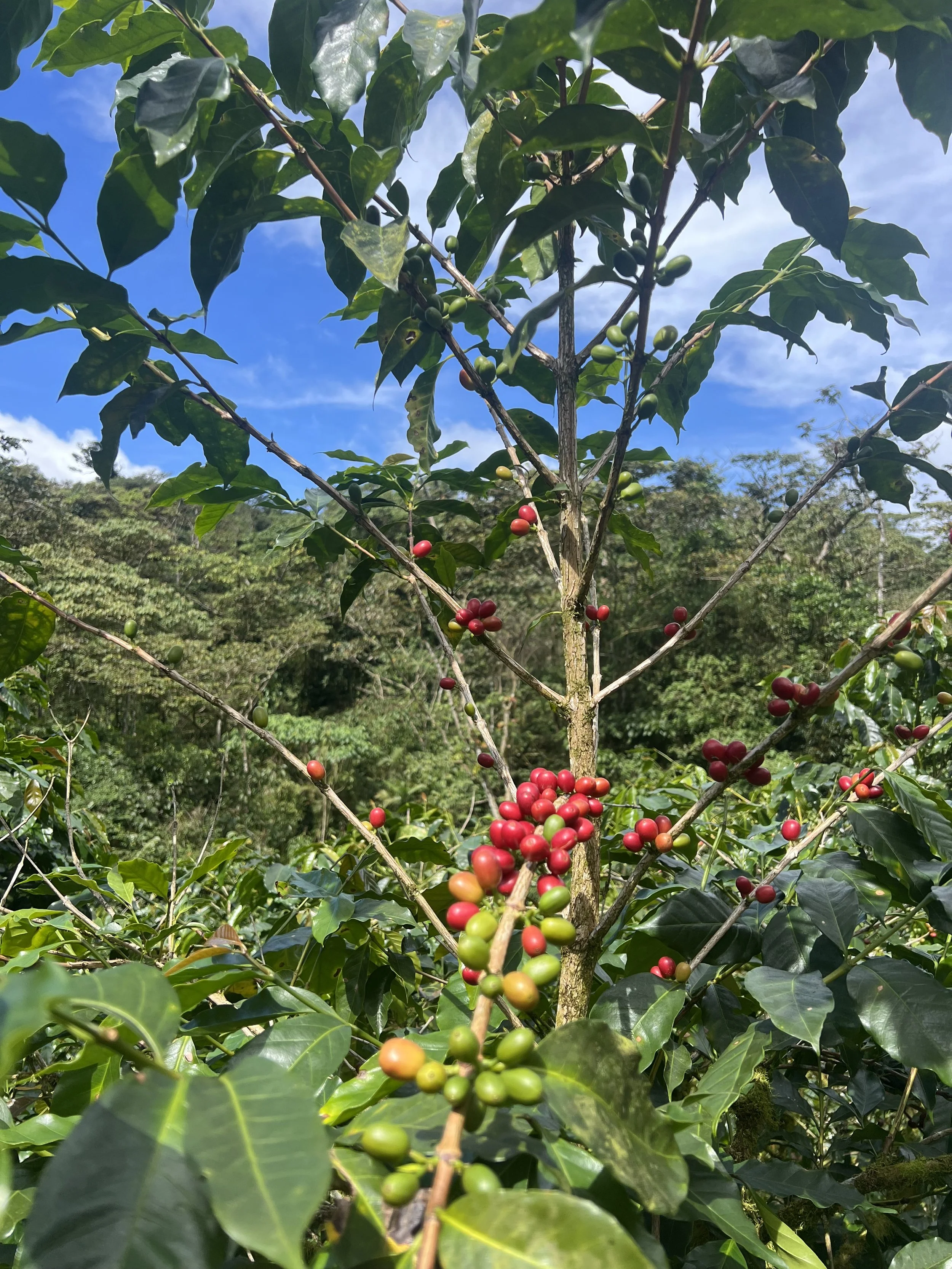
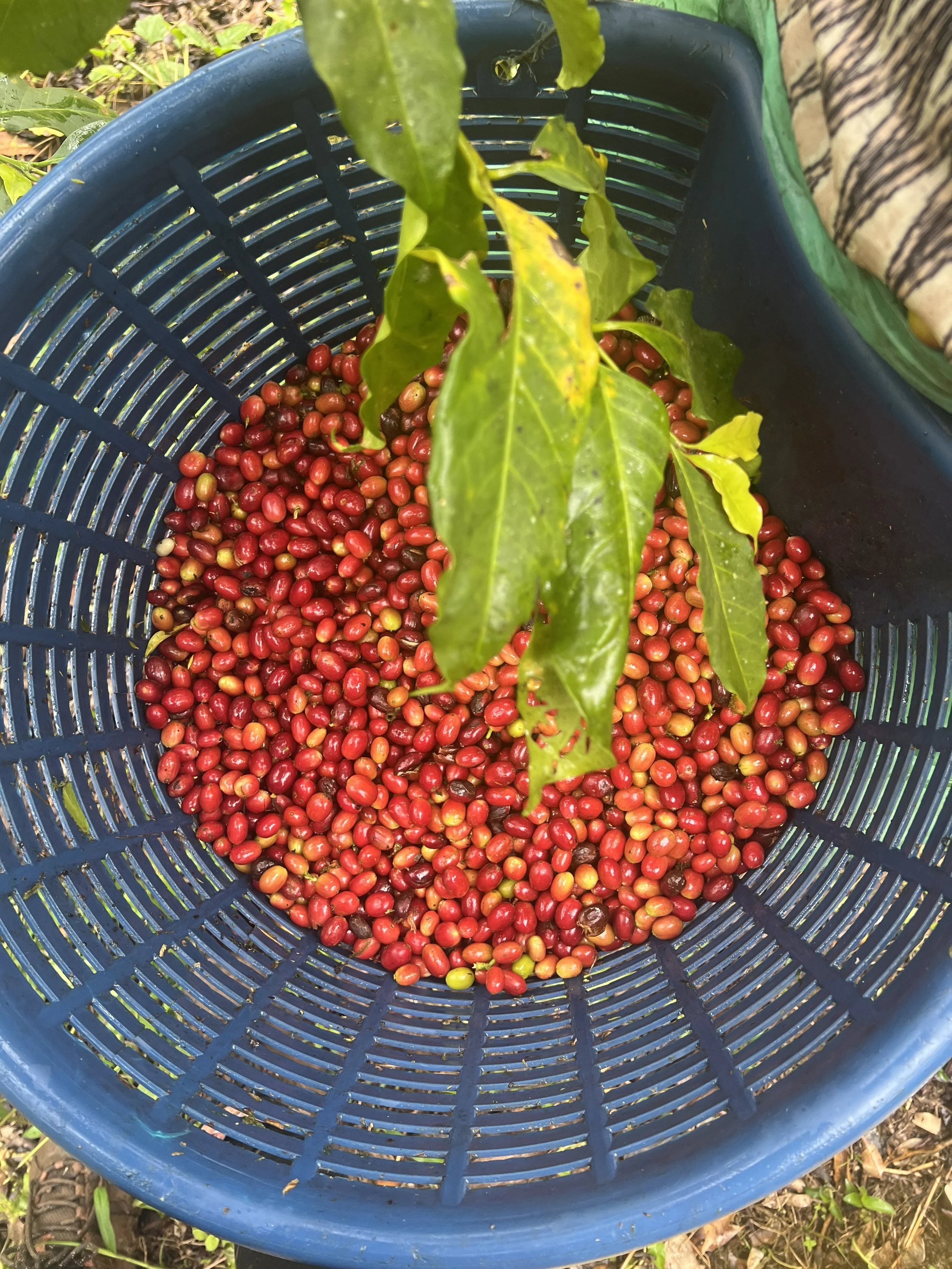
Microlots and hand-picked cherries, harvested from November to March
Multiple post-harvest processes: washed, natural, and fermented, including anaerobic fermentation, producing exceptional micro-lots
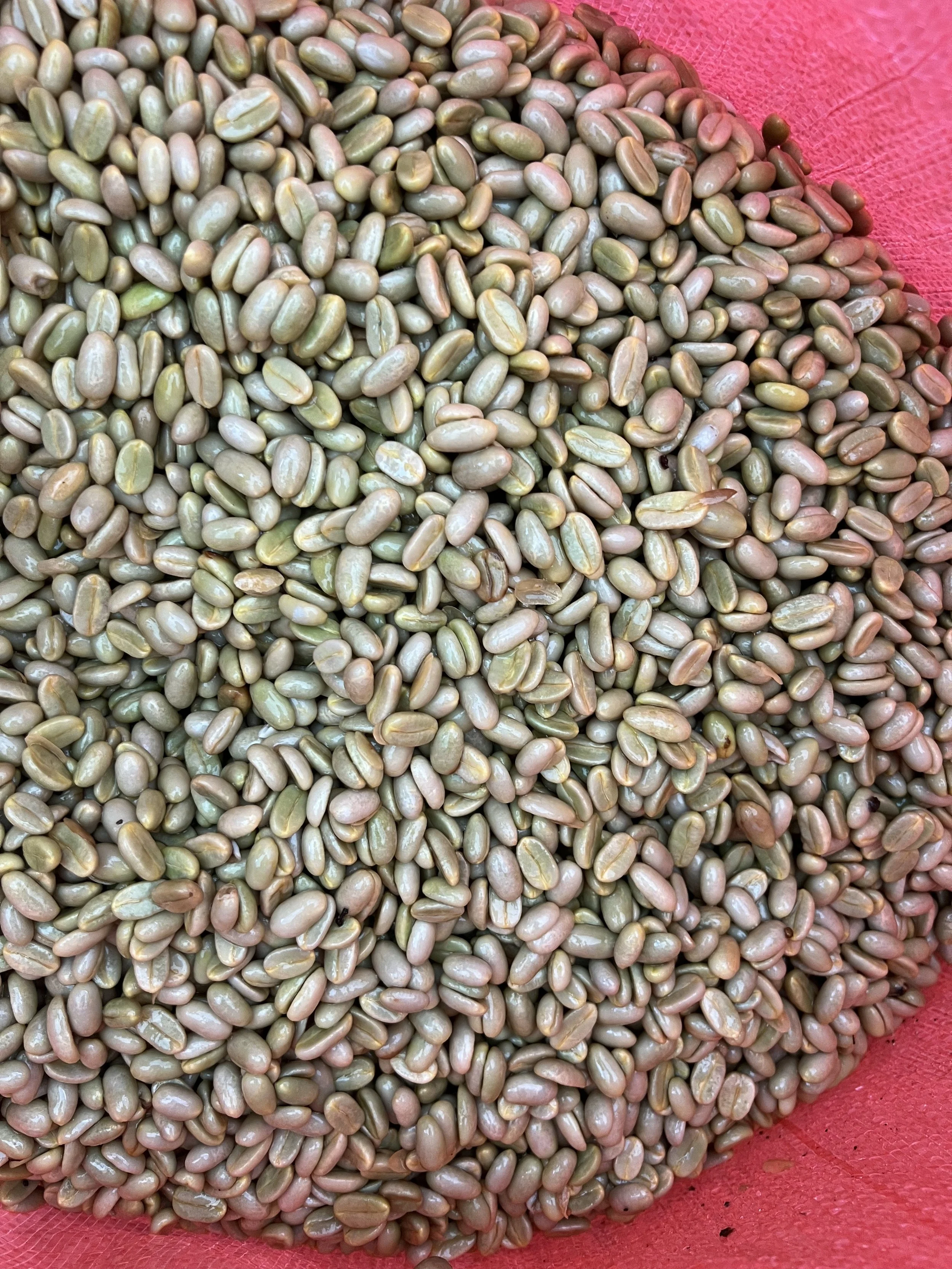
Under the guidance of Jean-Yves, specialist in regenerative agriculture, coffee at El Jaguar is cultivated in harmony with natural cycles to optimize plant health and quality.
The farm grows several varieties, including Red and Yellow Catuaí, Java, Pacamara Hybrid H3, H8 Casiopea, H17 Pakal, Maracaturra, and Ethiosar.
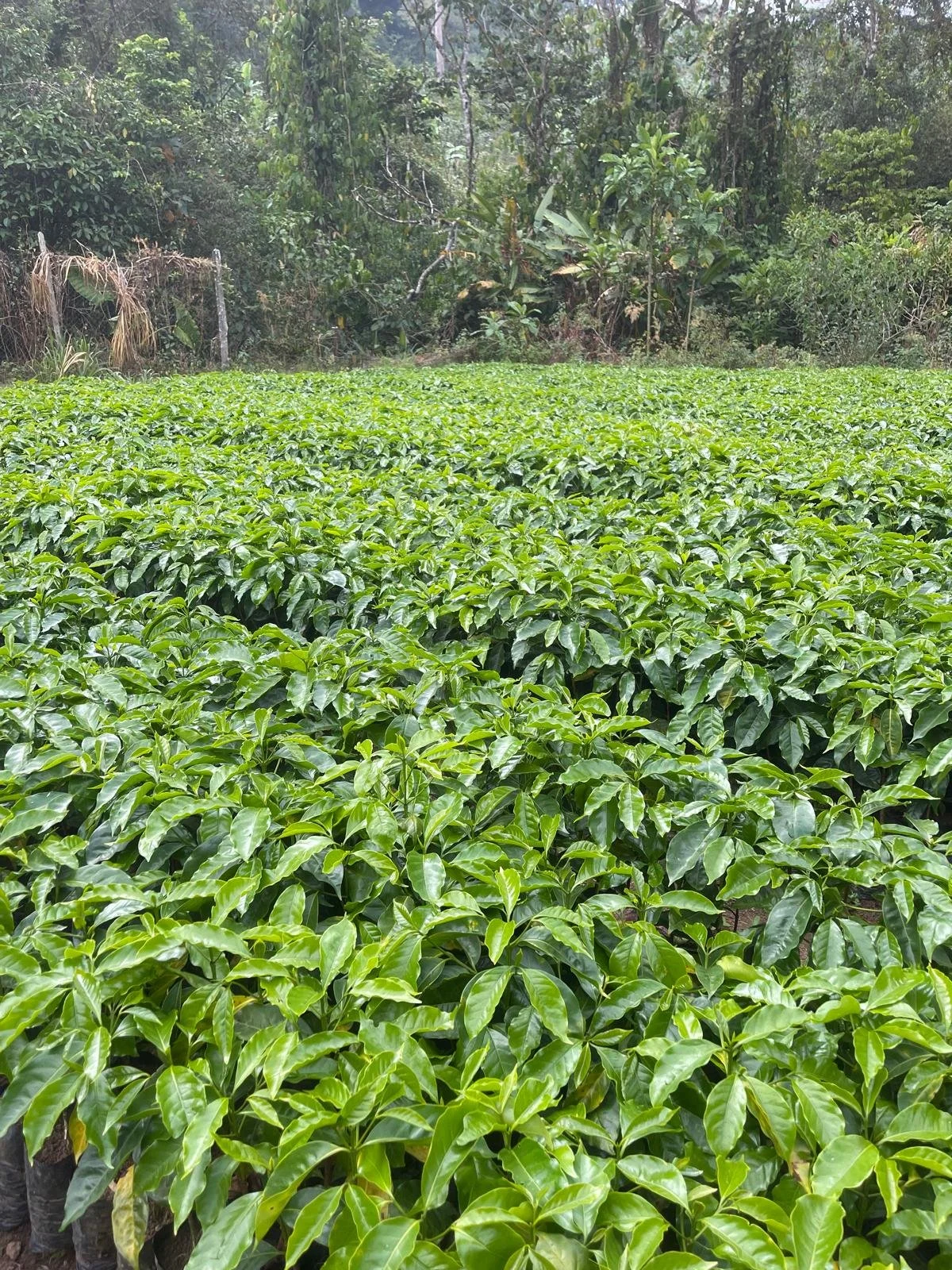
On-site nursery
Producing our own coffee plants to ensure optimal cultivation and long-term resilience.
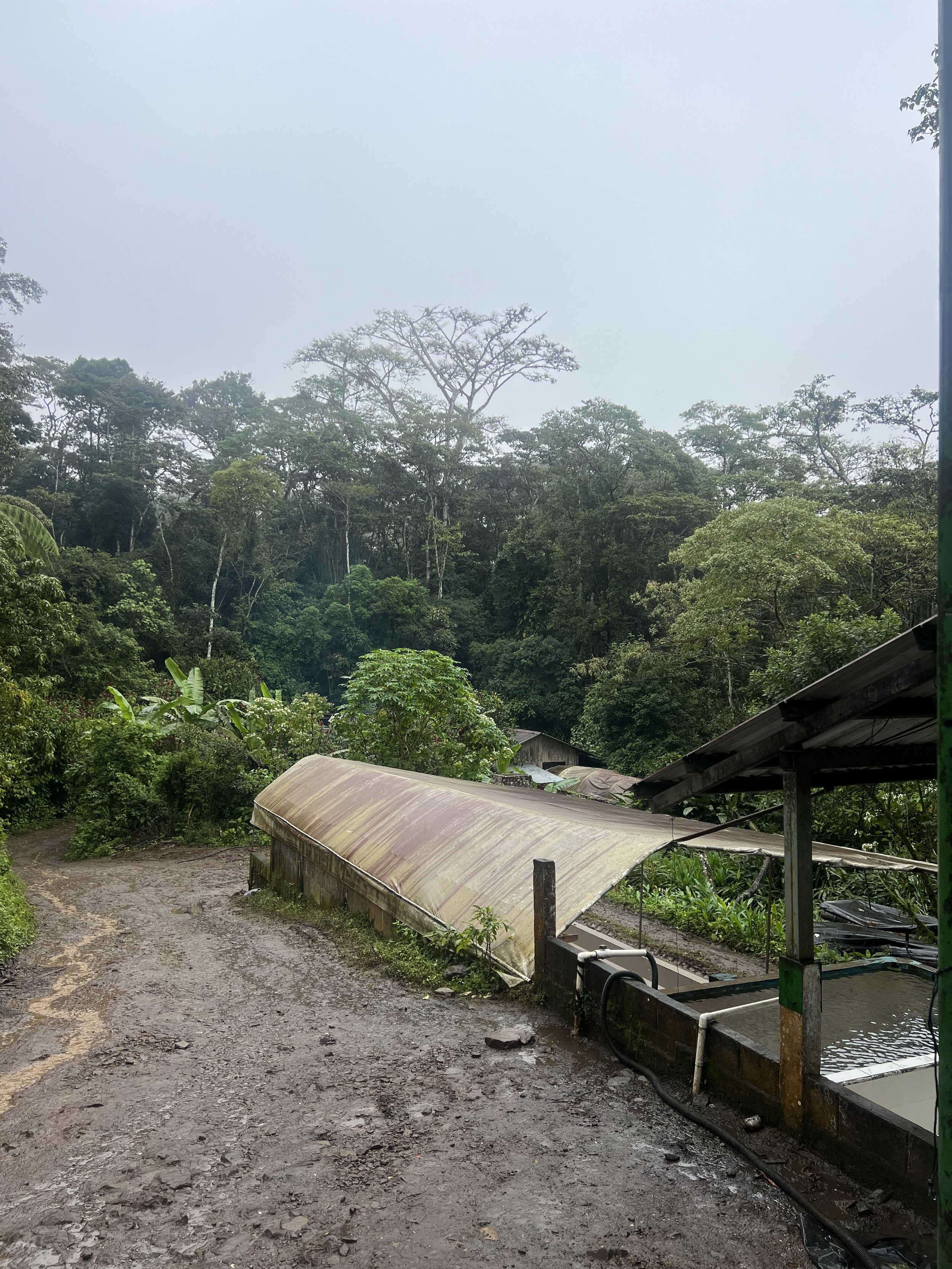
Wet mill on site
Ensuring cherries are pulped and washed immediately after harvest, preserving freshness and quality.
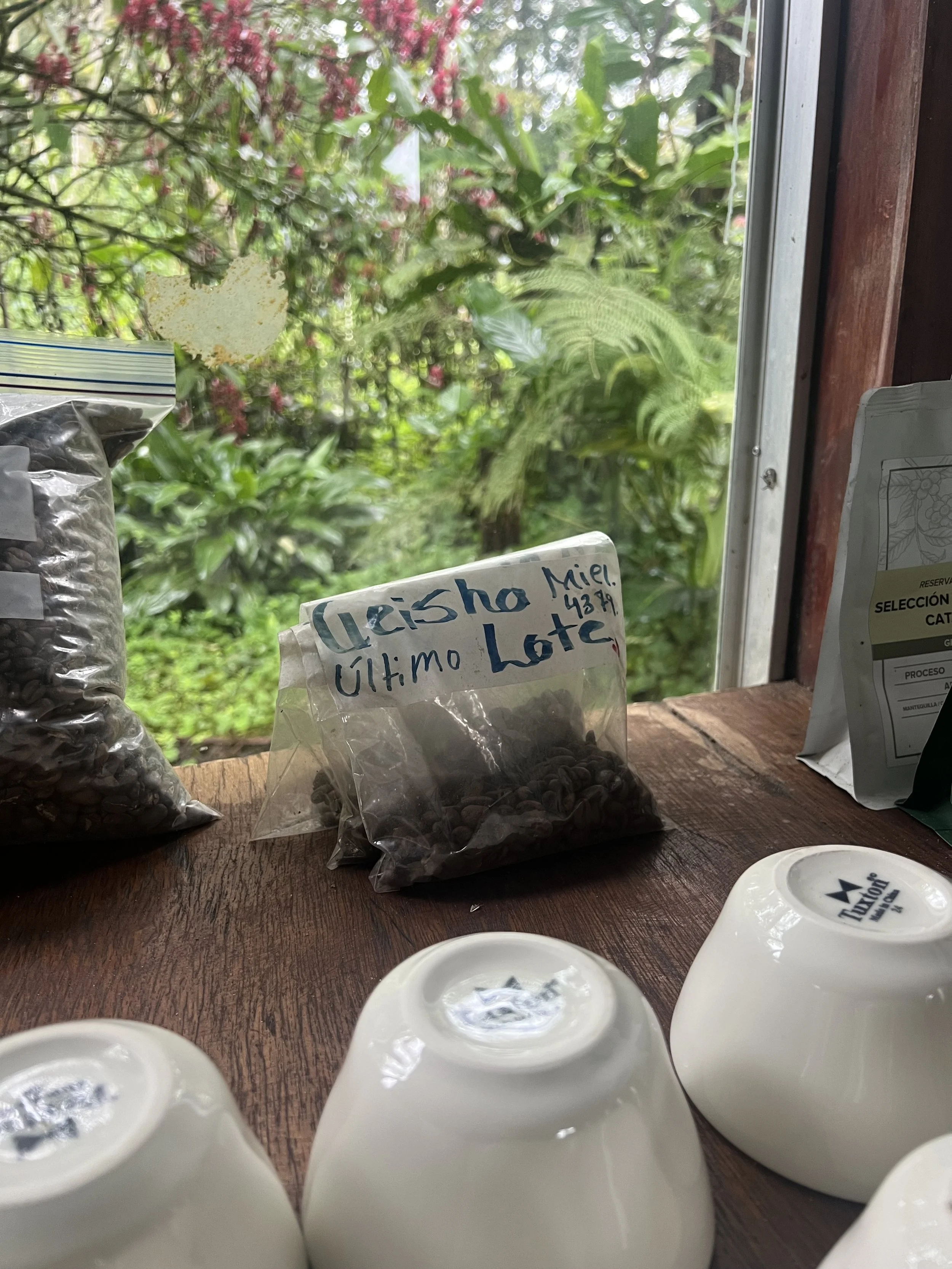
Coffee lab on site
Dedicated to cupping, evaluation, and quality control of every lot.
The people behind the coffee
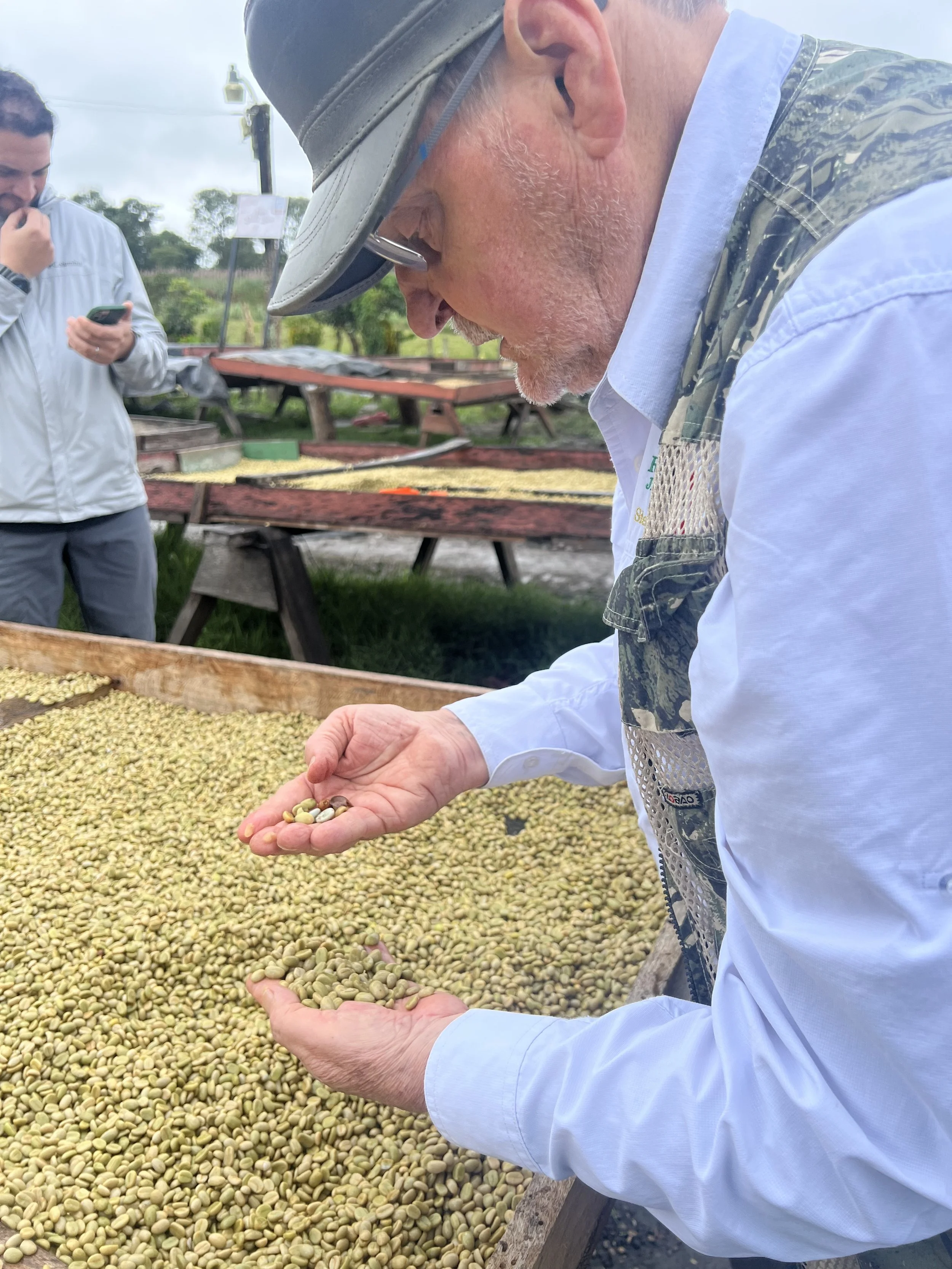
Georges checking the green coffee during drying
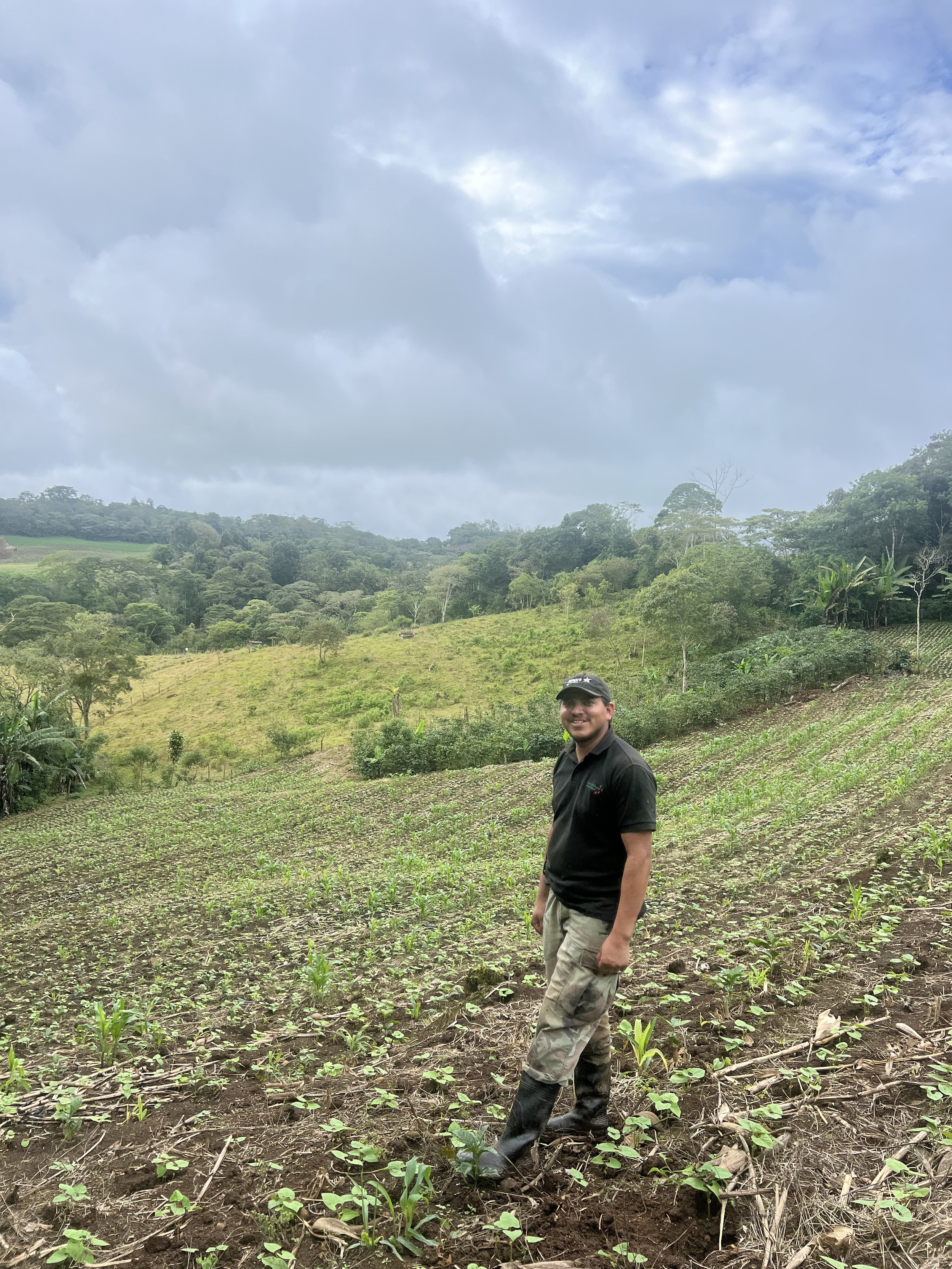
Welmer checking on the newly planted coffee seedlings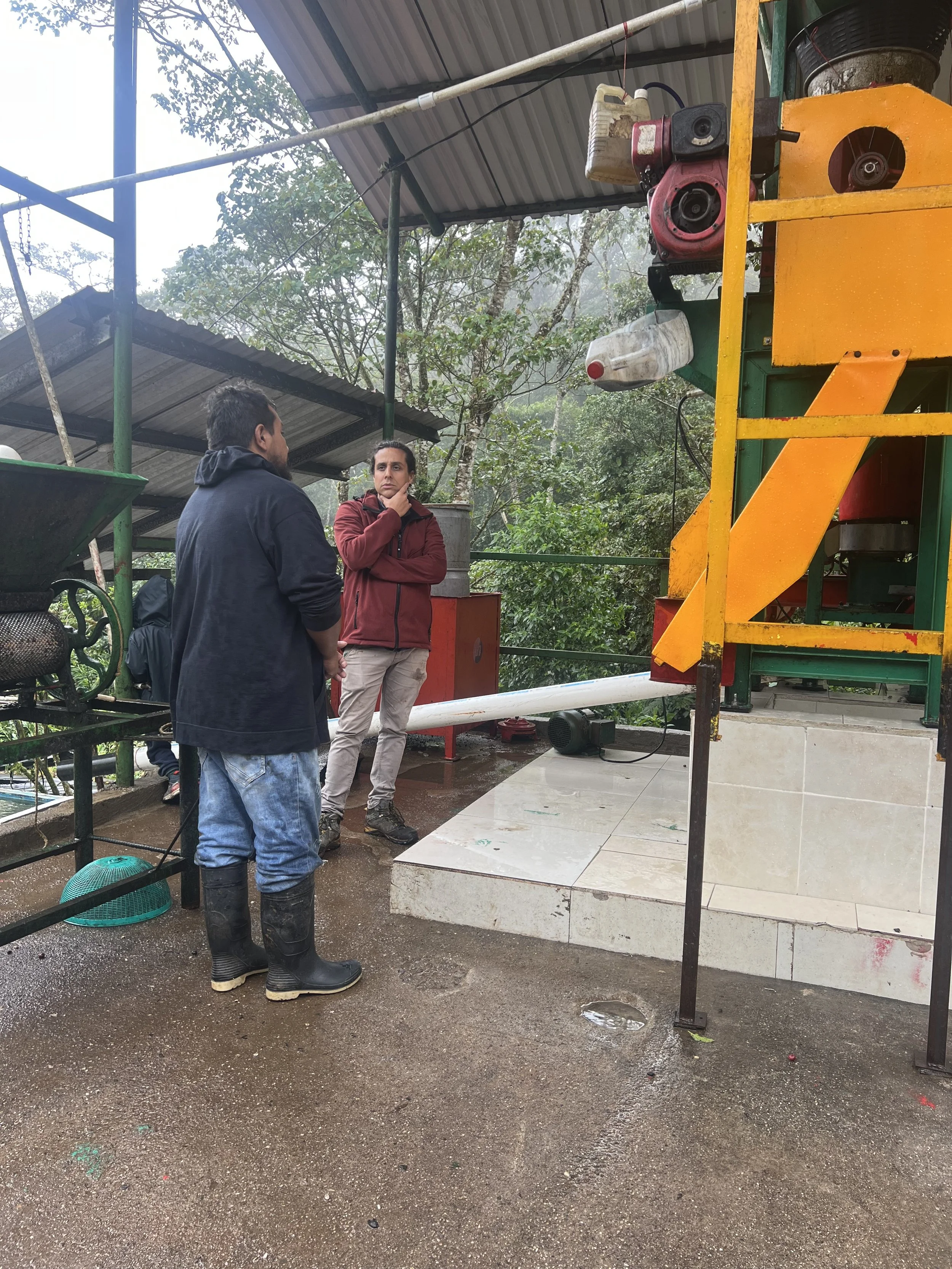
Jean-Yves and Jhonny organizing the day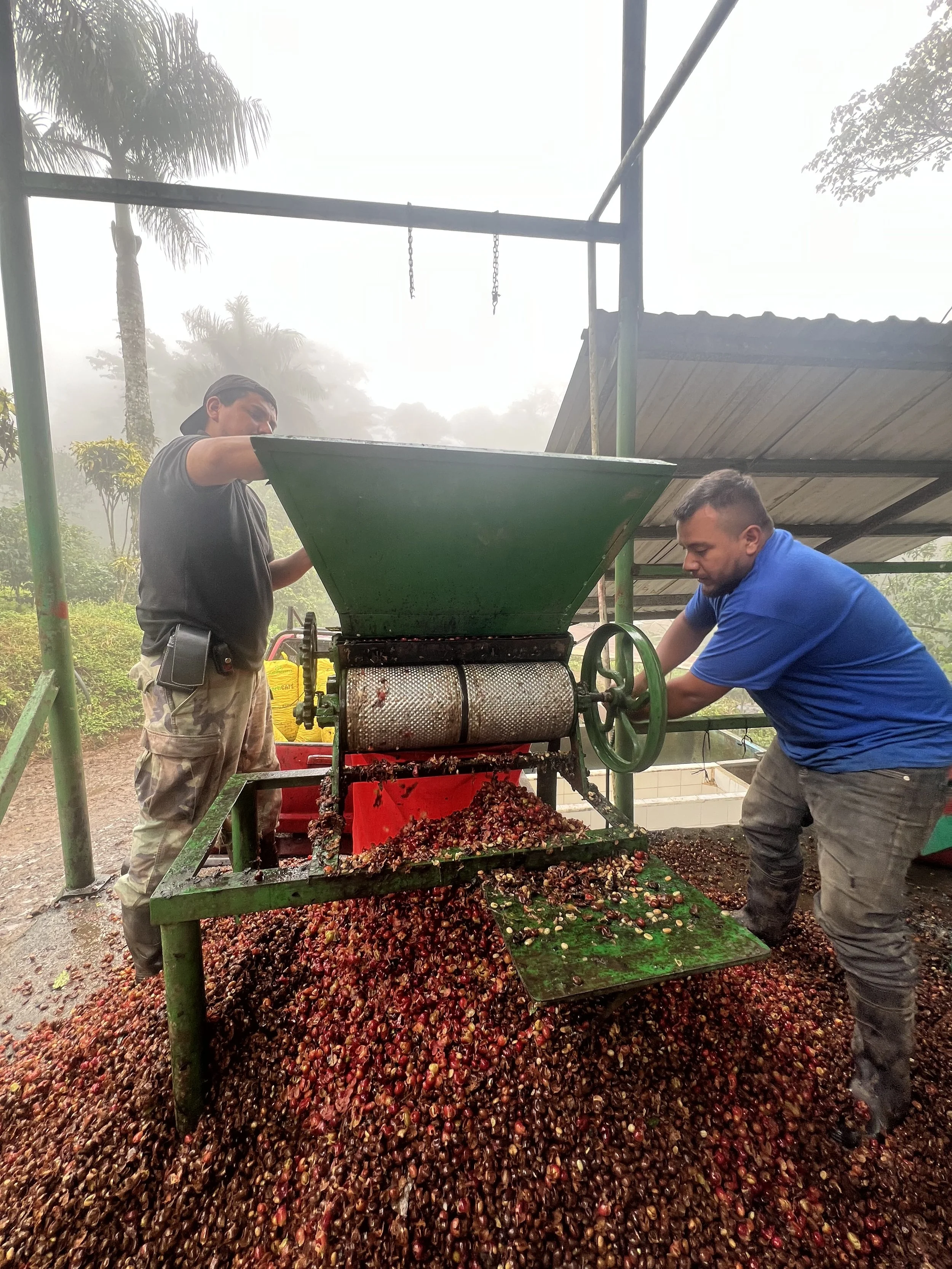
Welmer and Jhonny during coffee cherry depulping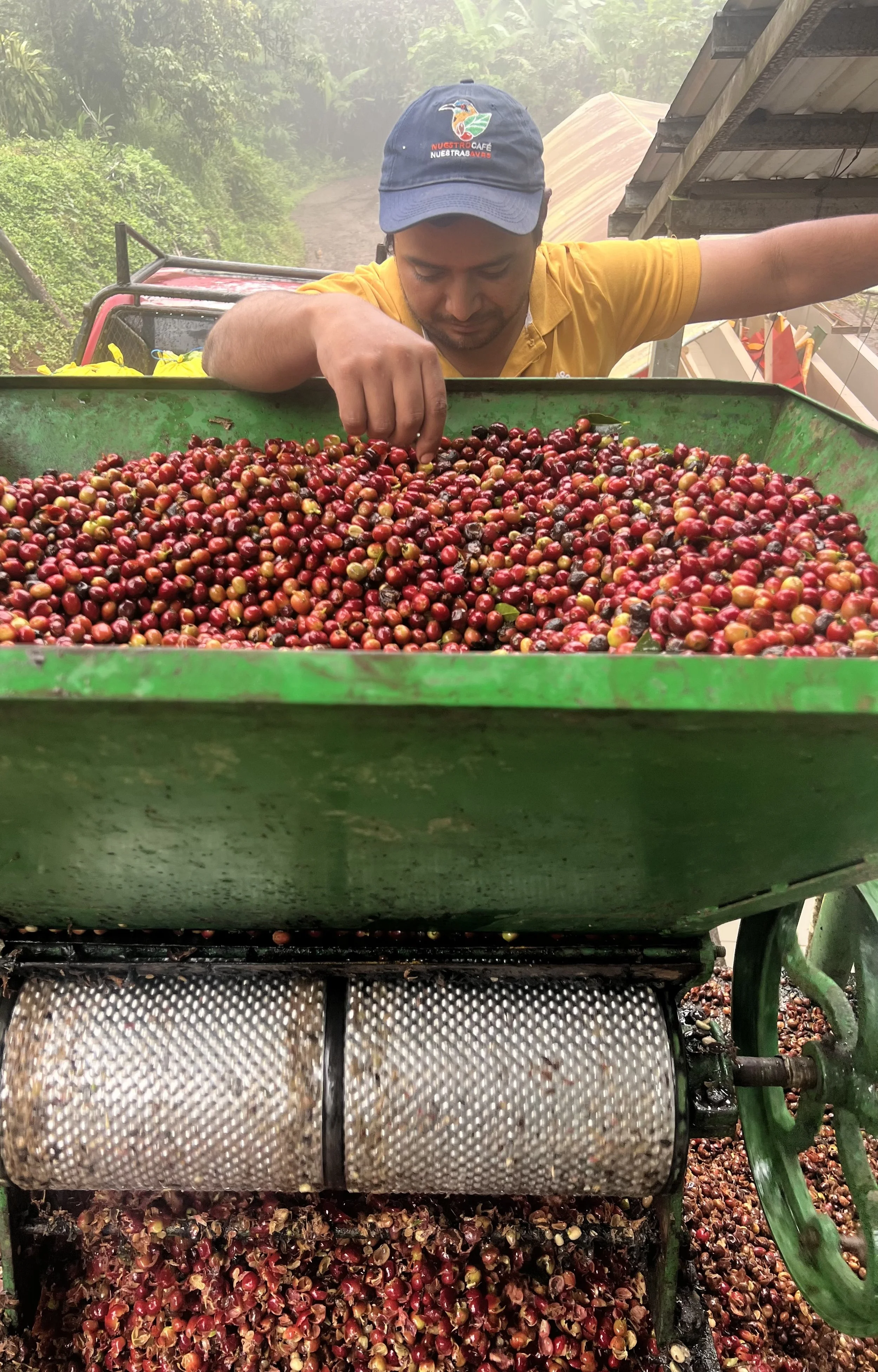
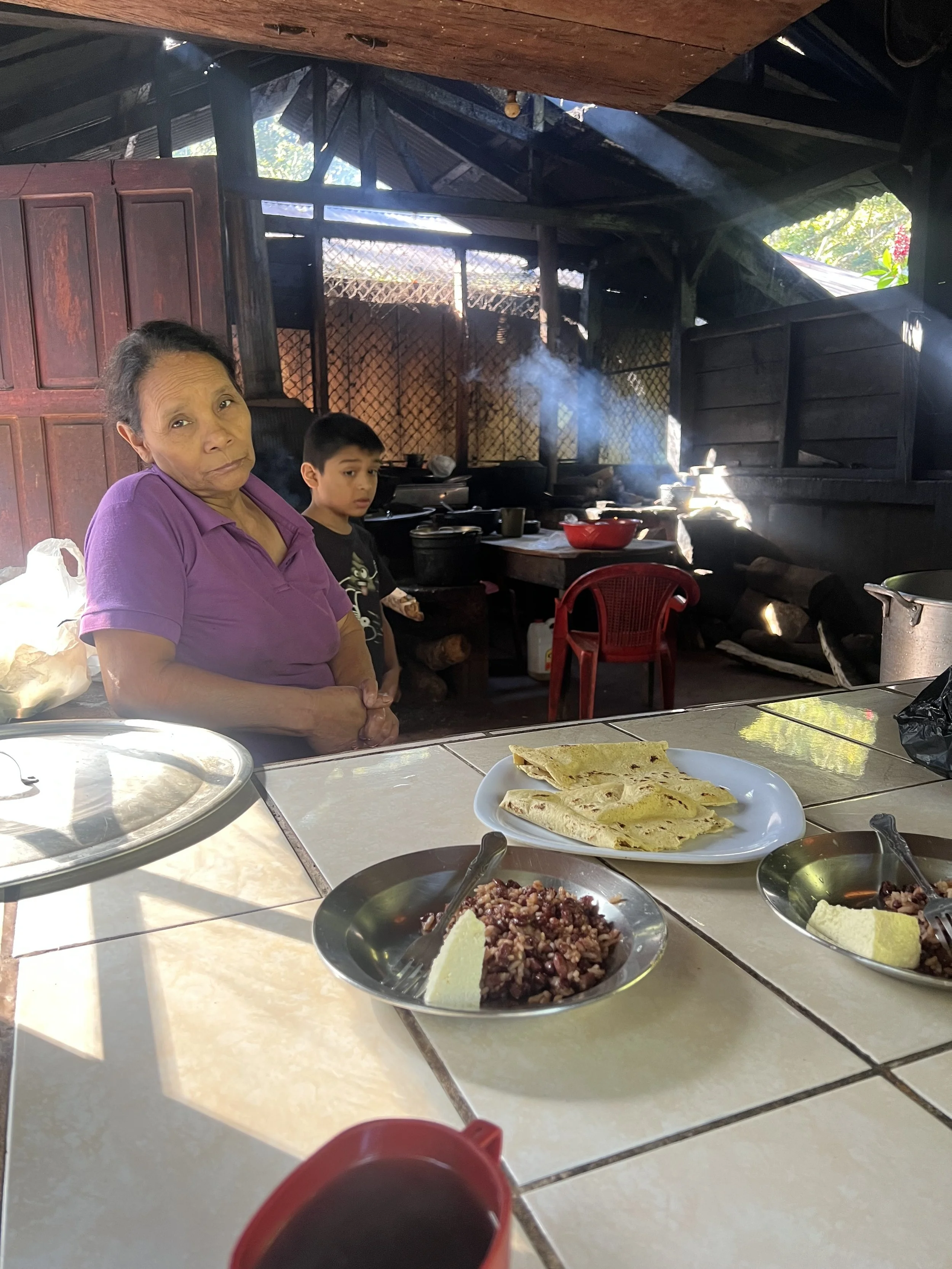
The farm kitchen, feeding the El Jaguar team
Oscar at work by the coffee depulping station
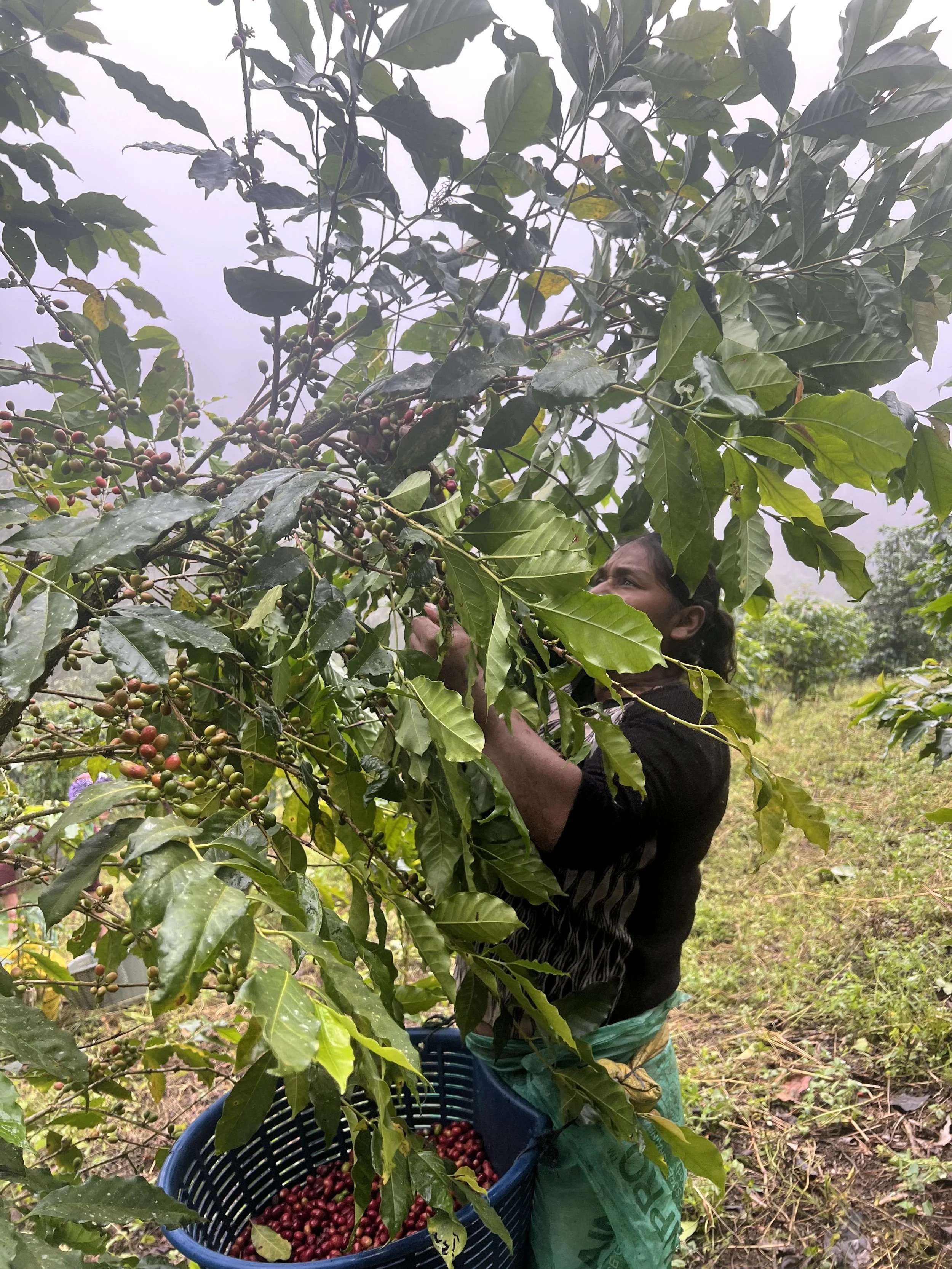
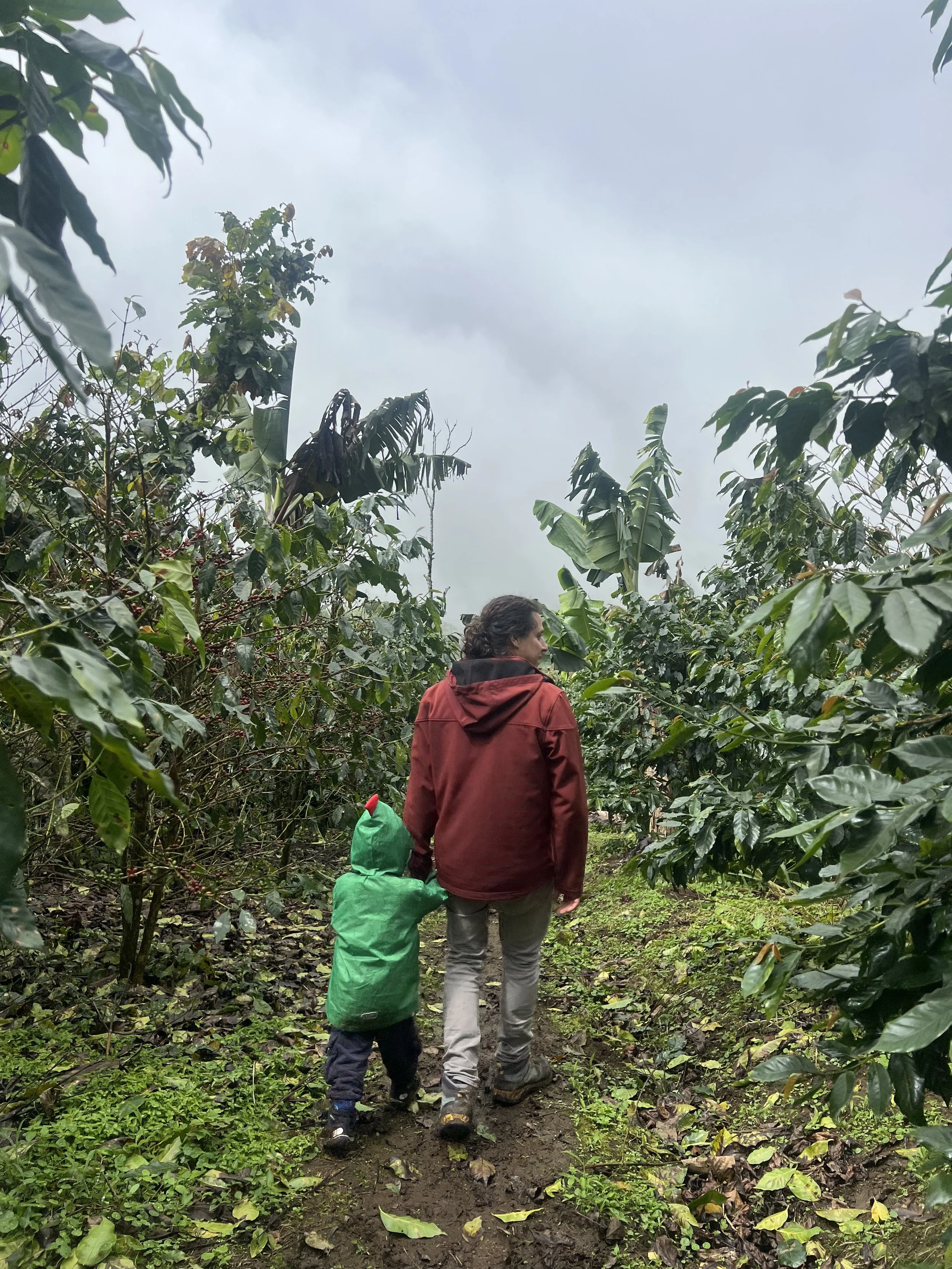
Family visiting the coffee treesWomen harvesting coffee cherries
Conservation & Biodiversity
El Jaguar is more than a coffee farm.
It is a true biodiversity hotspot, recognized nationally and internationally.
For years, the reserve has attracted ornithologists and biologists studying its unique ecosystems, as well as tourists passionate about birdwatching.
383 of Nicaragua’s bird species can be found at El Jaguar, including many rare and endemic species, making the farm a nationally recognized Important Bird Area.
The protected cloud forest, covering 110 hectares, plays a crucial role in regulating the microclimate, soil health, and water cycles, while providing a safe habitat for local wildlife.
Every hectare of conserved forest helps maintain the region’s ecological balance and ensures that coffee production remains sustainable and in harmony with nature.
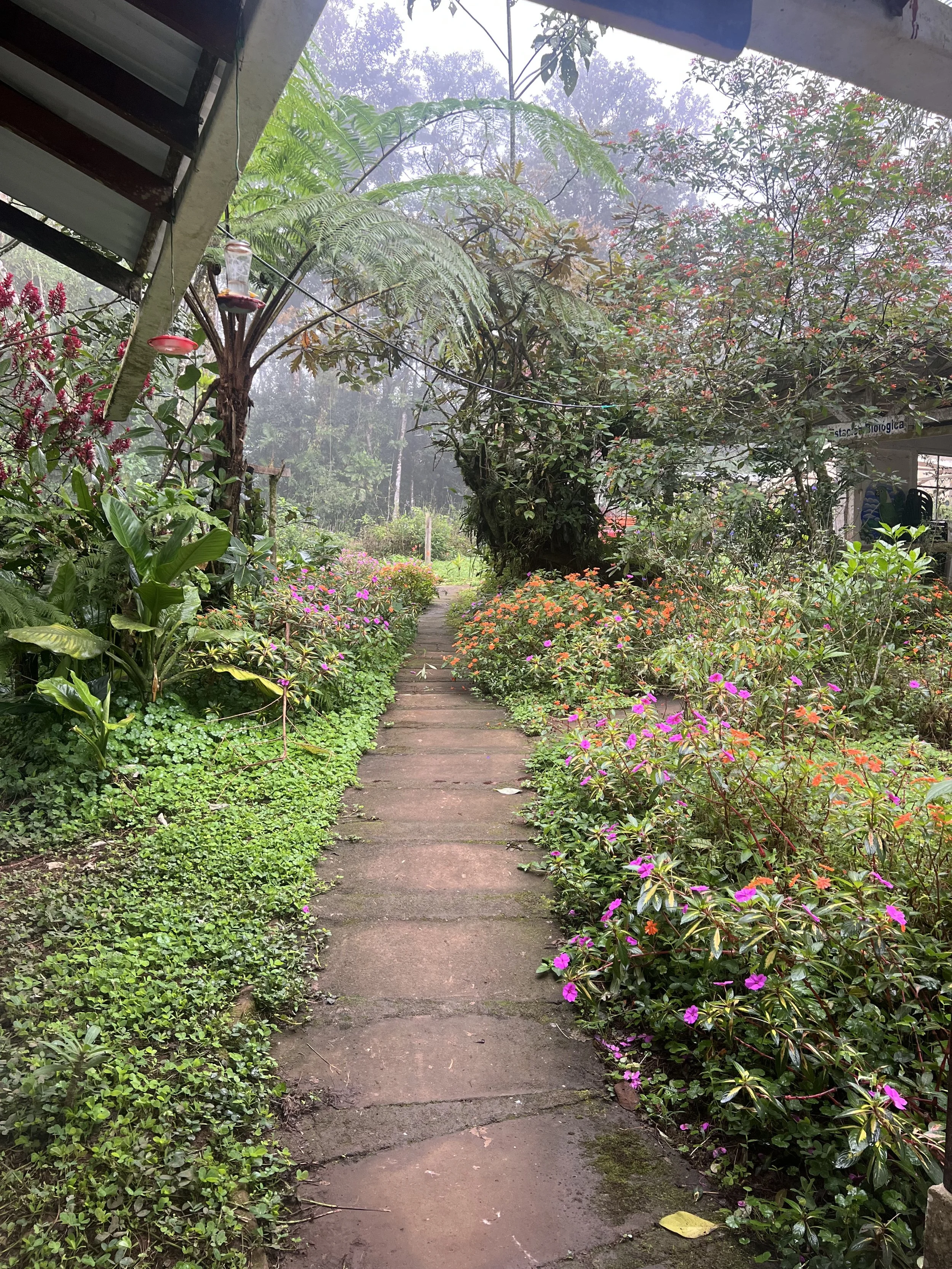
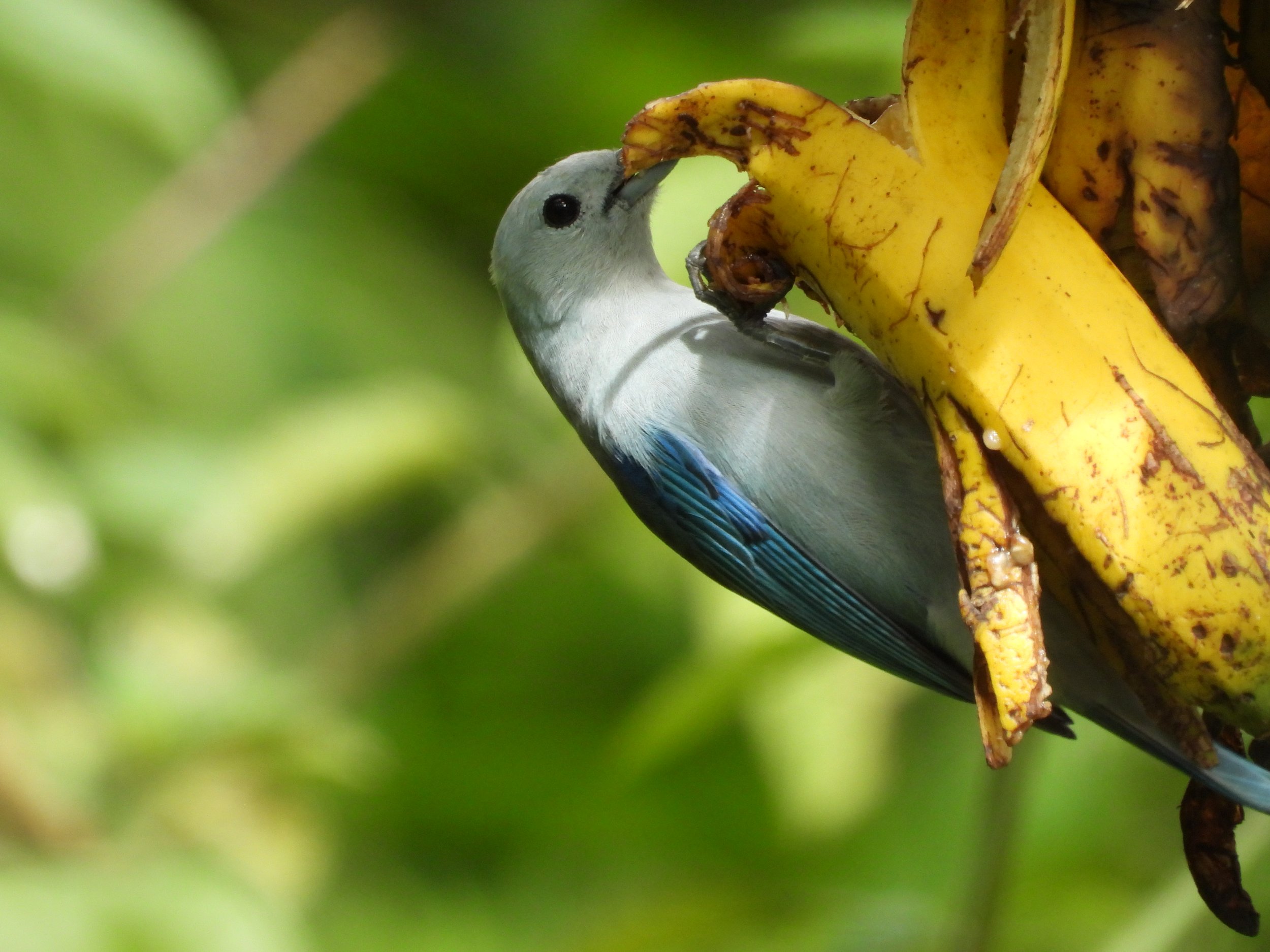
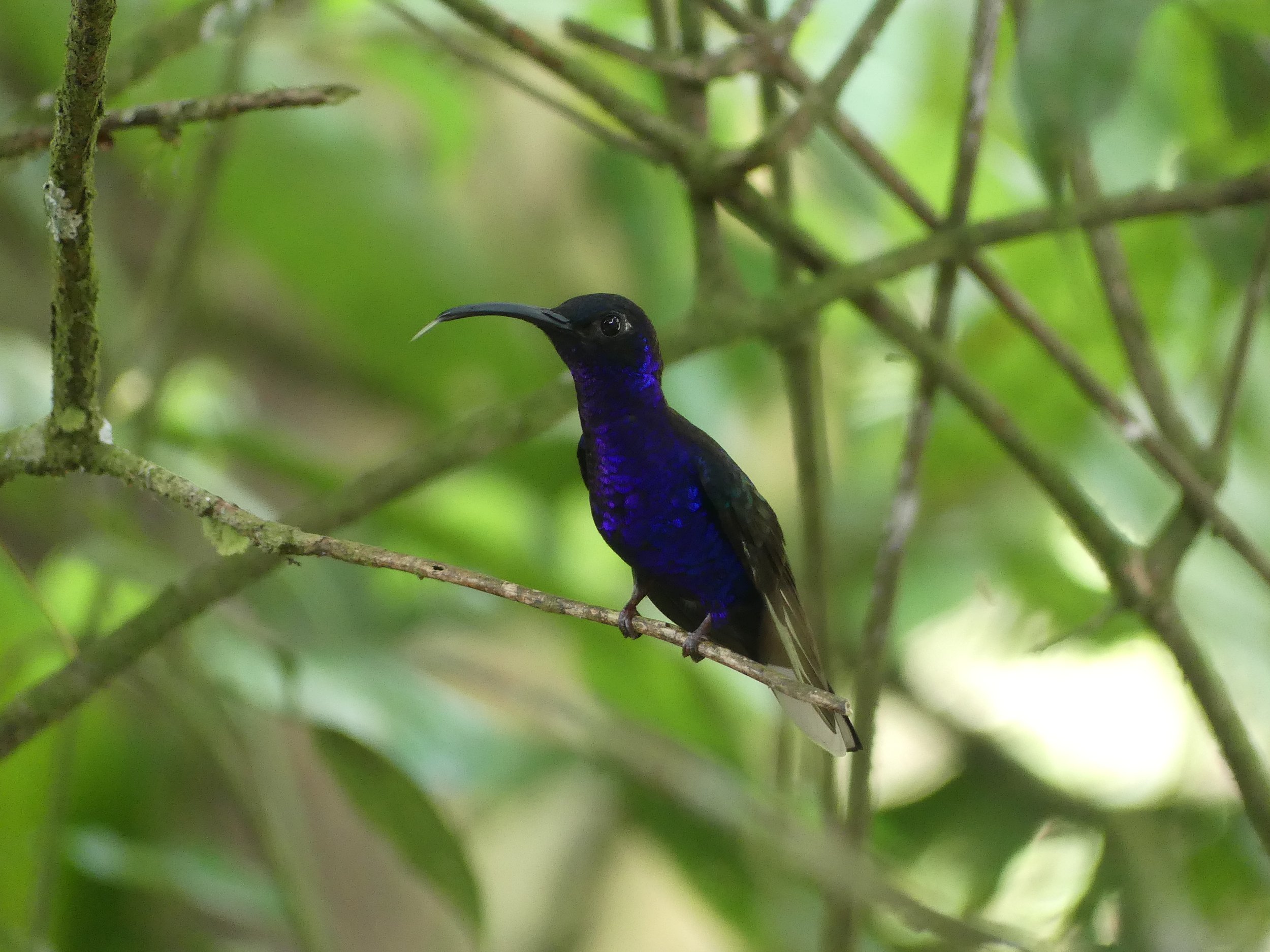
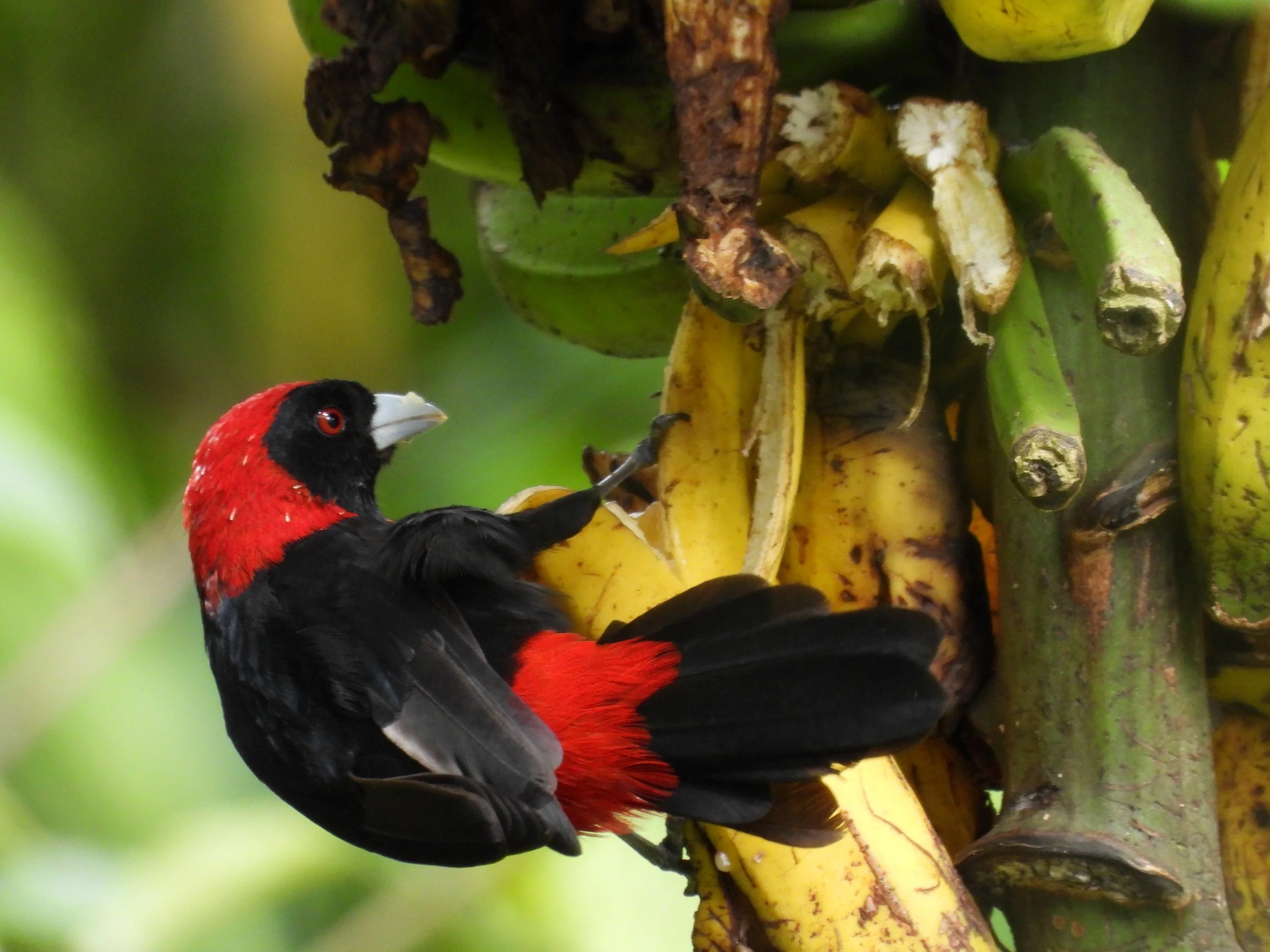
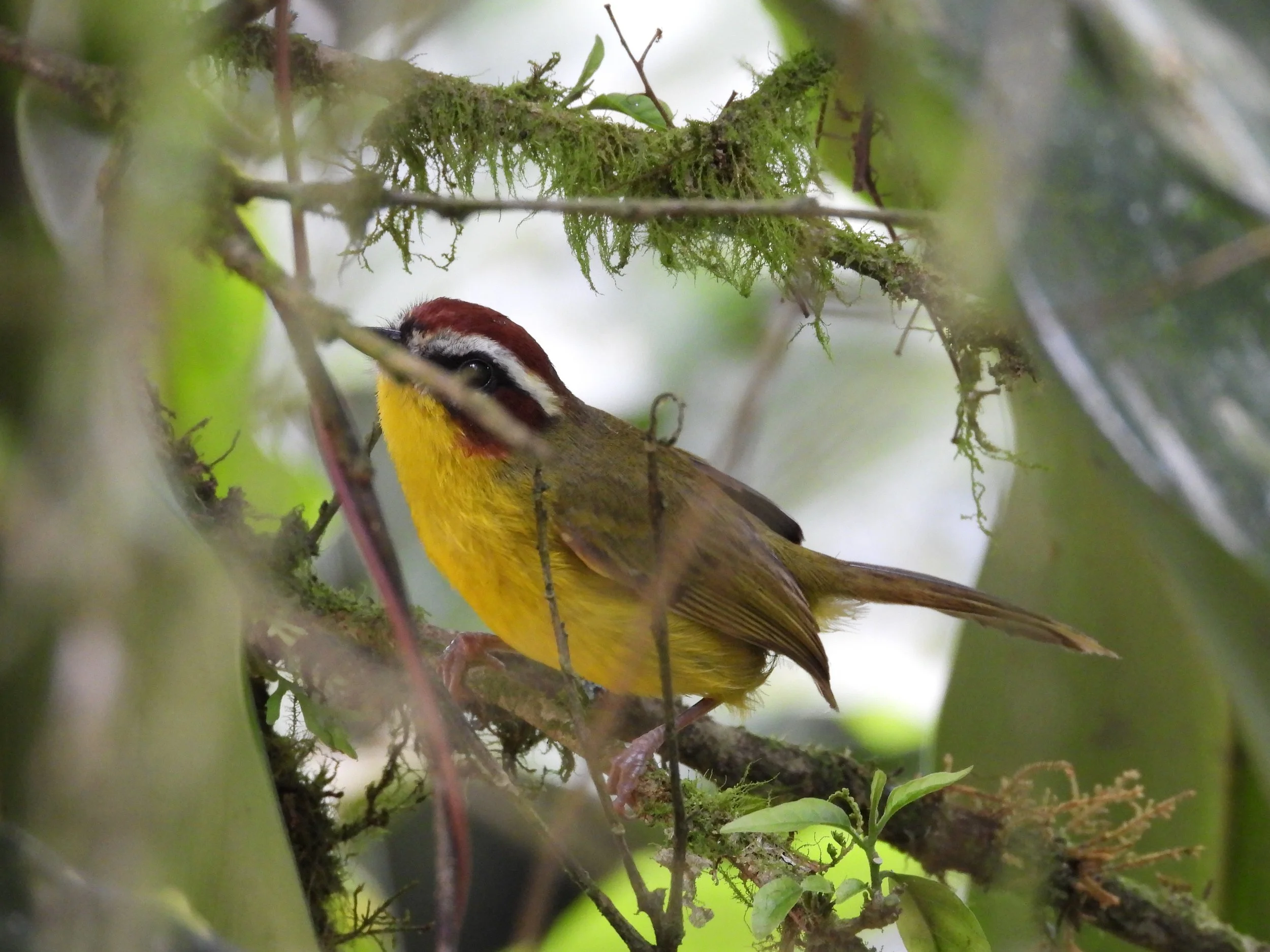
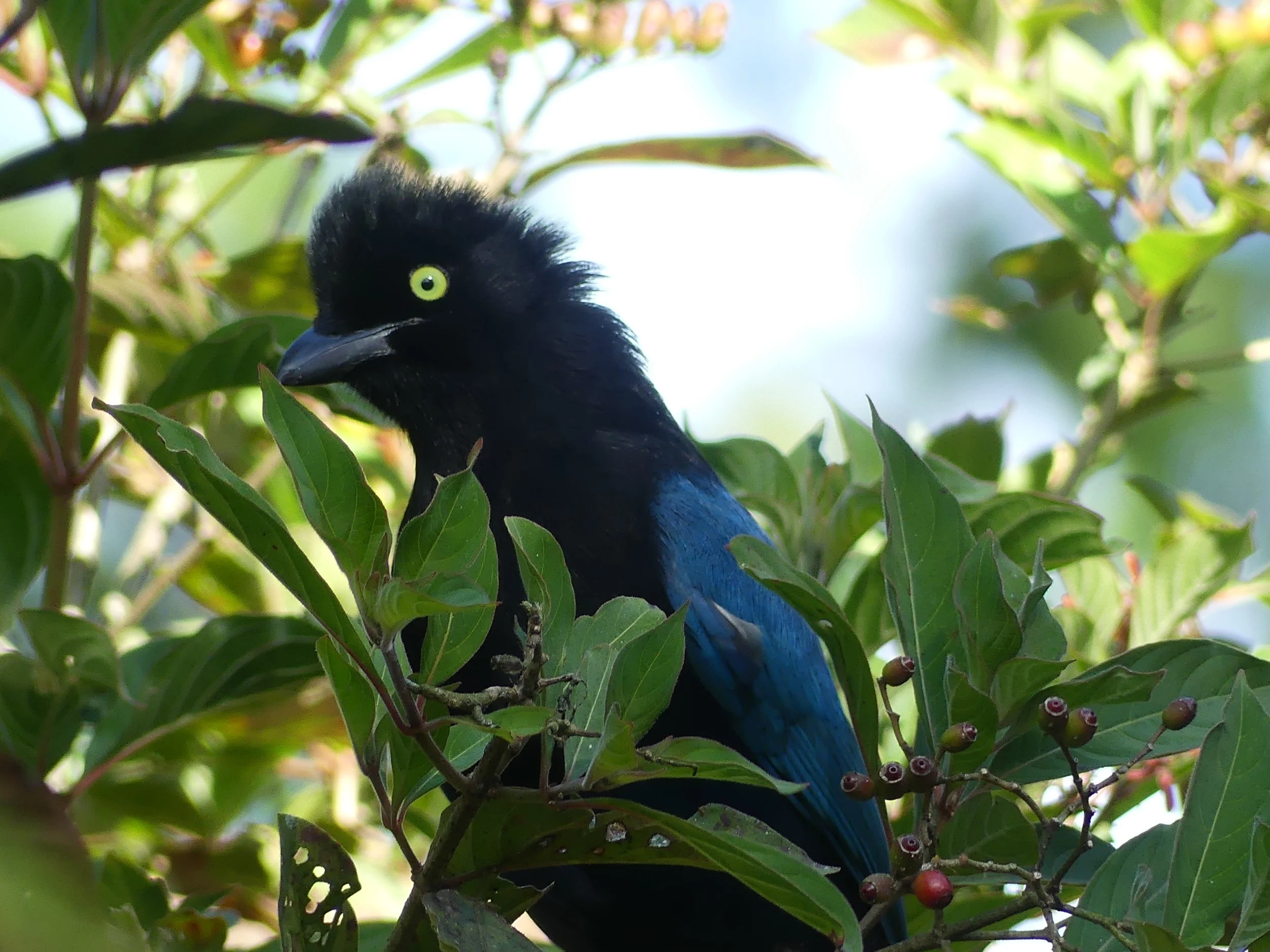
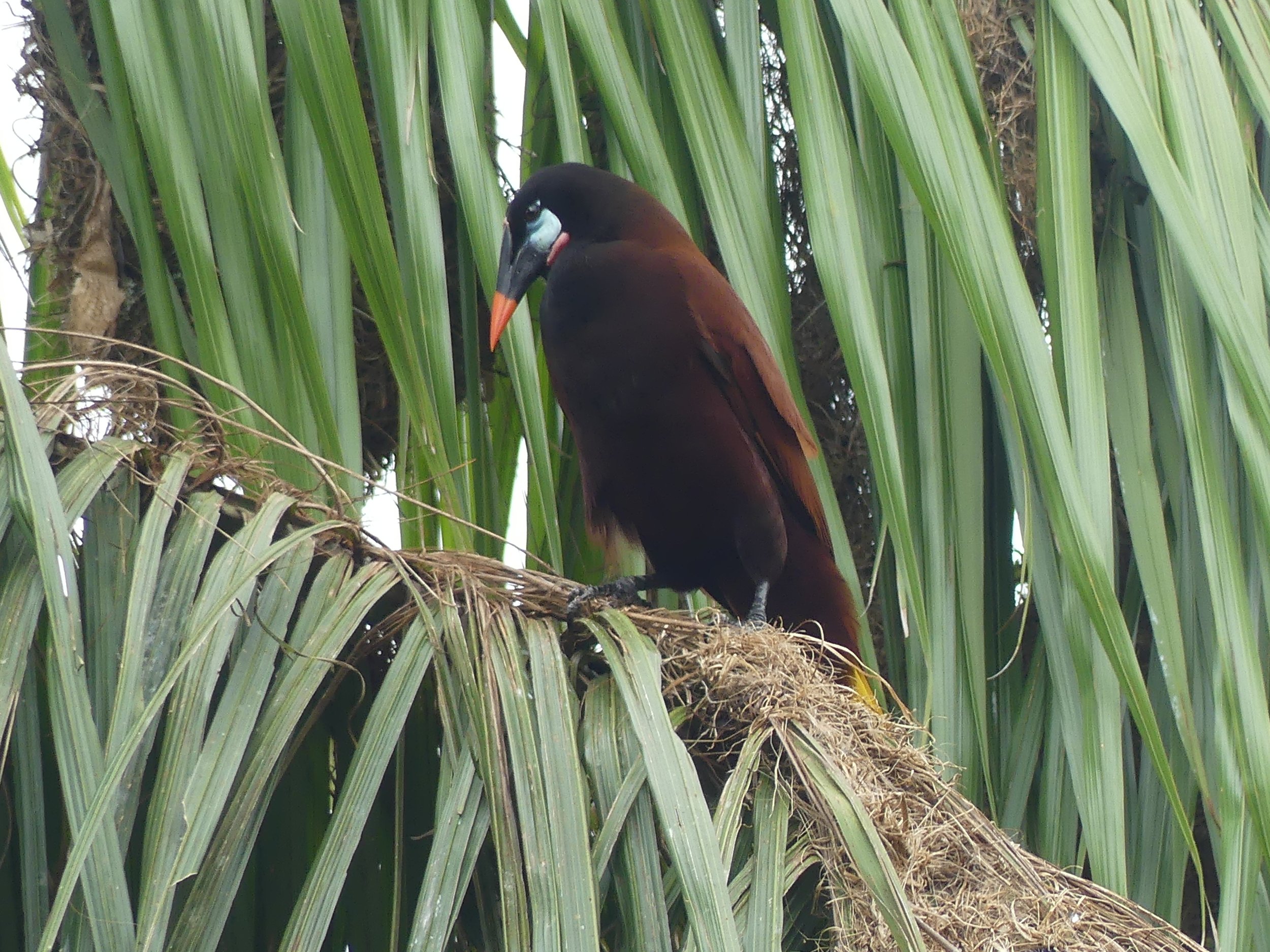
El Jaguar is Treerich’s model farm, setting the standard for exceptional coffee production alongside nature conservation.
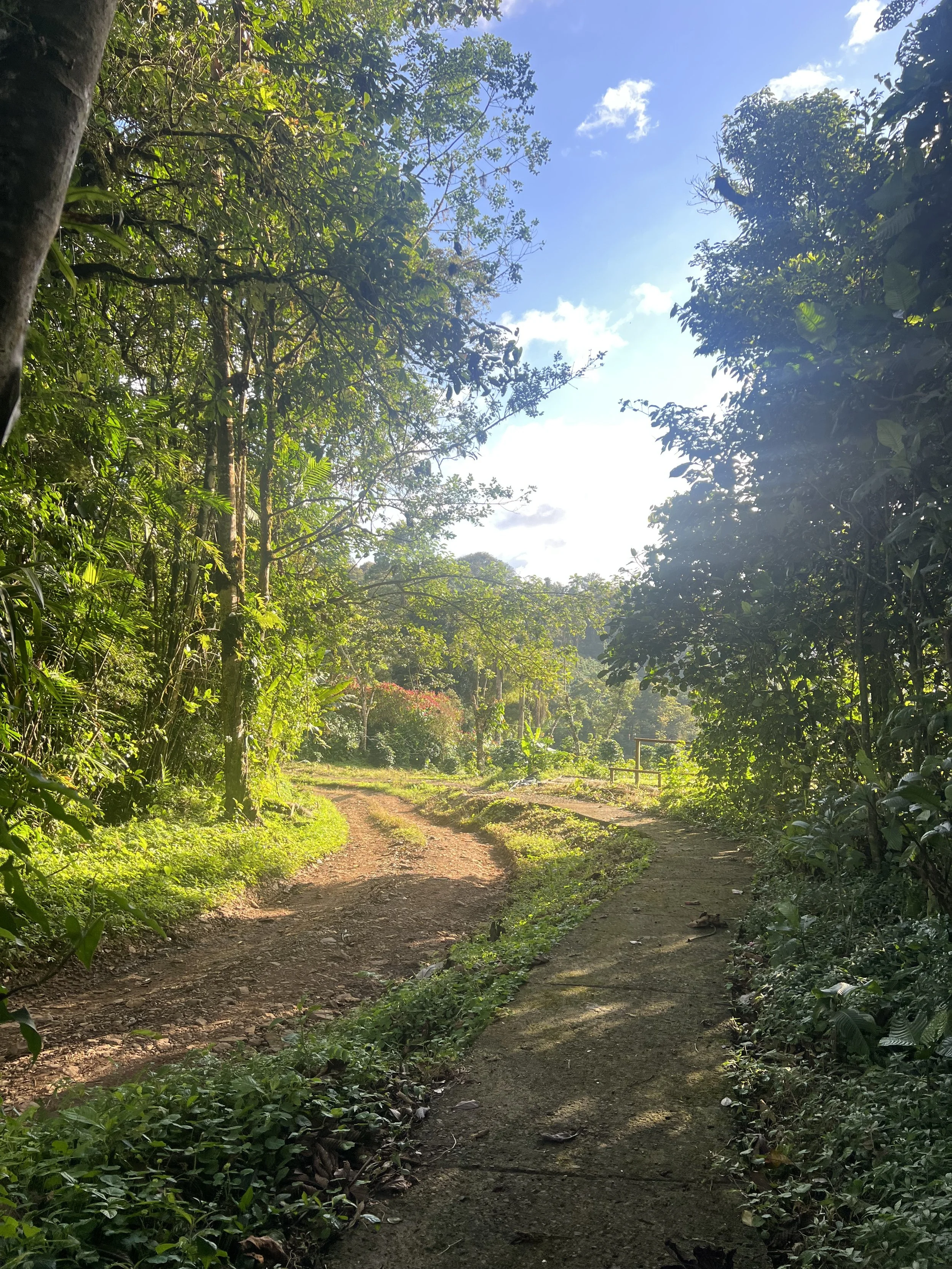
But that’s not all: Reforestation & Environmental Education
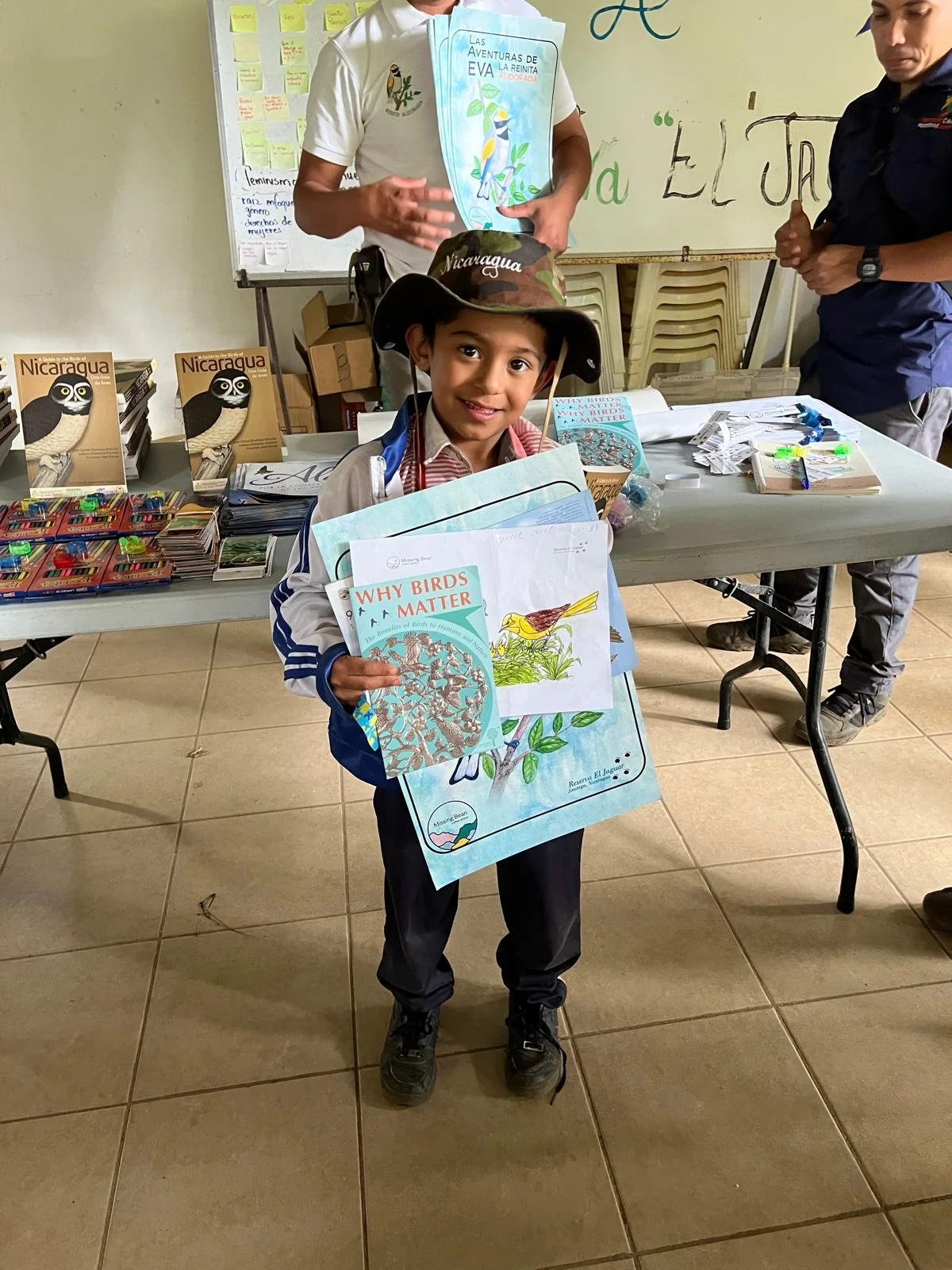
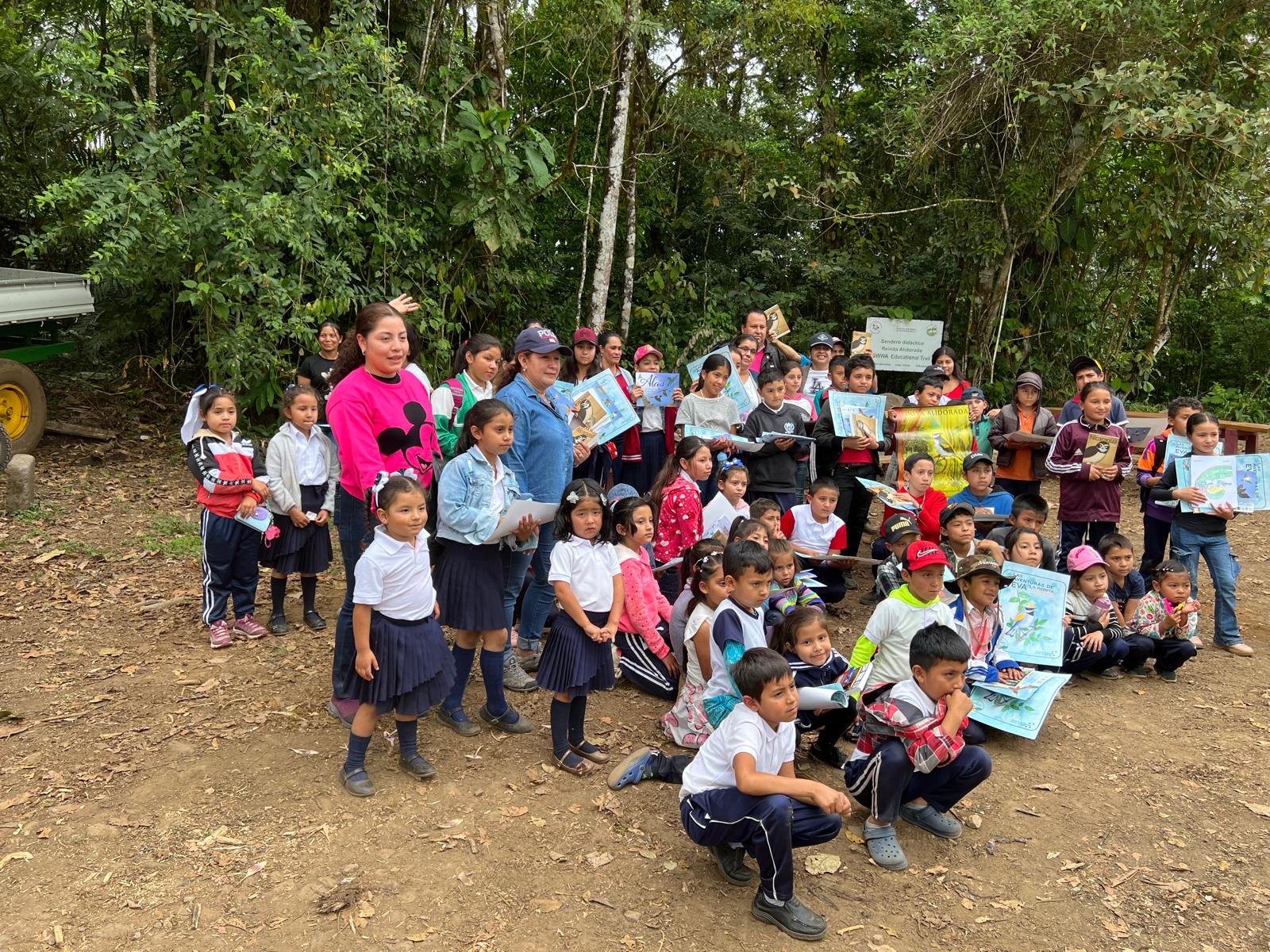
Environmental Education with The Missing Bean
In partnership with The Missing Bean, a long-time roasting partner sourcing Java coffee from El Jaguar, this project brought environmental education directly to local children.
The program included bird observation, nature-based games, drawing workshops, and a friendly art competition, with a shared meal for all participants.
Using hands-on activities and binoculars, the children experienced a direct connection with their natural environment, learning the importance of protecting biodiversity, particularly local bird species.
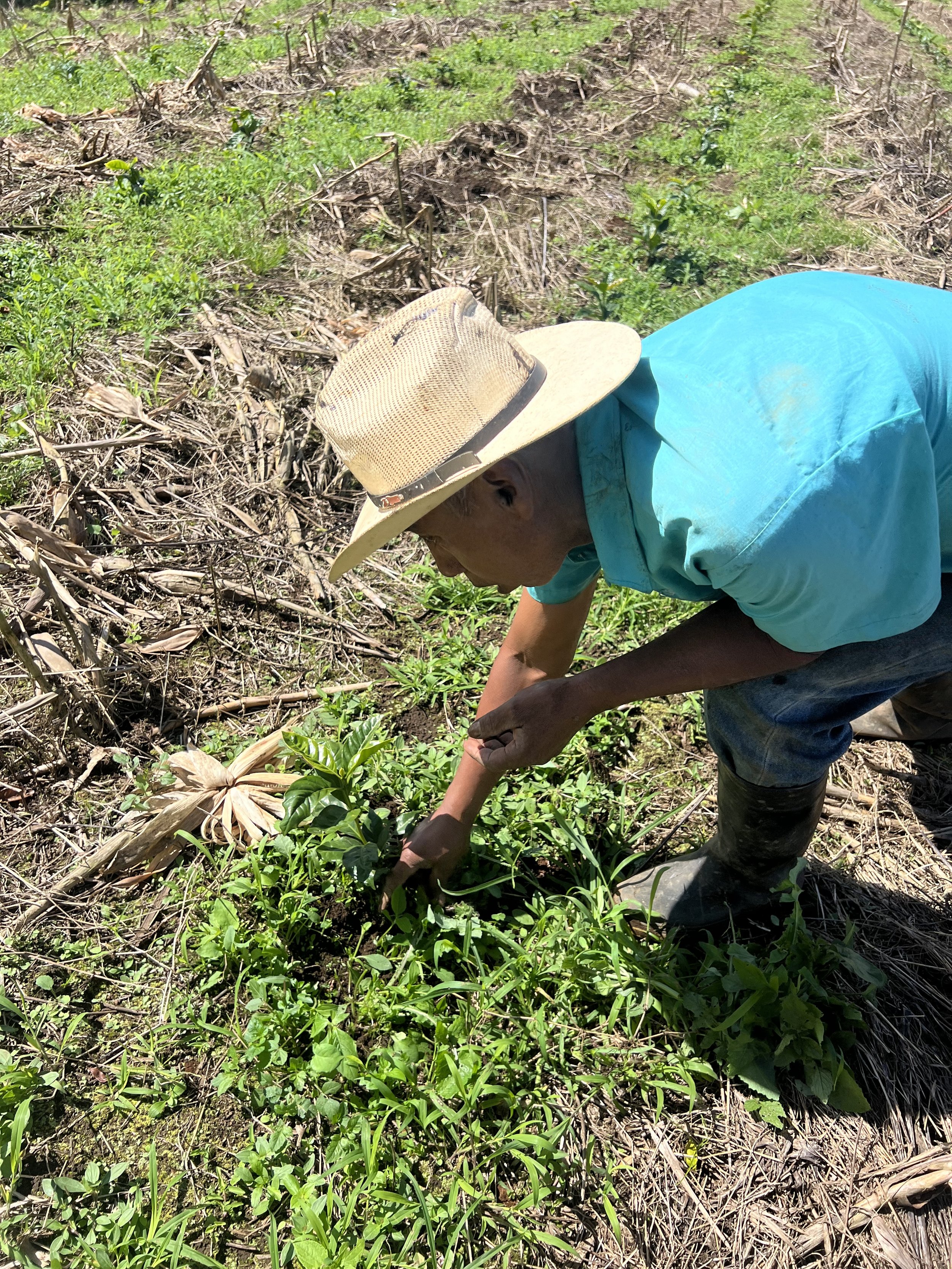
Reforestation & Specialty Coffee Support
In collaboration with Audubon, El Jaguar launched a reforestation and specialty coffee project with 10 neighboring small-scale producers.
Each farmer received 1,000–3,000 coffee seedlings from El Jaguar’s nursery, along with fruit and leguminous trees to restore forest cover, improve soil health, and increase biodiversity. These companion trees also provide extra food or income opportunities.
The project aims to reforest the landscape while helping farmers grow high-quality specialty coffee. El Jaguar offers to purchase the coffee without obligation, ensuring full independence.
Distributed varieties include Geisha, Maracaturra, Catimor, Pink Bourbon, Pacamara, and others, all with strong potential in the specialty coffee market.