Forest and Coffee: A Natural Partnership
Back to the Essentials
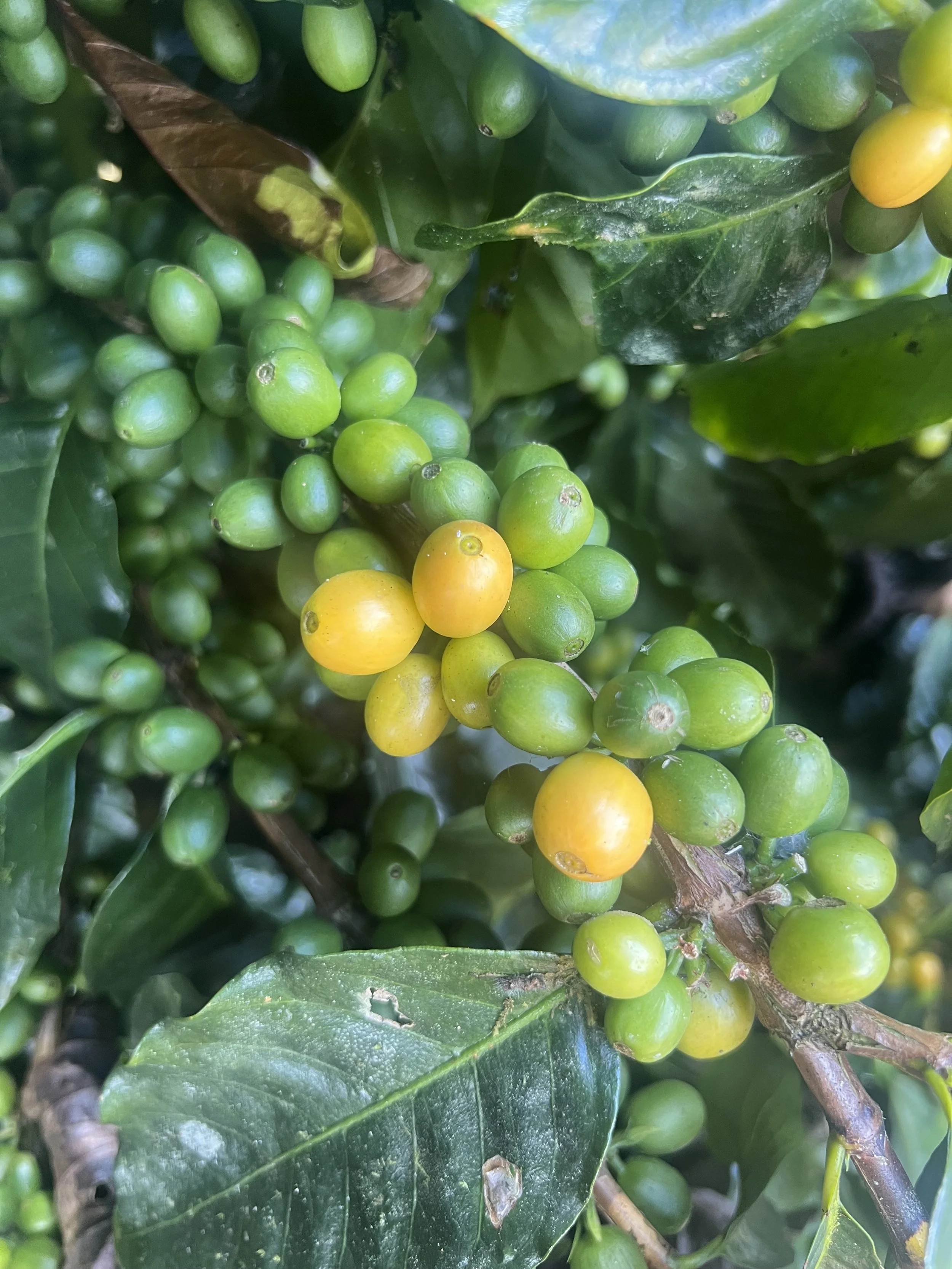
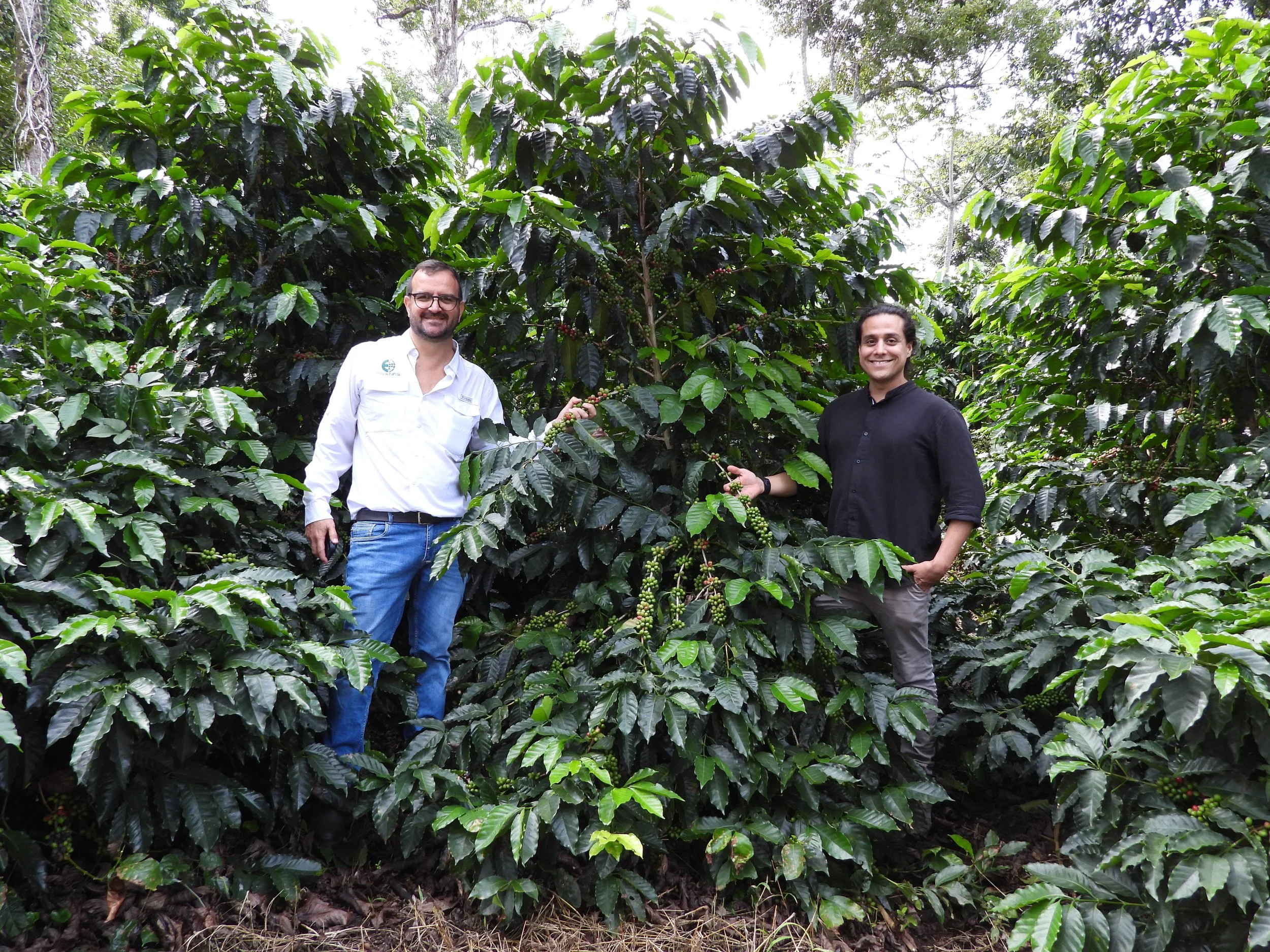
When we think about coffee, we often picture large plantations under full sun.
But this is not its natural environment.
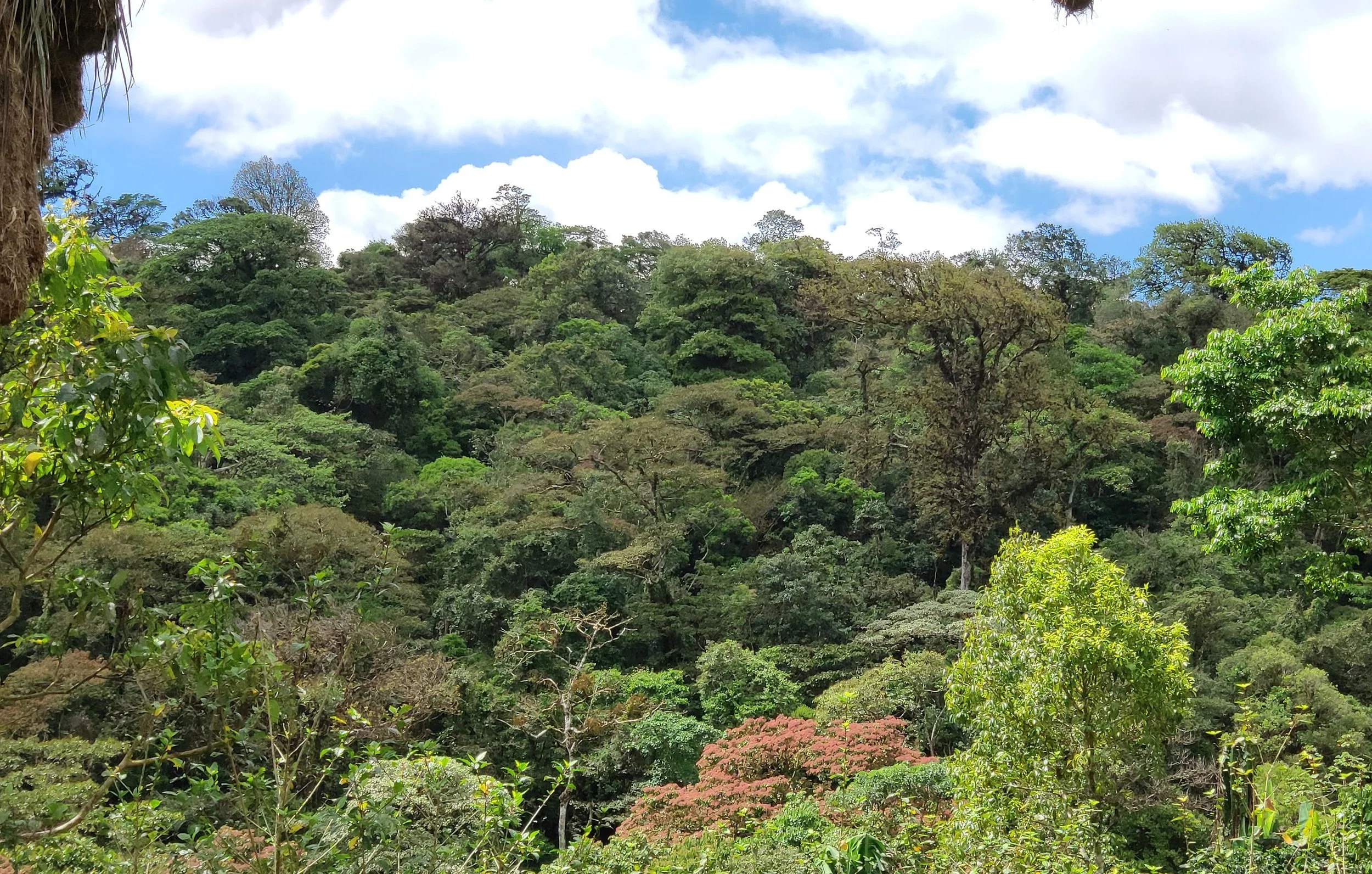
The coffee tree (Coffea arabica) originally grows in the shaded forests of Ethiopia, within rich and balanced ecosystems. For centuries, it was cultivated this way.
With industrial agriculture, trees were removed to increase yields. Coffee began to be grown in full sun — a model that boosted production,
but led to soil degradation, biodiversity loss, and dependence on chemical inputs.
Today, a different approach is emerging.
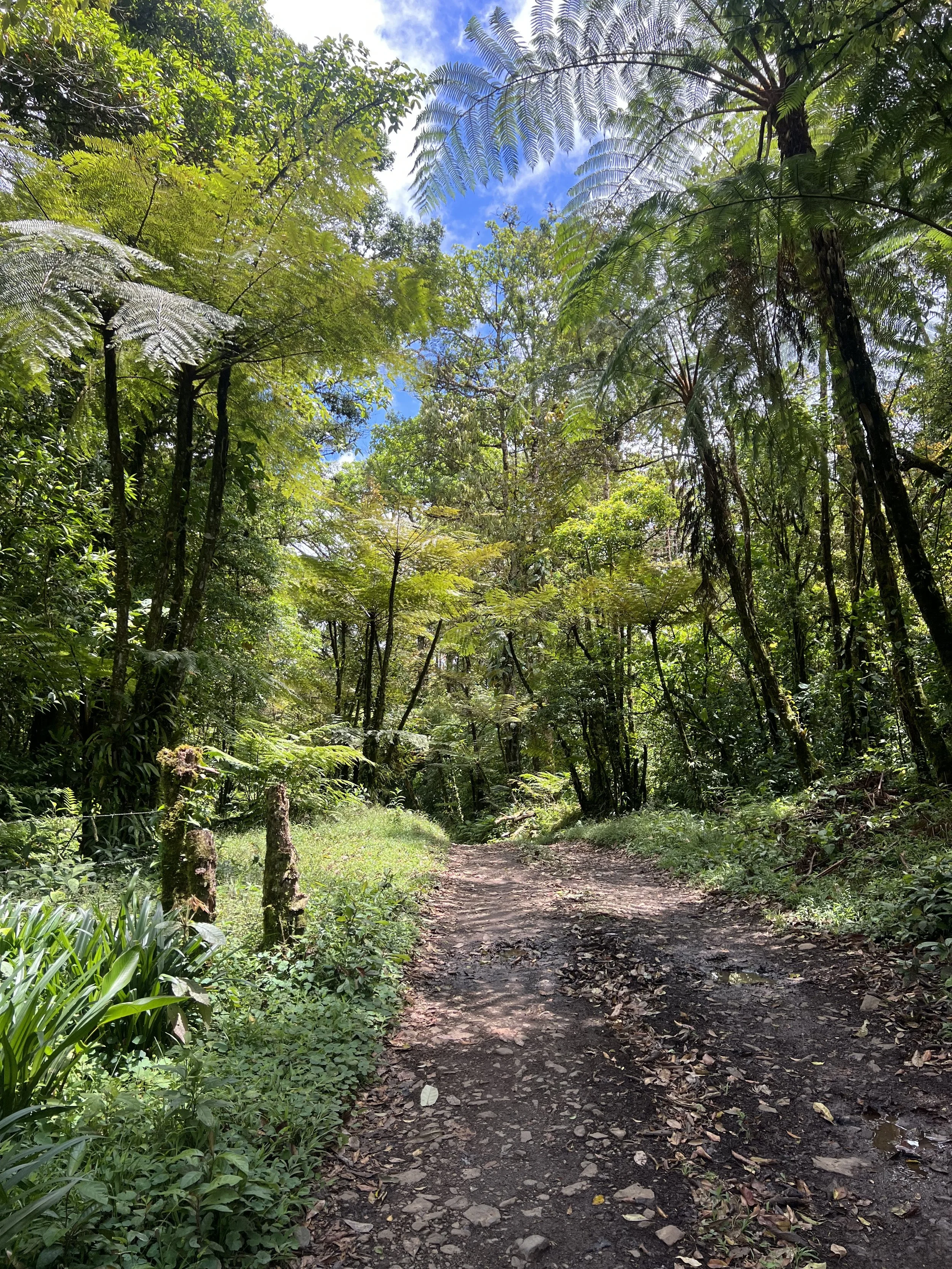
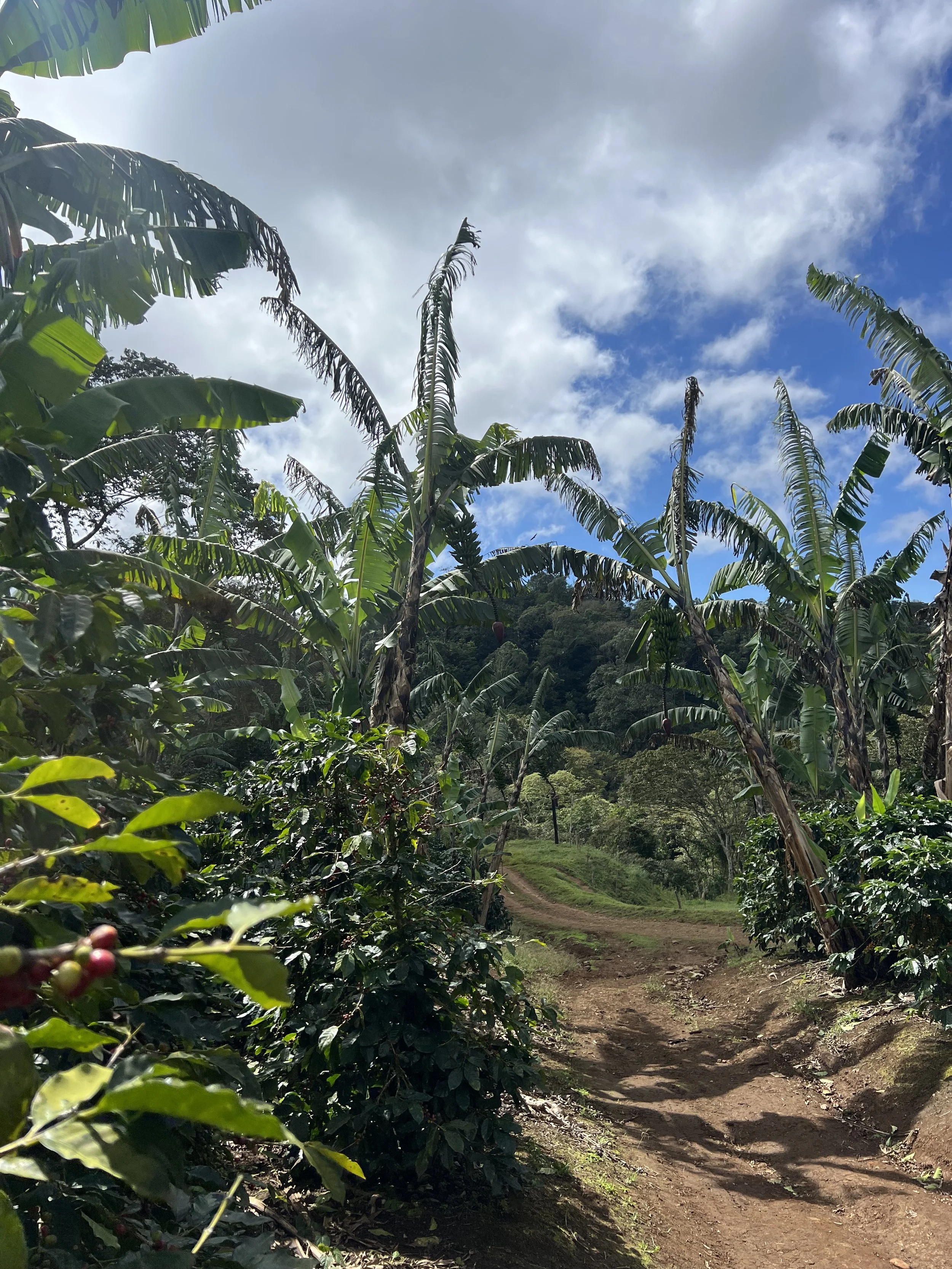
Farmers are returning to growing coffee under trees, in systems that resemble natural forests.
This is called agroforestry.
Working with nature, rather than against it, leads to more sustainable farming — and often better coffee.
Why are forests essential for coffee farming?
Forests are not just a “nice addition” to coffee farms.
They directly influence how coffee plants grow, resist stress, and produce quality beans.
-
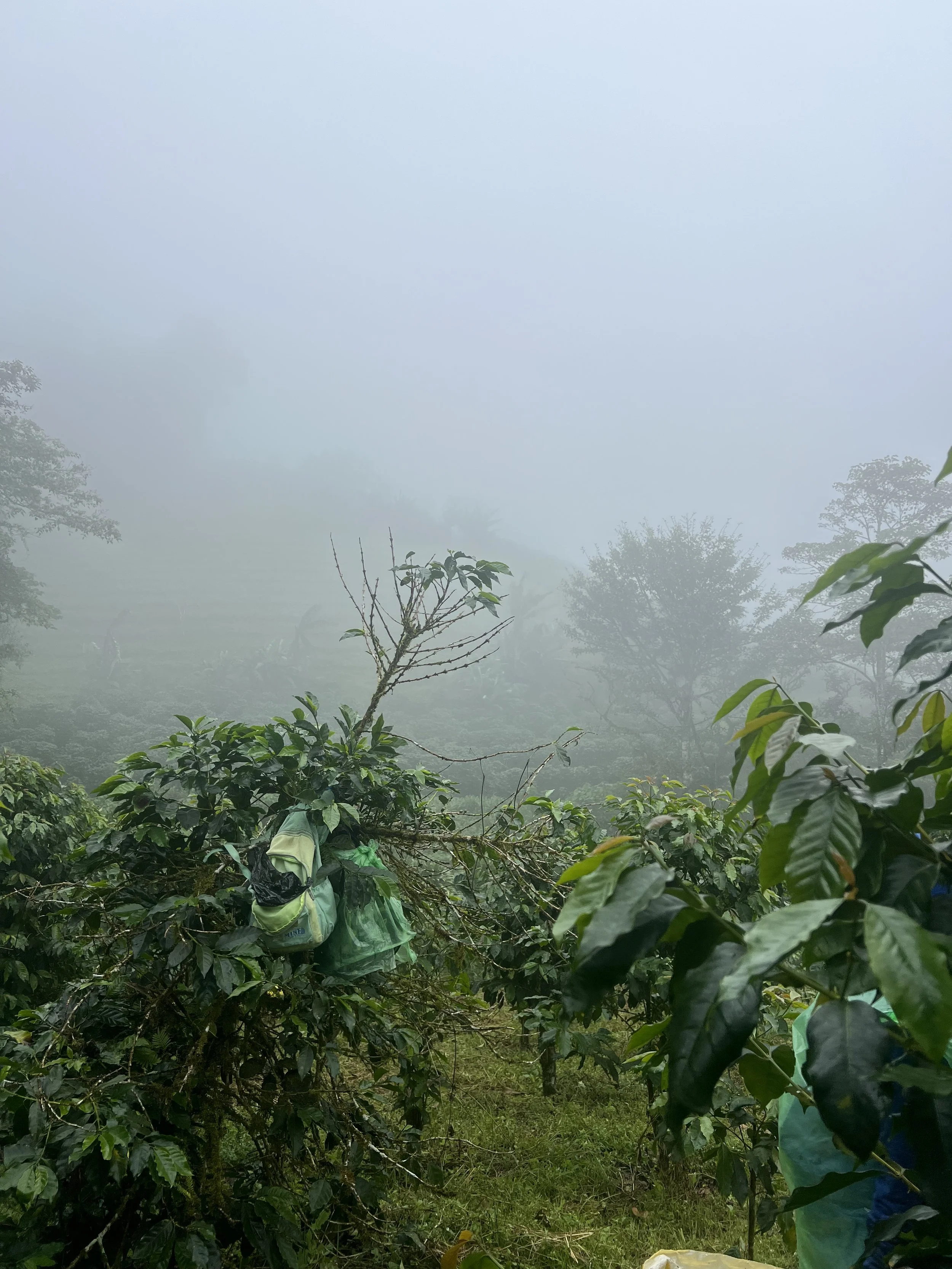
Shade trees can reduce air temperature by 2 to 5°C compared to full-sun systems.
They also reduce daily temperature fluctuations, which limits plant stress and improves overall plant health.
This is critical as coffee is highly sensitive to heat.
-
Forest soils contain more organic matter, which improves their ability to retain water.
Studies show that agroforestry systems can:
increase soil water retention
reduce evaporation from the soil surface
improve drought resilience
Tree cover also enhances infiltration, meaning more rainwater enters the soil instead of running off.
-
Fallen leaves and organic debris from trees naturally enrich the soil.
Compared to monoculture systems, agroforestry plots often show:
higher levels of soil organic carbon
improved nutrient cycling (nitrogen, phosphorus)
greater microbial activity
This reduces the need for synthetic fertilizers over time.
-
Agroforestry farms host significantly more biodiversity than sun-grown coffee systems.
For example:
Birds can reduce pest populations (like the coffee berry borer)
Pollinators such as bees can increase yields and improve bean size
Some studies estimate that shaded coffee farms can host 2 to 3 times more bird species than monoculture farms.
A natural buffer against climate change
By combining all these effects, forests make coffee systems more resilient.
They help:
reduce heat stress
maintain humidity
stabilize yields over time
In contrast, full-sun systems tend to be more productive in the short term, but more vulnerable to climate variability and soil degradation.
Life inside coffee forests
The sloth and coffee forests
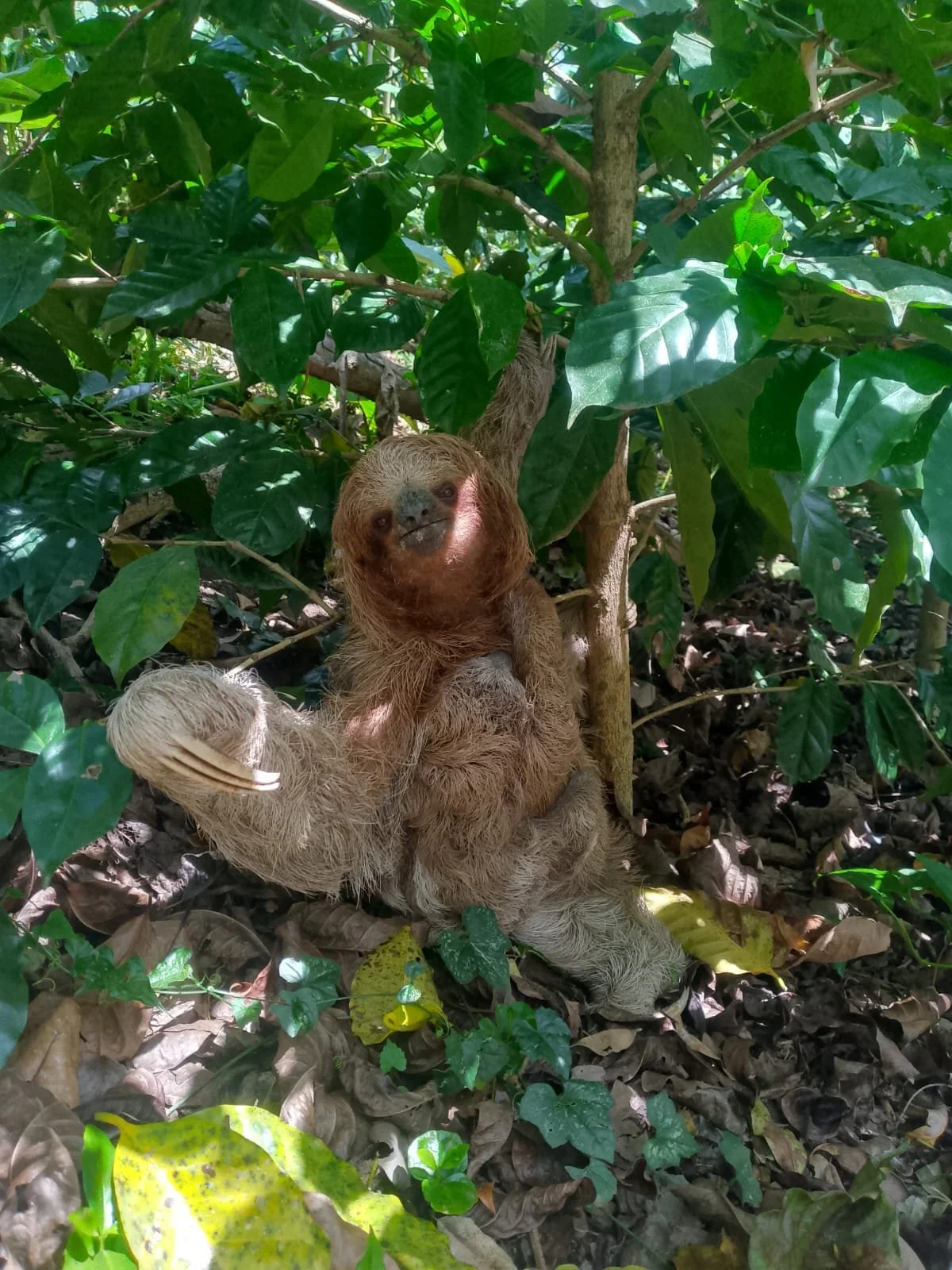
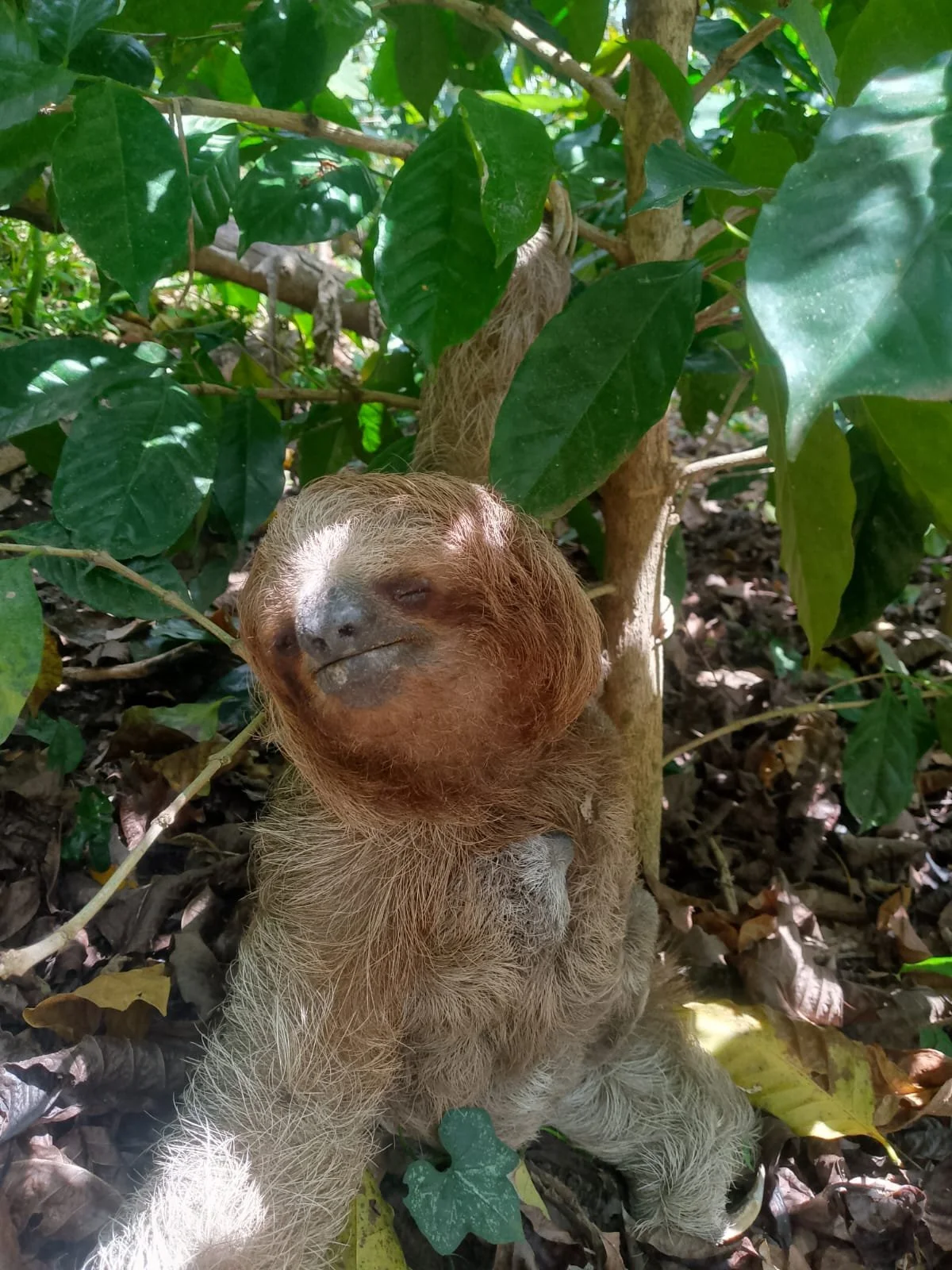
Sloths depend entirely on trees to survive. They move, feed, and rest in the canopy, rarely coming down to the ground where they are more vulnerable to predators.
In coffee agroforestry systems, where trees are preserved, sloths can continue to move safely from tree to tree. These environments also provide a more diverse and stable food source thanks to the variety of plant species.
Without tree cover, sloths simply cannot survive.
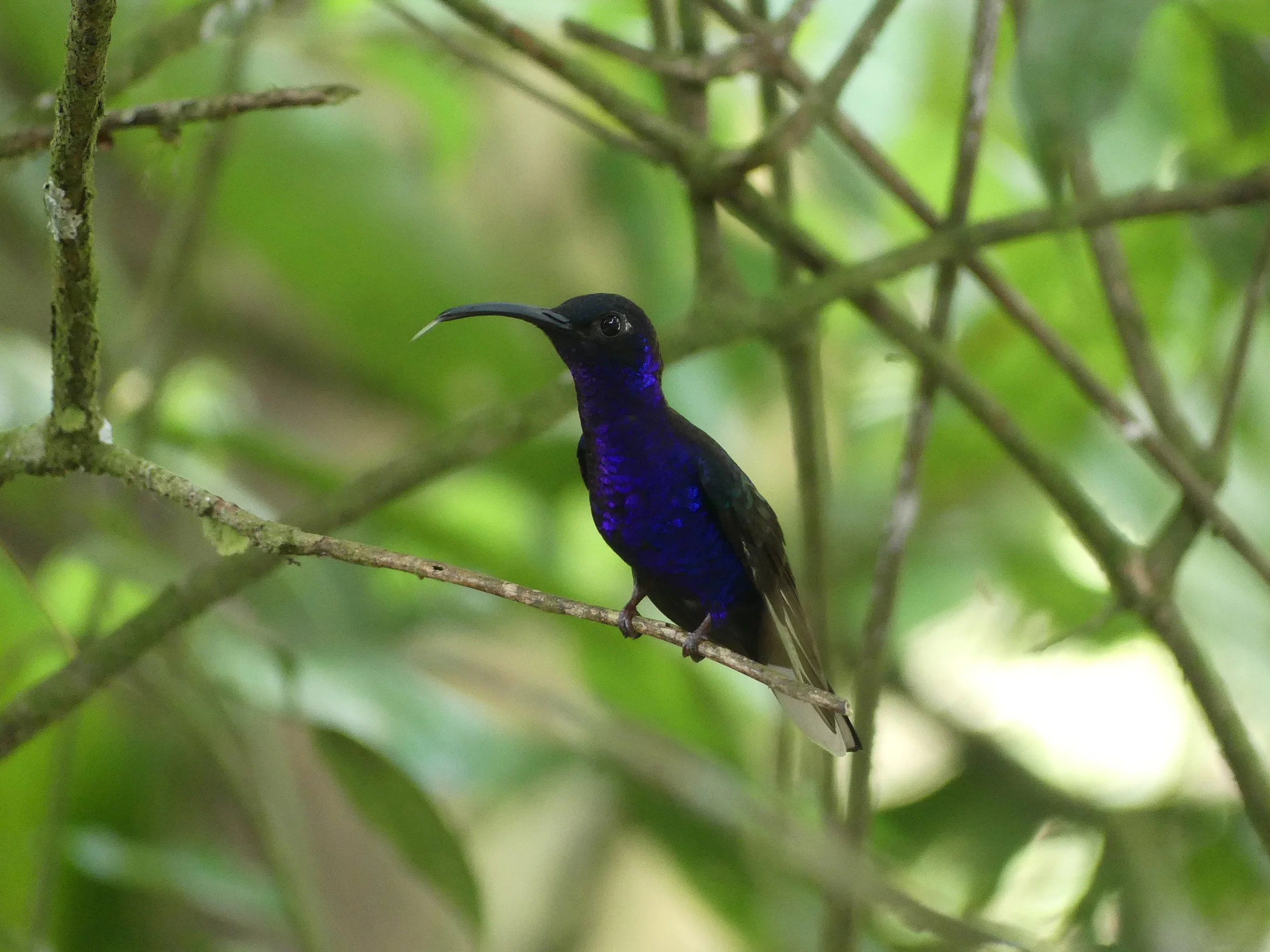
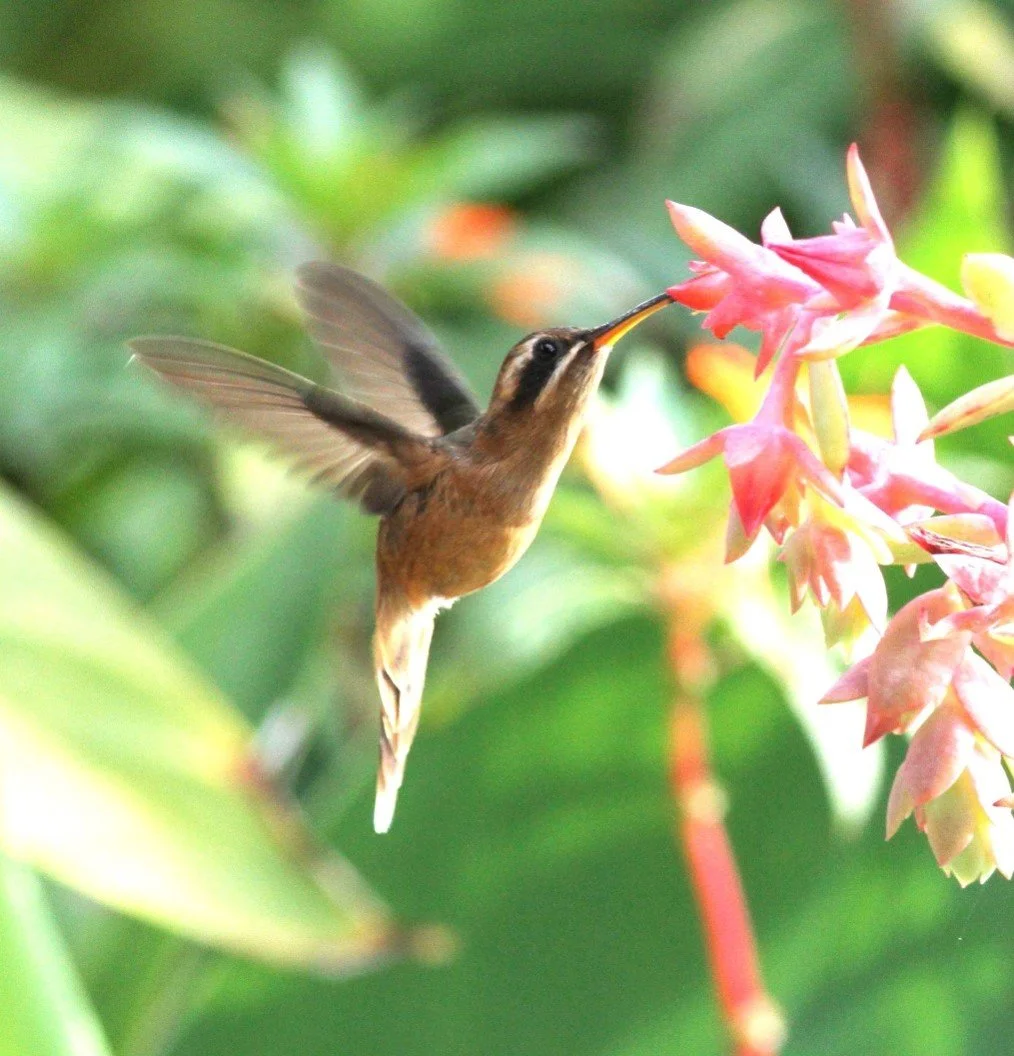
Colibris in coffee forests
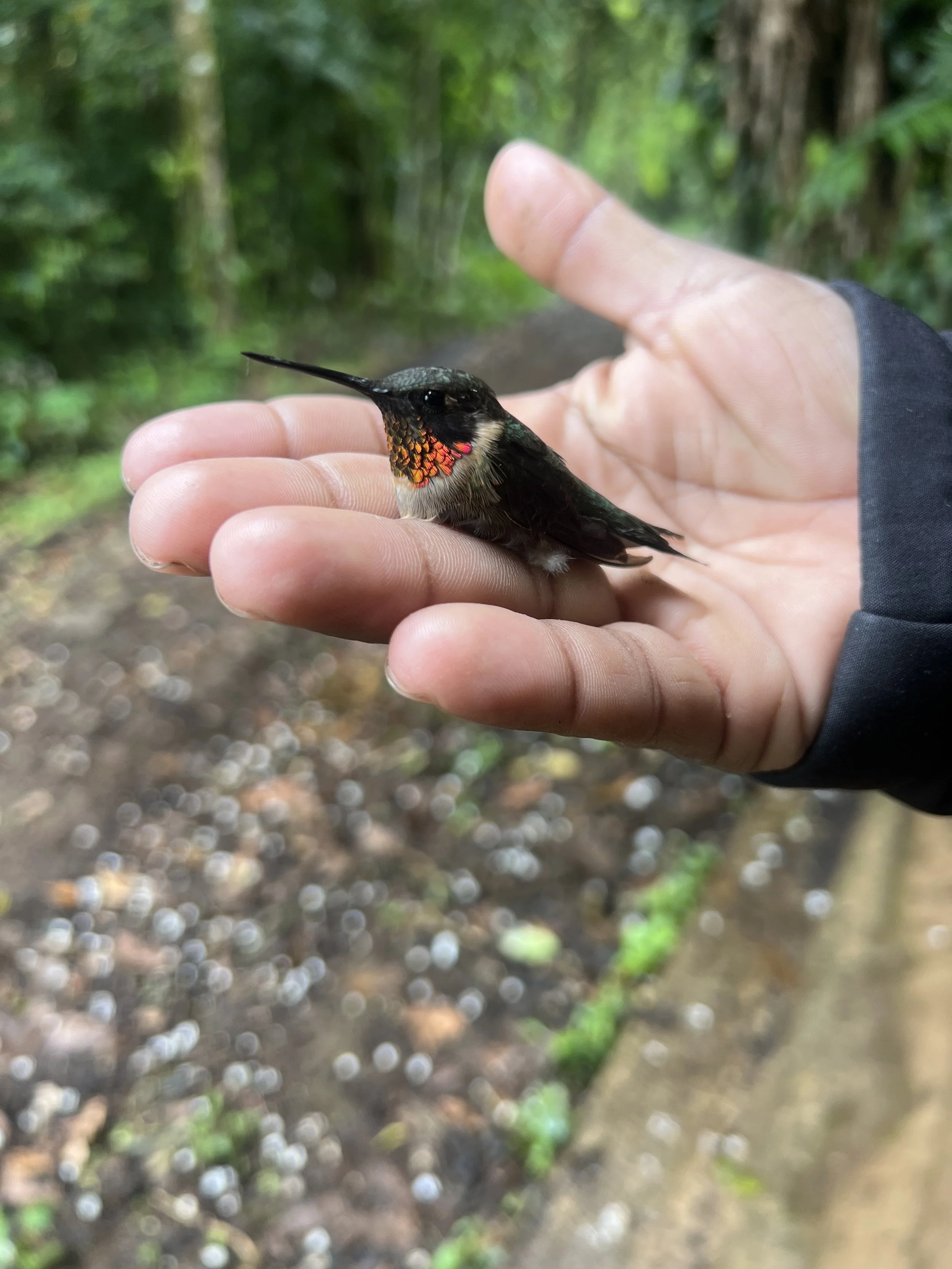
Colibris play a unique role in coffee ecosystems.
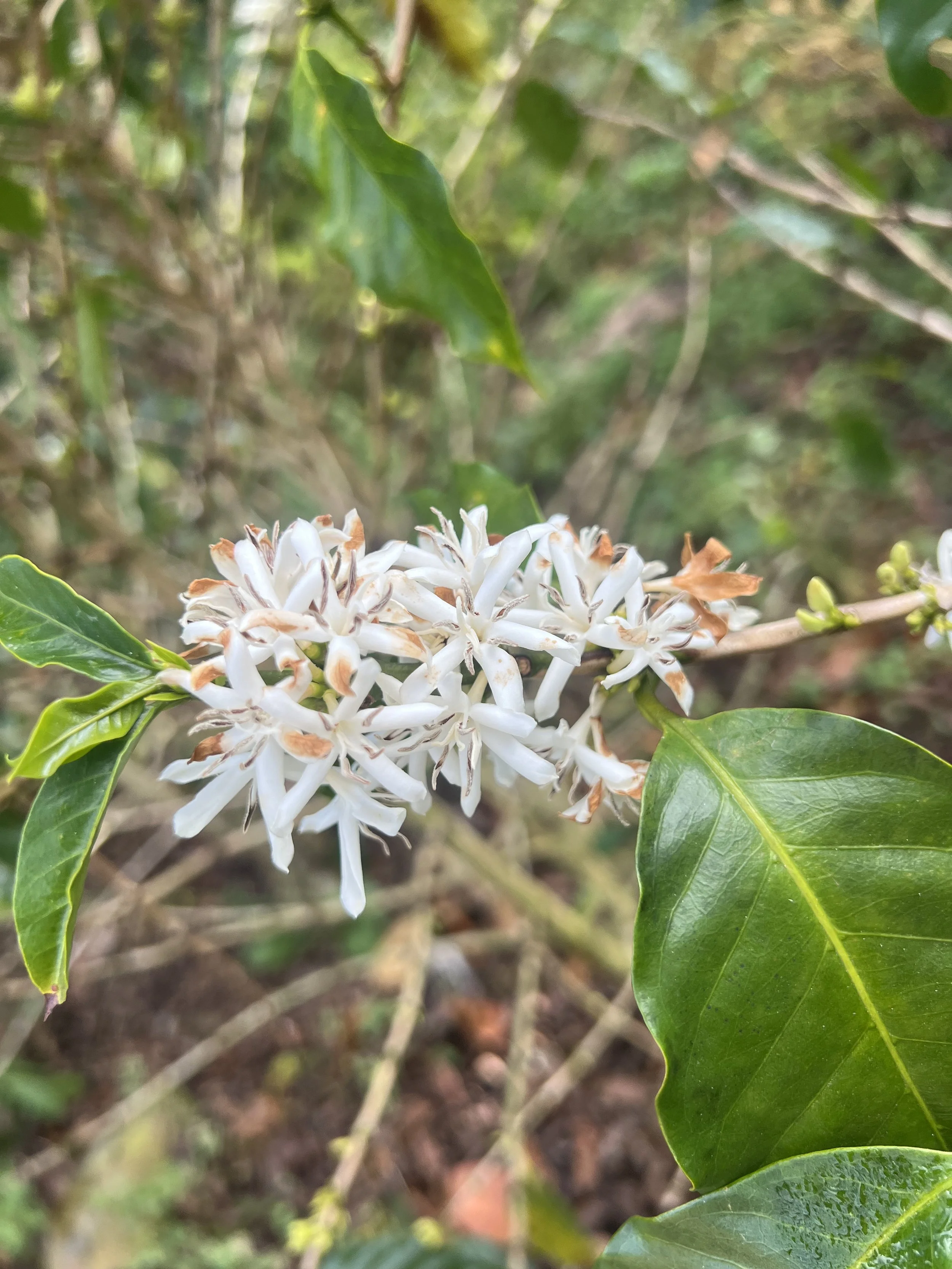
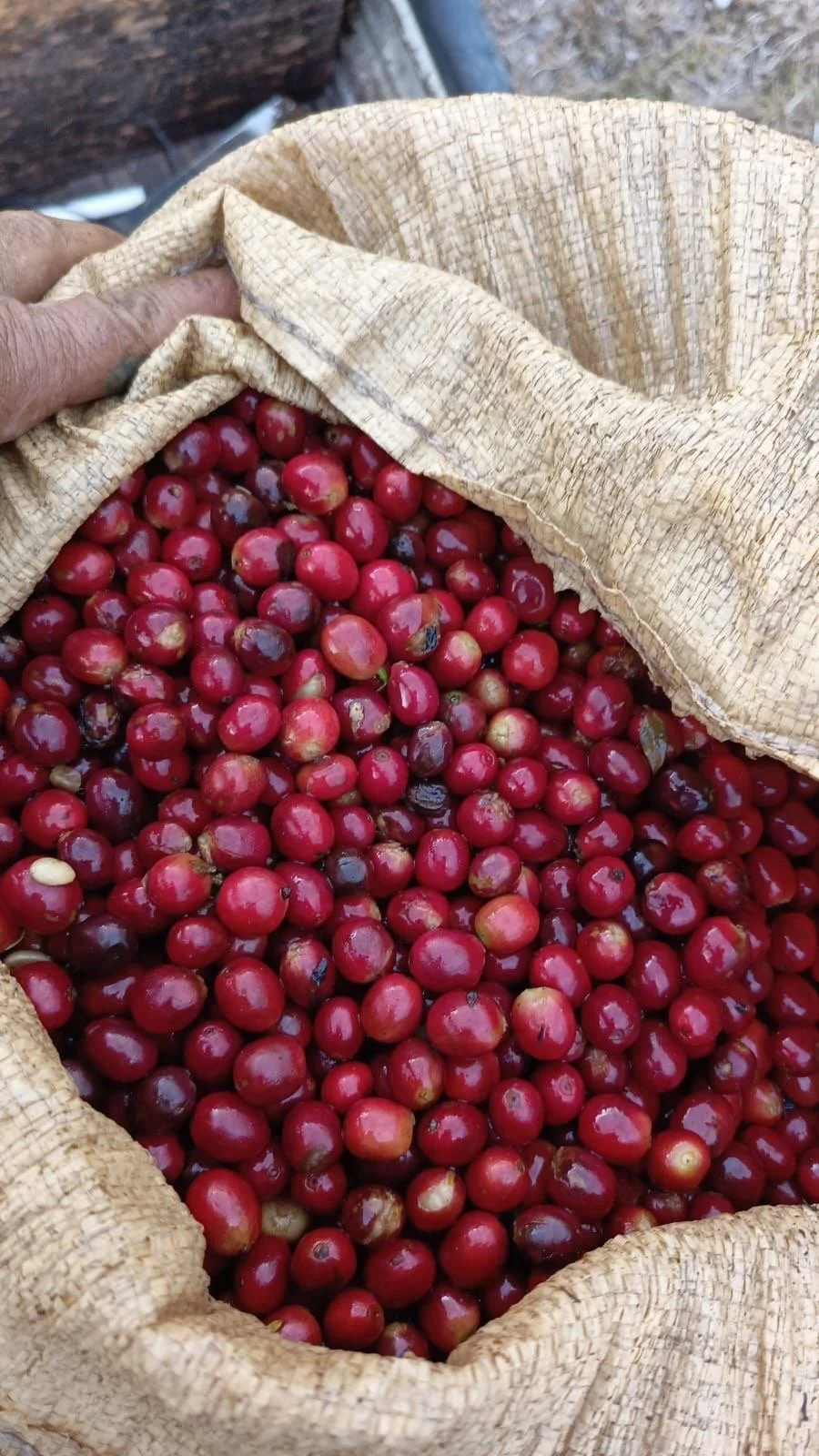
As they feed on nectar, they contribute to pollination, helping coffee flowers develop into cherries.
But their role doesn’t stop there.
They also feed on small insects, including the larvae of the coffee berry borer — one of the most damaging pests for coffee plants.
By attracting colibris, shaded coffee farms benefit from both natural pollination and pest control.
Coffee can protect forests !
Coffee is often associated with deforestation.
But when grown differently, it can also become part of the solution.
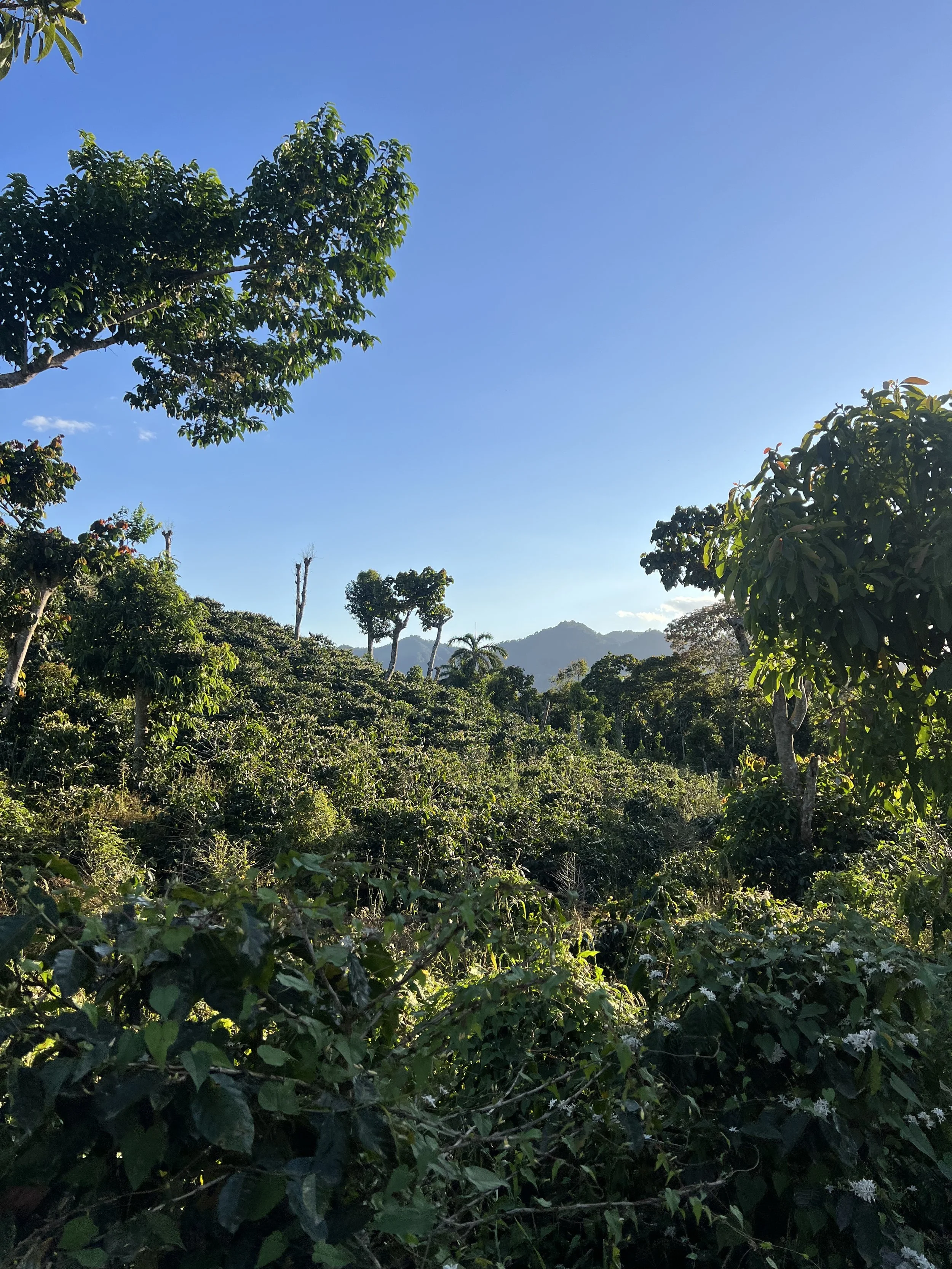
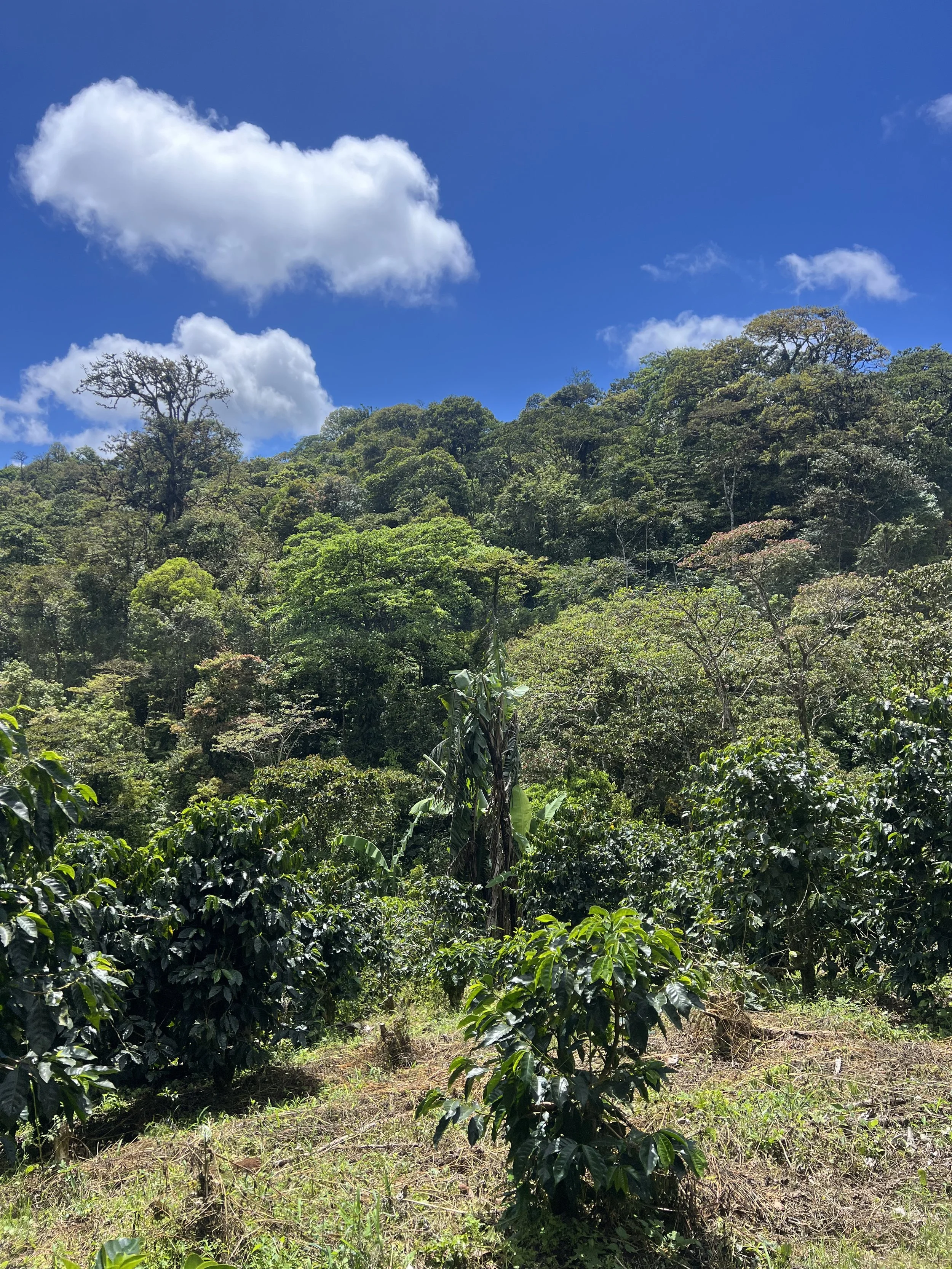
A model that encourages tree conservation
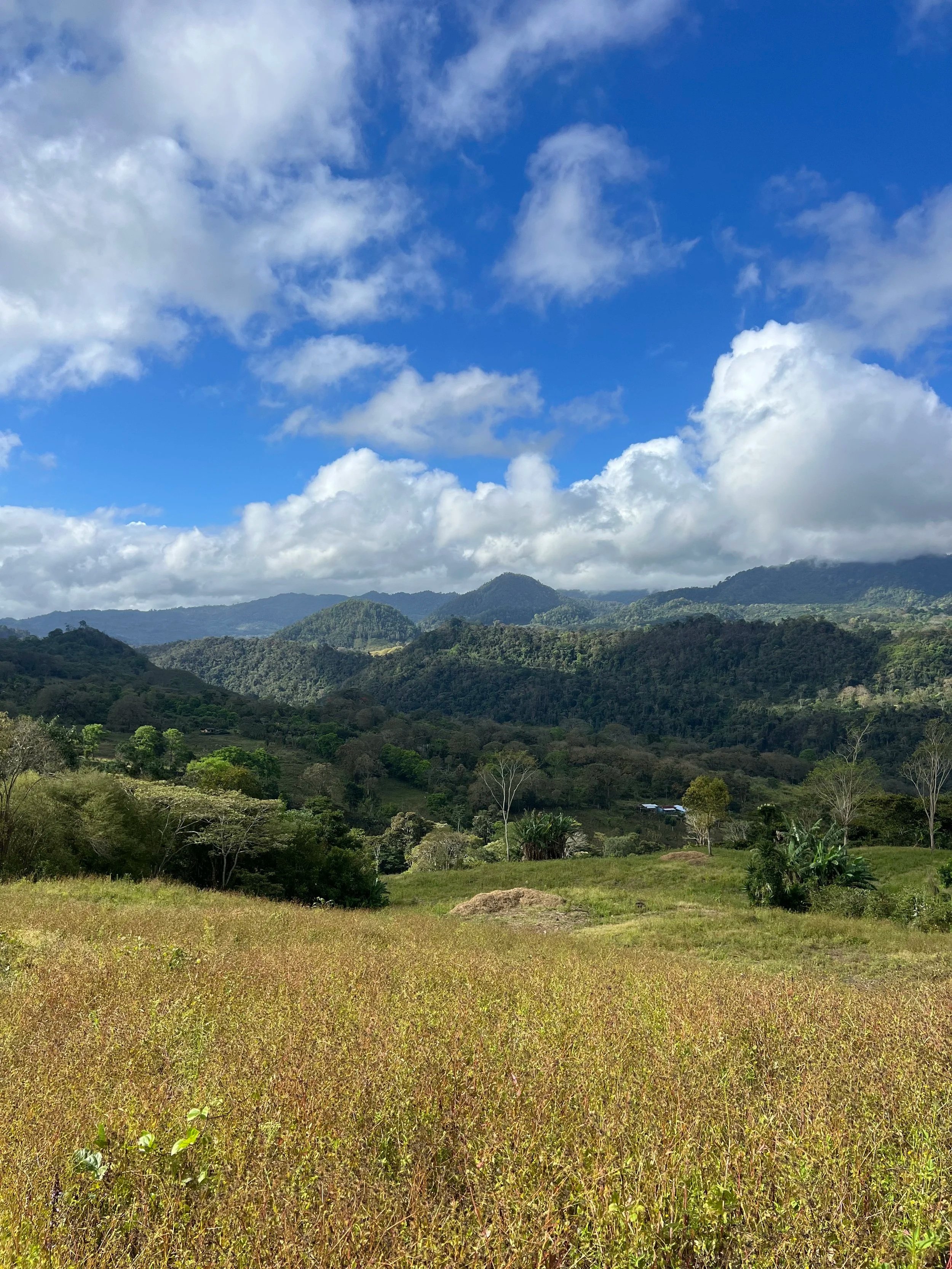
Coffee naturally grows in the shade.
When cultivated in agroforestry systems, farmers have a strong incentive to preserve existing trees — and even plant new ones.
An alternative to more destructive crops
In many regions, forests are cleared for intensive crops like soy or cattle farming.
Shade-grown coffee provides a viable source of income while maintaining a living ecosystem.
Producing while regenerating
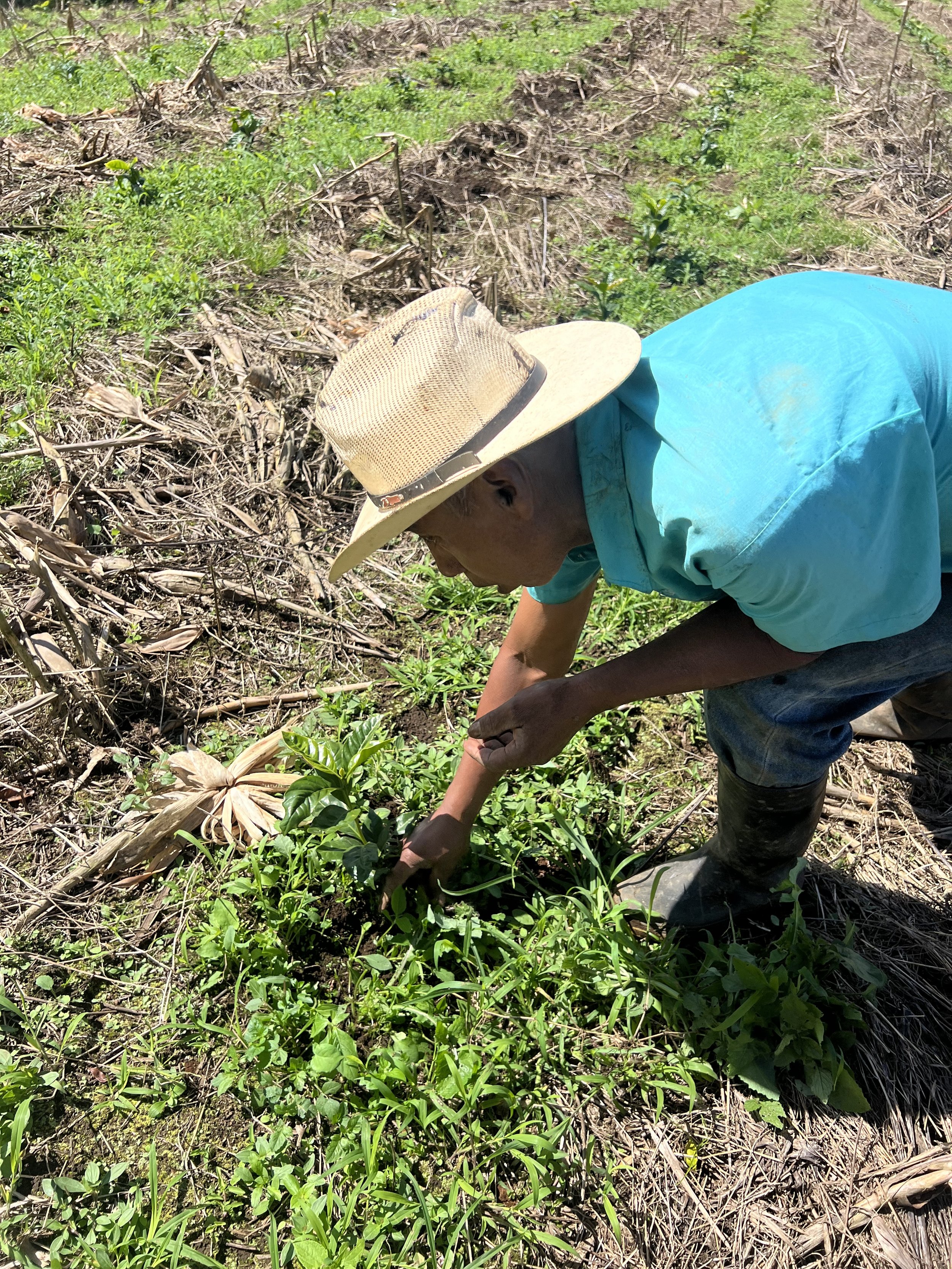
Some systems go beyond preservation.
They help restore soils, replant trees, and rebuild more diverse ecosystems.
Greater stability for farmers
Agroforestry systems are not only beneficial for the environment — they also offer more security for farmers.
Greater resilience to climate change
Diversified income through trees (fruit, timber, etc.)
Reduced dependence on fertilizers and pesticides
They also make it possible to build long-term relationships with roasters, based on stability rather than market volatility.
A unique global lever
Coffee is one of the most widely consumed beverages in the world.
It is enjoyed daily, across cultures and social backgrounds.
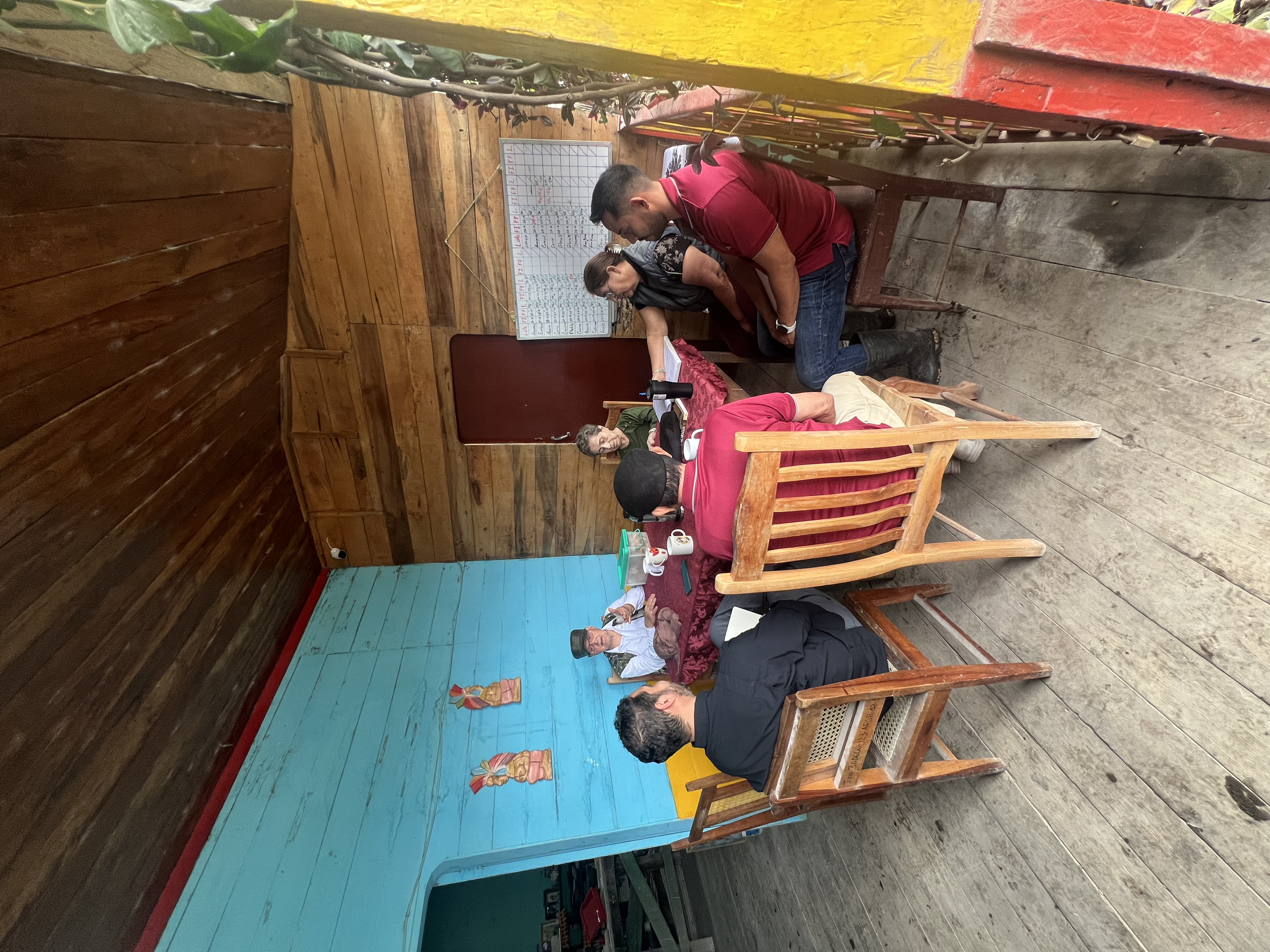
It is also a drink that creates connection.
Between people
Between producing and consuming countries
Between farmers, roasters, and everyone along the value chain
This universality makes coffee a powerful lever.
It creates a direct link with consumers around the world — and an opportunity to support farming models that protect forests and biodiversity.
Coffee can be a driver of deforestation.
But it can also become a powerful tool to protect — and even regenerate — forests, while supporting the people who grow it.
Choosing coffee grown under forest cover is not just about taste.
It supports a different way of farming — one that works with nature, not against it.
Every cup can help preserve ecosystems, support biodiversity, and protect the future of coffee.
What does Treerich do for forests?
-
We work with producers who are committed to forest conservation, and who see it as a way to improve both the quality of their coffee and the long-term sustainability of their farms.
Many of our partners are also engaged in reforestation programs and are certified by organizations such as the Rainforest Alliance.
-
Treerich supports nearby small producers by providing:
Coffee plants
Shade trees (leguminous species, citrus…)
The goal is reconnect fragmented forests across farms.
Over time, this creates ecological corridors that allow biodiversity to move, feed, and thrive.
-
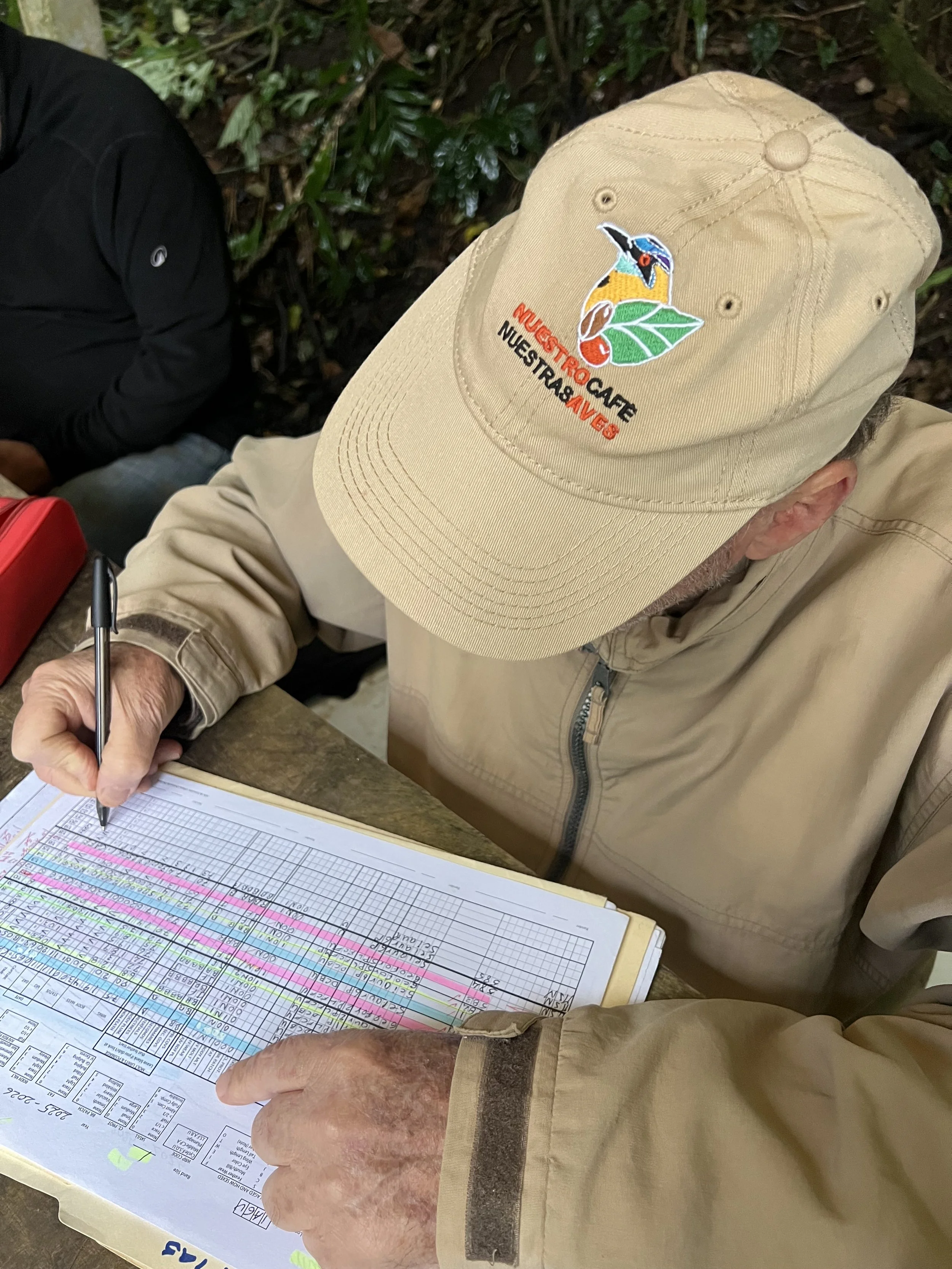
We collaborate with biologists (More people More trees) who visit partner farms to:
Conduct bird biodiversity inventories
Analyze agroforestry systems
Based on their findings, they provide concrete recommendations, such as:
Planting specific fruit trees to support bird populations
Adding hedgerows to reduce erosion
Introducing nitrogen-fixing trees to improve soil fertility
Selecting flowering species to attract pollinators like bees and hummingbirds
-
Our approach is rooted in long-term relationships.
We work with producers located within the same region, with the ambition of gradually connecting all farms through forest cover.
A connected landscape is key to building resilient ecosystems.