Cafe Boaco
Finca Mercedes & Guadalupe
Farm overview
Country / Region : Nicaragua, Boaco région
Altitude : 600 - 700 m
Farm size : hectares of coffee
Annual production :≈ 40 000 kg
Varieties : Yellow Catuai & Red Catuai
Processing methods: Washed, honey, nature
Farming model: Agroforestry & regenerative agriculture
Certification: Rainforest alliance
THE FARMER
Coffee producer • PhD in Agronomy • Specialist in regenerative agriculture 🧑🌾
Born into a coffee-growing family, this producer is one of those who actively reshape landscapes. After several years dedicated to supporting farmers in their agroforestry transition, he chose to put this vision into practice on his own land, at the Guadalupe and Mercedes farms, in the heart of the Boaco region.
For him, good coffee is not measured only in the cup, but also in the health of the territory that produces it: living soils, expanding forests, protected water sources, and decent working conditions for local communities.
In a region heavily impacted by deforestation driven by cattle ranching, he took a different path—reducing pastureland, reforesting, restoring water resources, and using coffee as a driver of regeneration.
A deeply committed producer, he sees his farm as a place for experimentation and proof, demonstrating that agroforestry systems can be ecological, economically viable, and socially transformative.
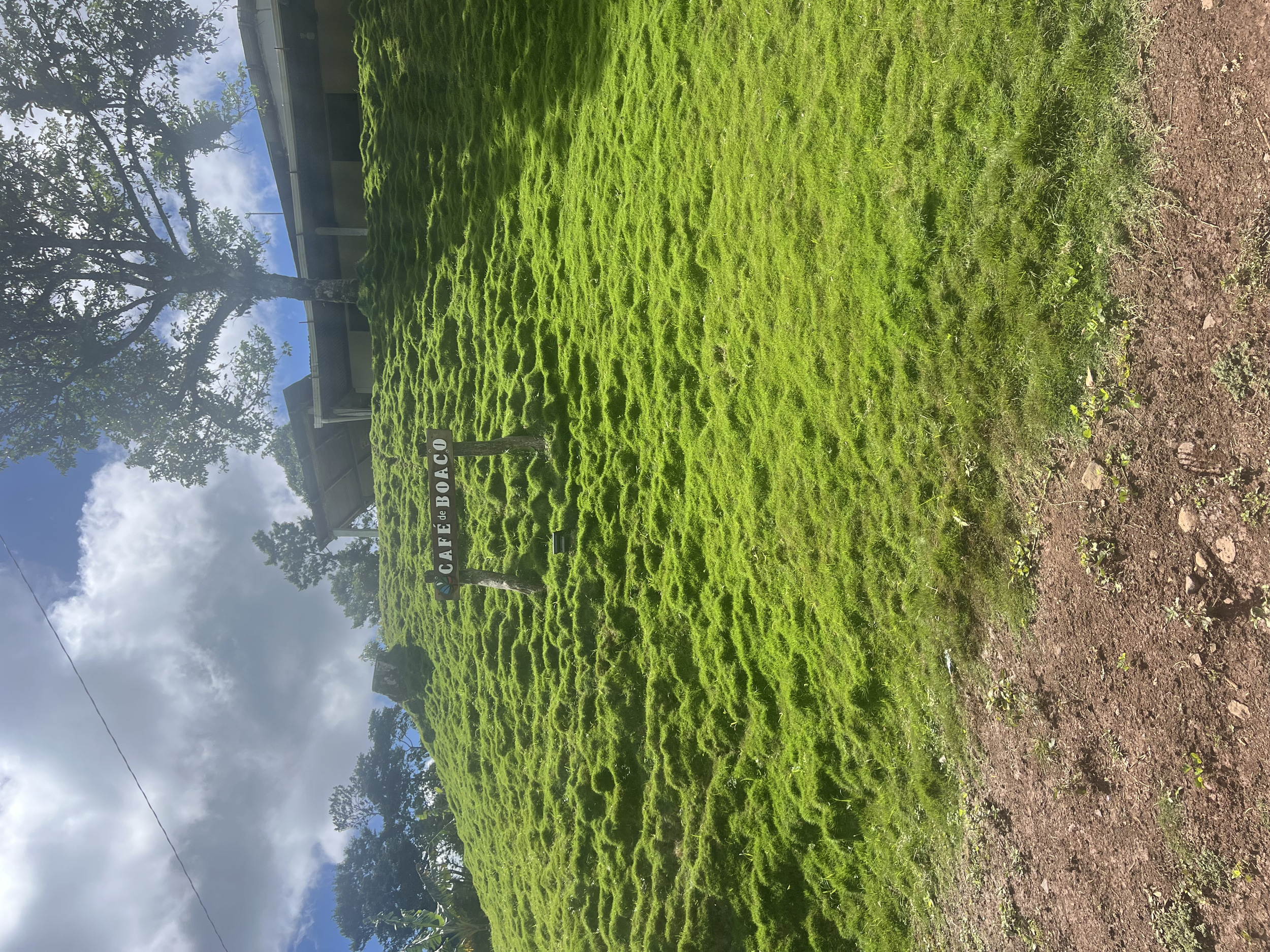

AGRICULTURAL & HUMAN PROJECT
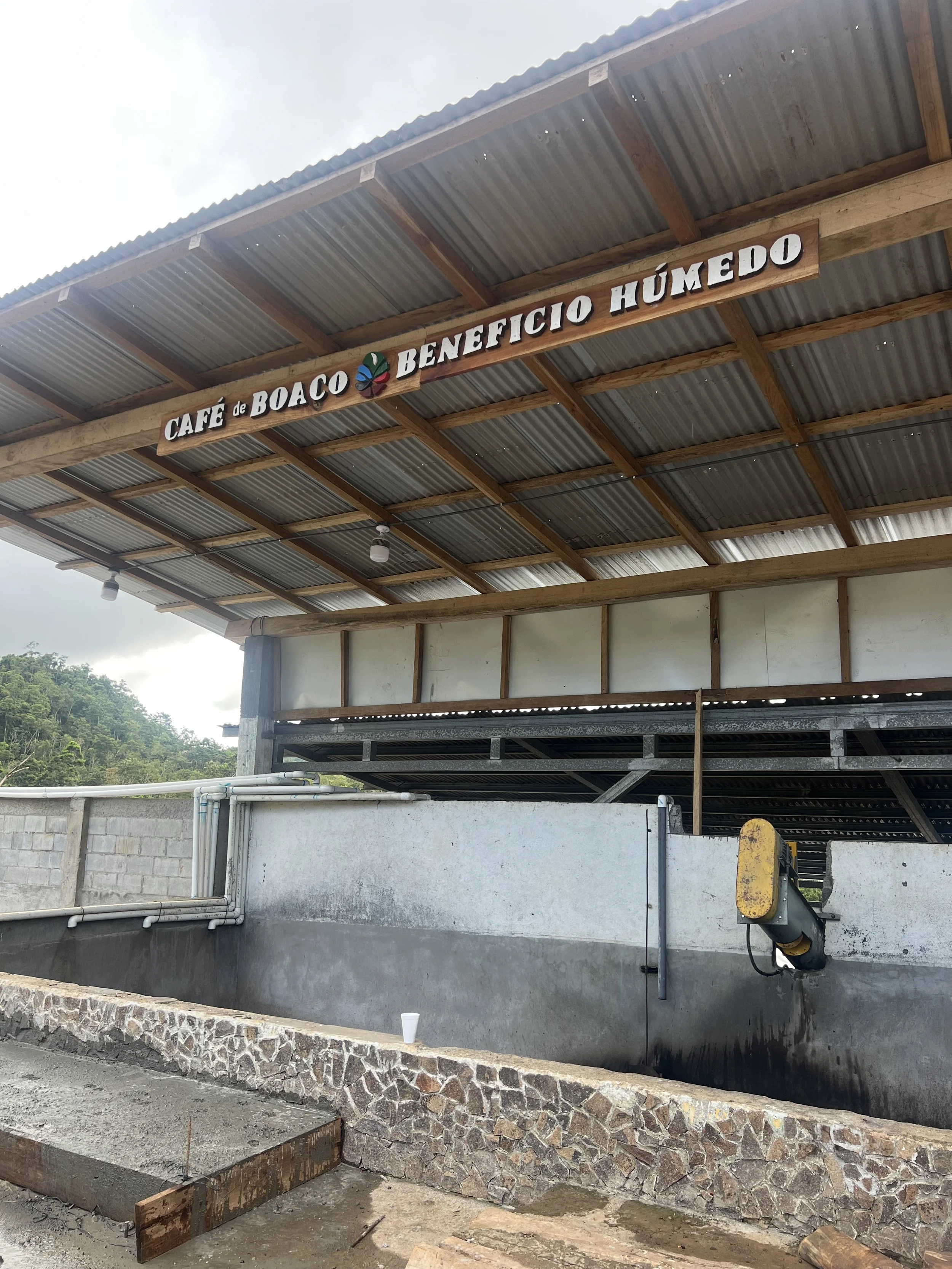
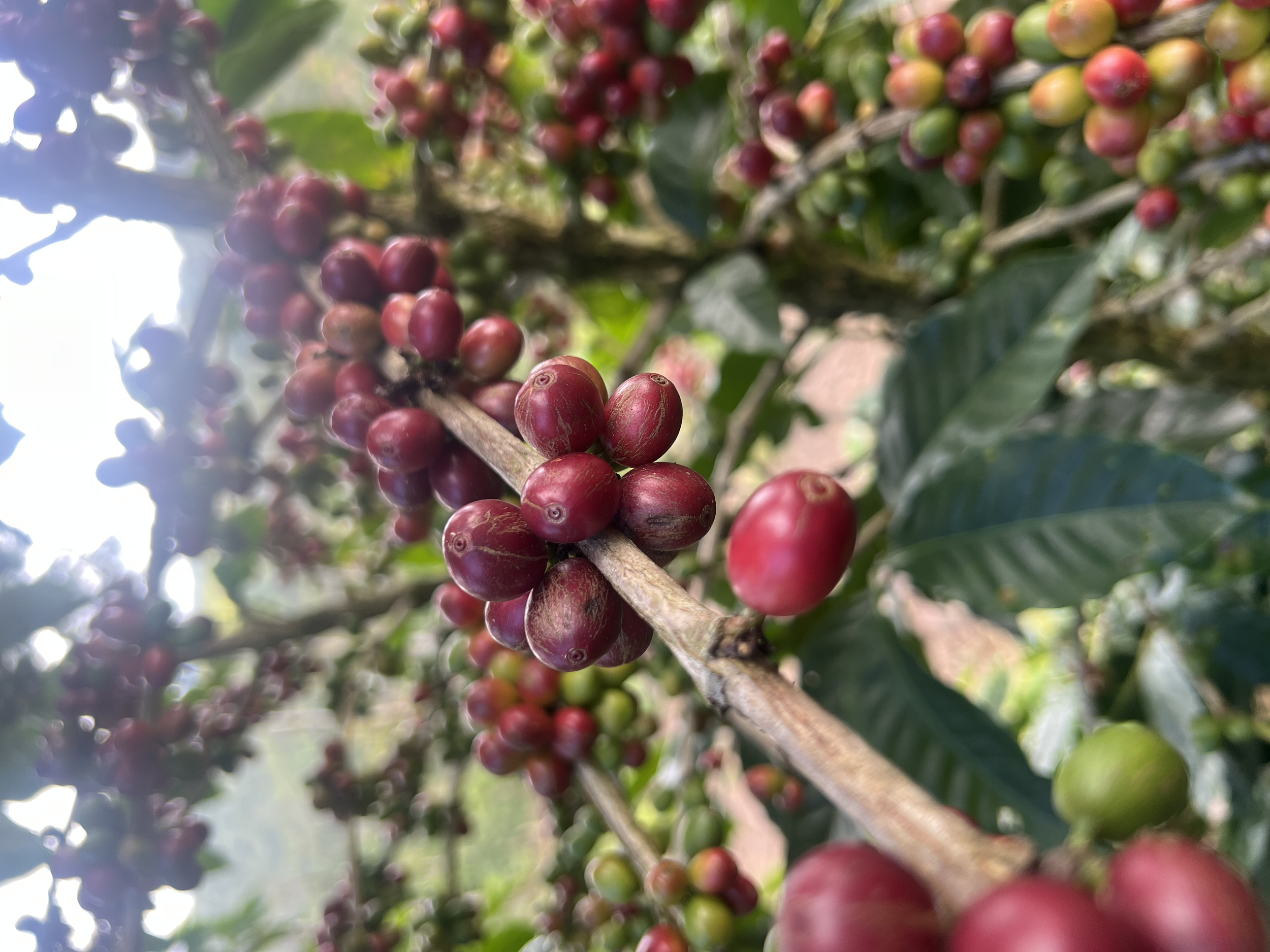
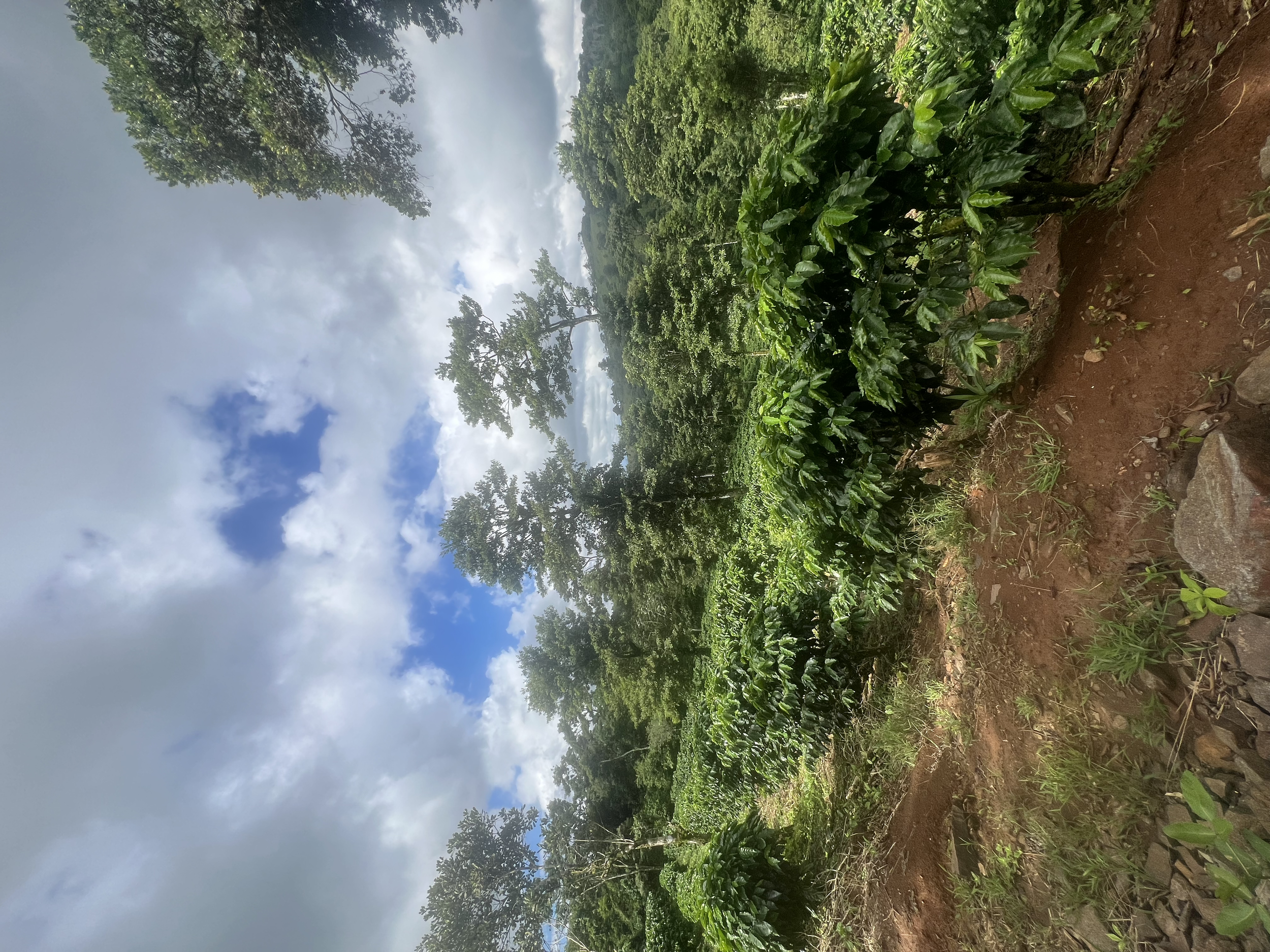
This farm spans 700 hectares of forest and shade-grown coffee.
The farm includes:
• 300 ha of native forest
• 150 ha of reforested forest
• 250 ha of shade-grown coffee
Coffee is an essential source of employment for the region. The farm employs 100 permanent workers and more than 200 seasonal workers during the harvest period (from November to January), who are transported daily by bus from various surrounding communities.
The farm is designed with the safety and well-being of workers in mind:
• flatter plots
• paths that avoid carrying heavy loads over long distances
• lower, more accessible coffee trees
• natural shade to reduce fatigue
• better ground visibility to avoid risks (such as snakes)
In this way, coffee becomes a means for young people to remain in their homeland, without needing to migrate.
——————————————————————————————
🌱 CULTIVATED VARIETIES
The farm focuses on varieties adapted to the climate and shade:
H1 Centroamérica hybrid, grafted onto robusta for greater vigor and resistance to leaf rust.
Marsellesa, progressively phased out due to its higher sensitivity and need for frequent treatments.
THE AGROFORESTRY SYSTEM
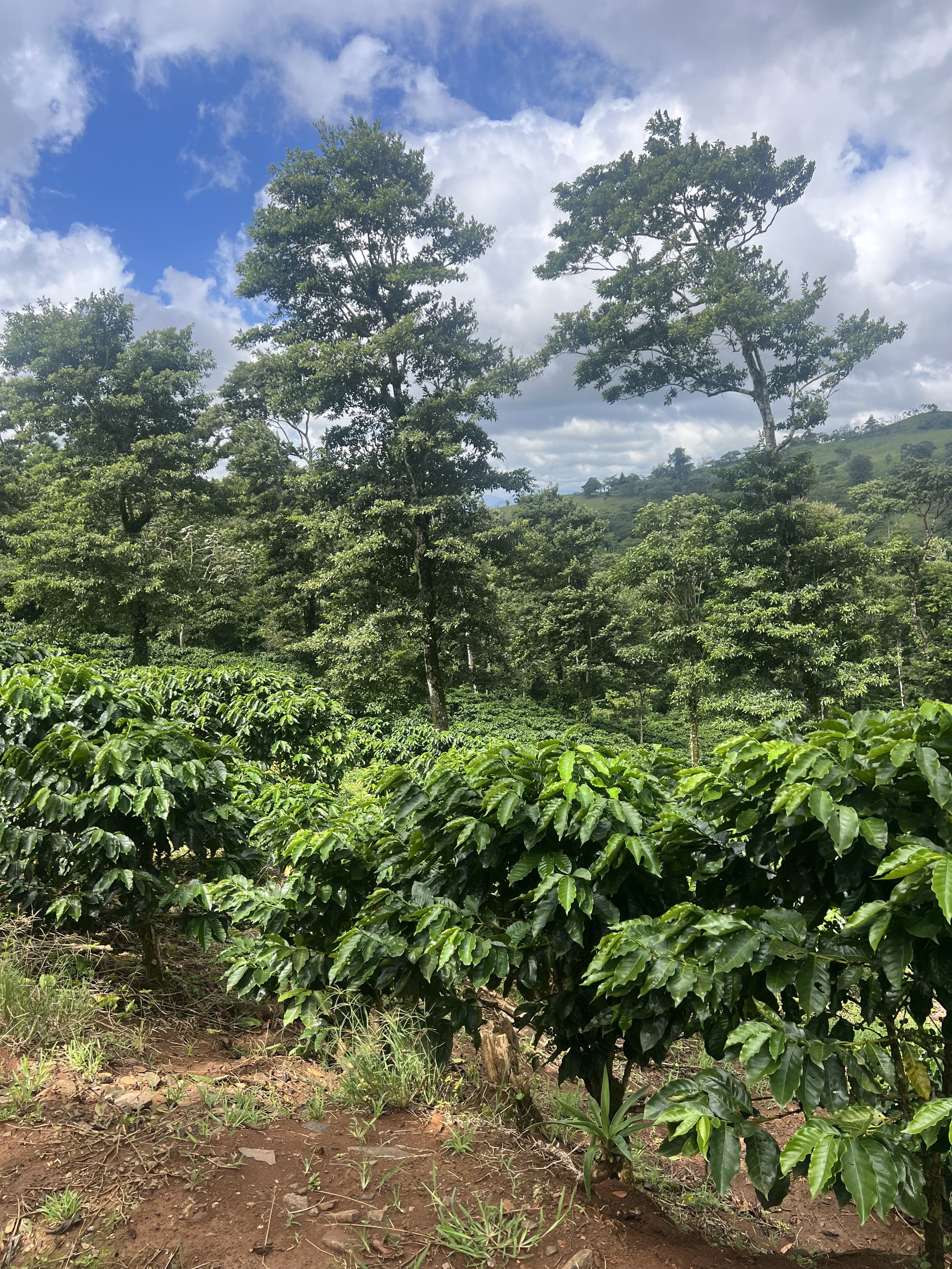
Here, coffee grows under approximately 20% shade, surrounded by 10 to 12 species of native trees.
The objective: for the forest and the coffee to strengthen each other.
Key principles:
• a mix of species to break pest cycles
• multiple layers of vegetation to host large raptors and small passerine birds
• plots designed to limit erosion
• soils always covered to retain water and feed the microfauna
• two years of rest between plantings to fully regenerate the soil
The farm does not fight coffee berry borer (the most devastating coffee pest) with chemicals: birds carry out the control. Between 12 and 14 predator species naturally regulate this pest — an extremely effective model.
Herbicide use is reduced to the minimum, fungicides are limited, and the agroforestry system results in coffee plants that are more resilient, stable, and better prepared for climate change.
Farm Area Distribution (%)
CONSERVATION & BIODIVERSITY
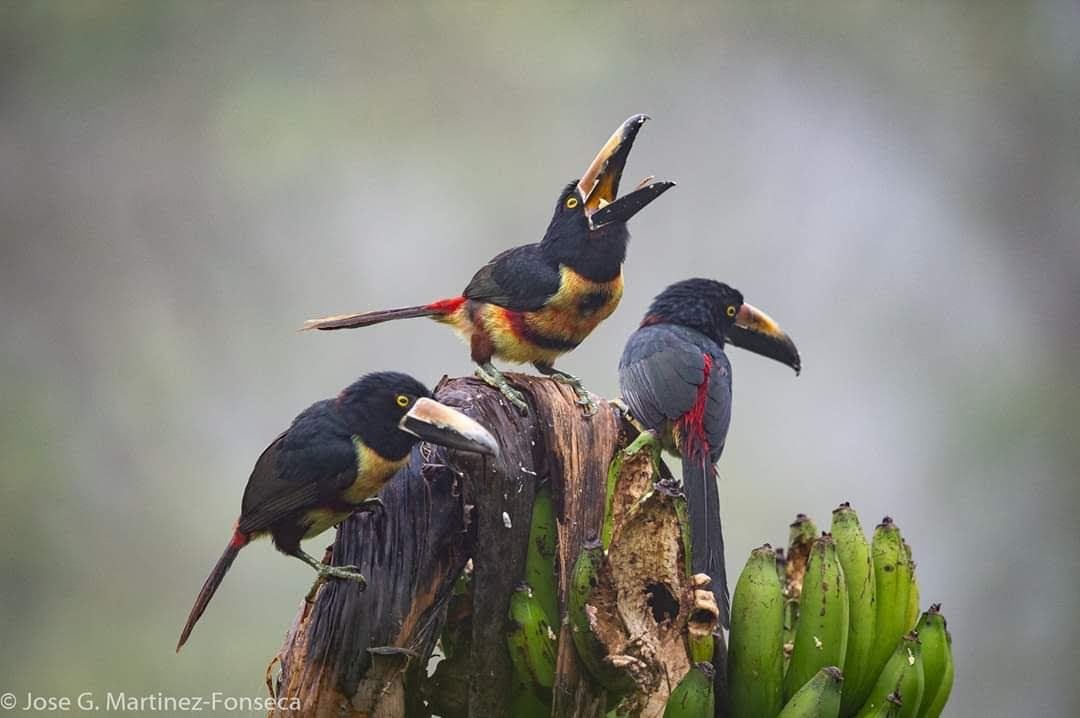
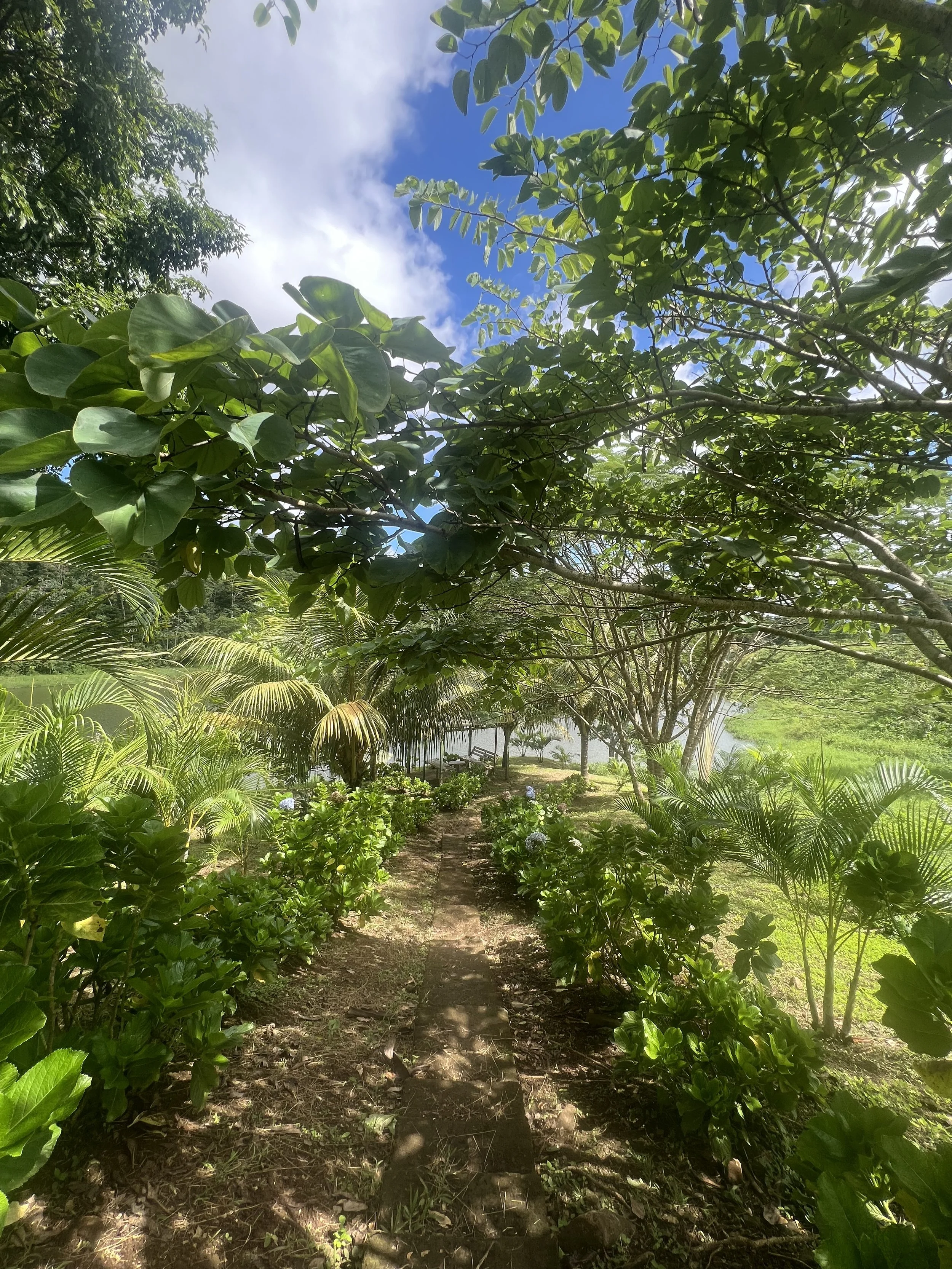
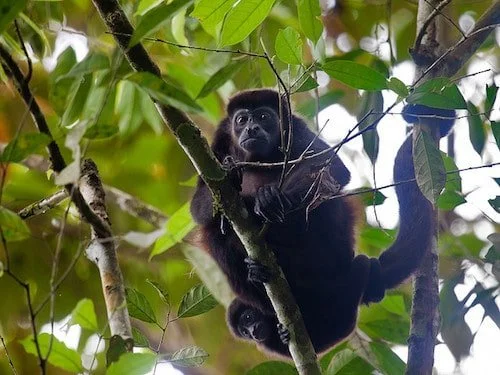
With the support of several partners (Cornell Lab of Ornithology, More People More Trees, Nestlé & Nespresso, ECOM Nicaragua), the farm carries out regular scientific monitoring:
° Biodiversity inventories (more than 110 bird species recorded)
• Analysis of forest habitat evolution
• Measurement of the role of birds as biological control agents
• Monitoring the effectiveness of ecological corridors
Here, biodiversity does not simply “exist”:
it provides a measurable and useful ecosystem service to production.
One of Edgardo’s goals is to link forest fragments so that birds and monkeys can move freely and access essential resources (food, shelter, reproduction).
In a region where rivers are drying up, no crops are planted along riverbanks, and water sources are protected (20 meters away).
Starting in 2026, a composting machine will allow the transformation of coffee husk and biochar (from the farm’s wood) into compost to regenerate soils and increase their carbon storage capacity.
THE BOACO COFFEE
-
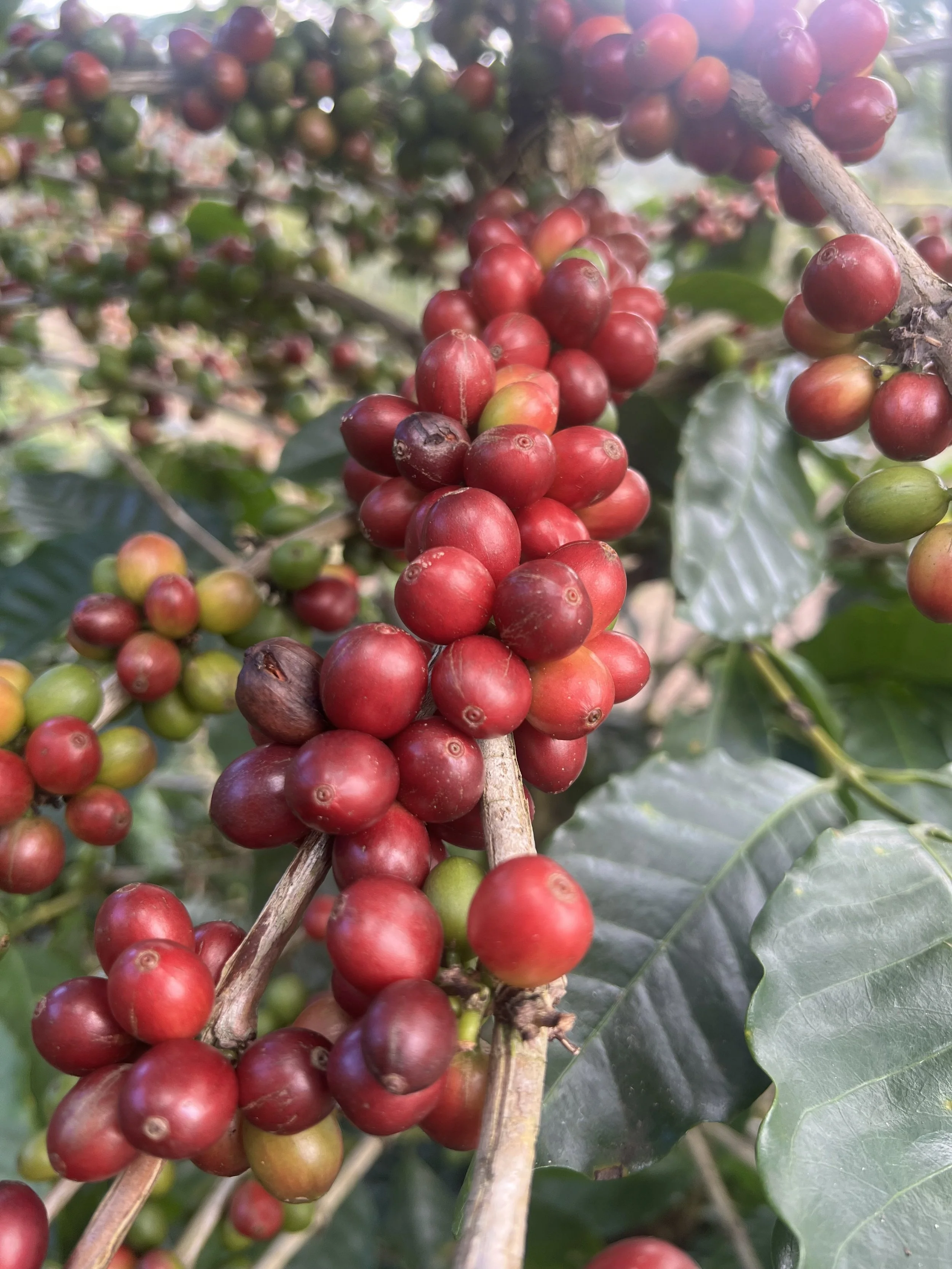
WHY IS THIS COFFEE DIFFERENT?
Because it comes from a farm where:
° More than half of the land is forest
° No insecticides are used
° Soils are regenerated
° Birds protect the coffee — and coffee protects the birds
° Local communities find stable employment -
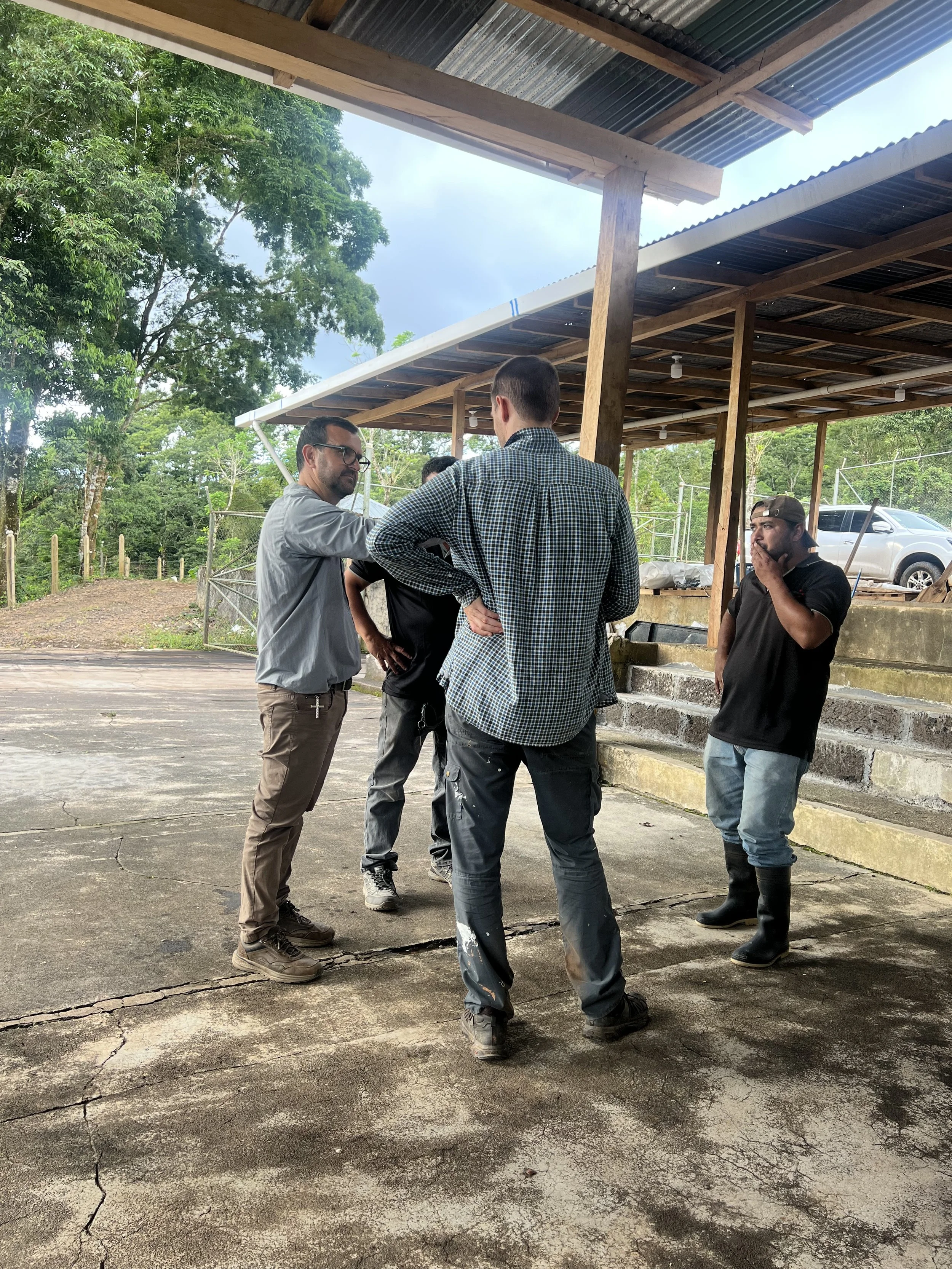
RELATIONSHIP WITH TREERICH COFFEE
This collaboration is based on a shared vision - making coffee a tool for ecological and social regeneration.
Treerich allows Finca Boaco to:
° Develop its specialty coffee line by selling it at its real value
° Improve post-harvest processes (fermentation) to increase quality and value
° Create a direct link with committed roasters
° Showcase a measurable and replicable agroforestry model
° Finance scientific monitoring (Cornell, More People More Tree)
° Ensure full traceability and a strong story to communicate to roasters and final consumers
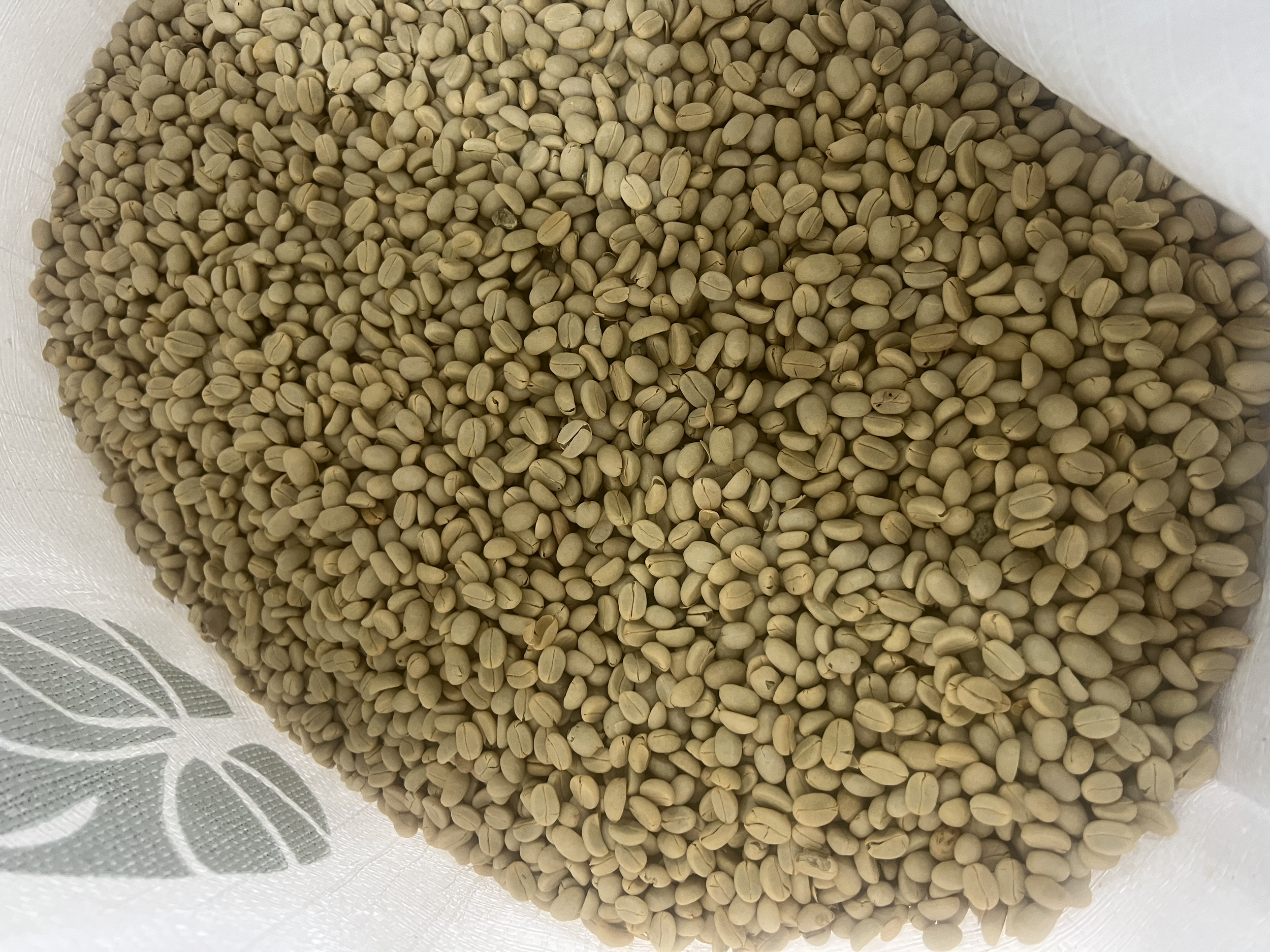
Discover the green coffees
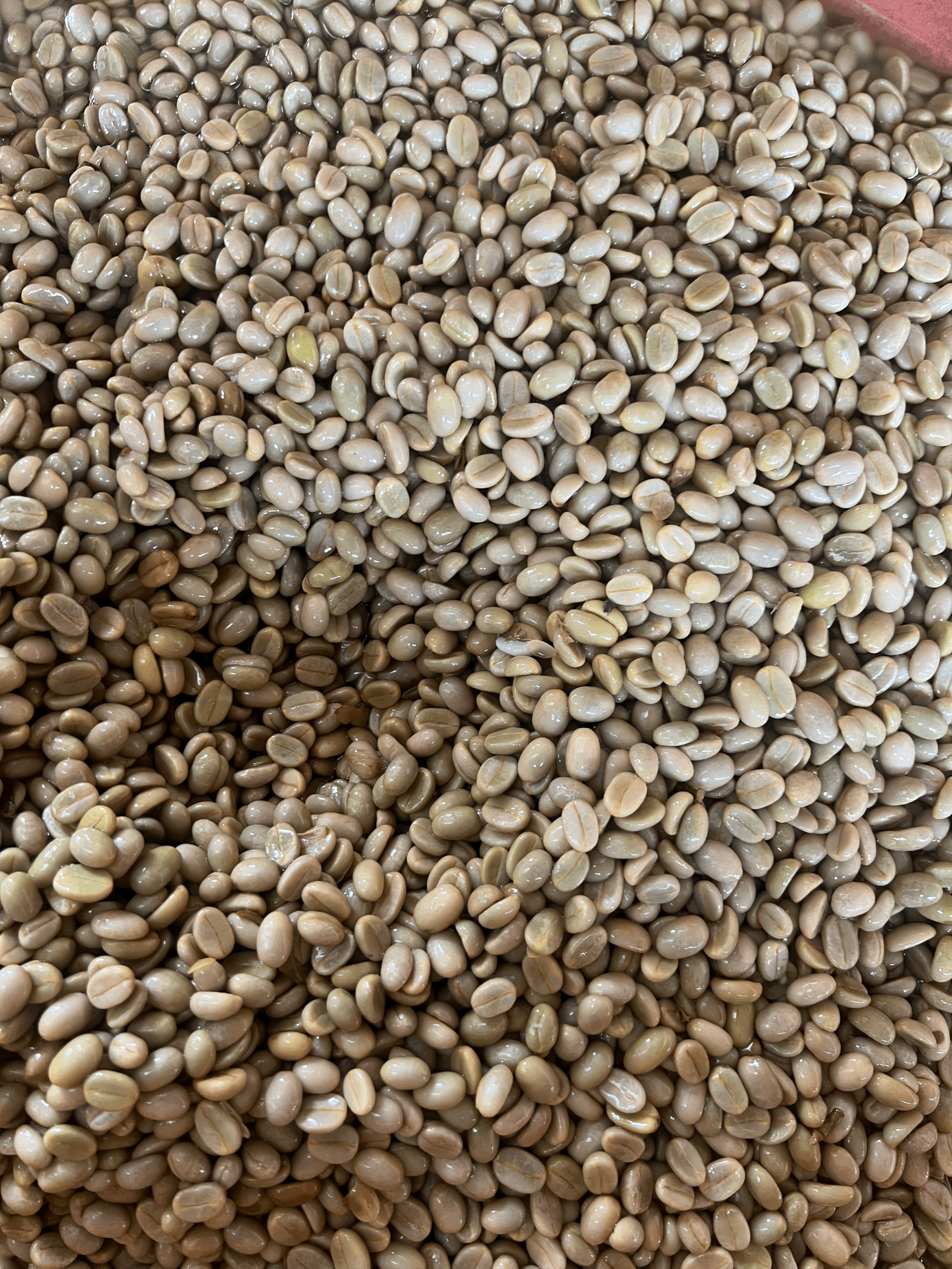
H1 Washed
-
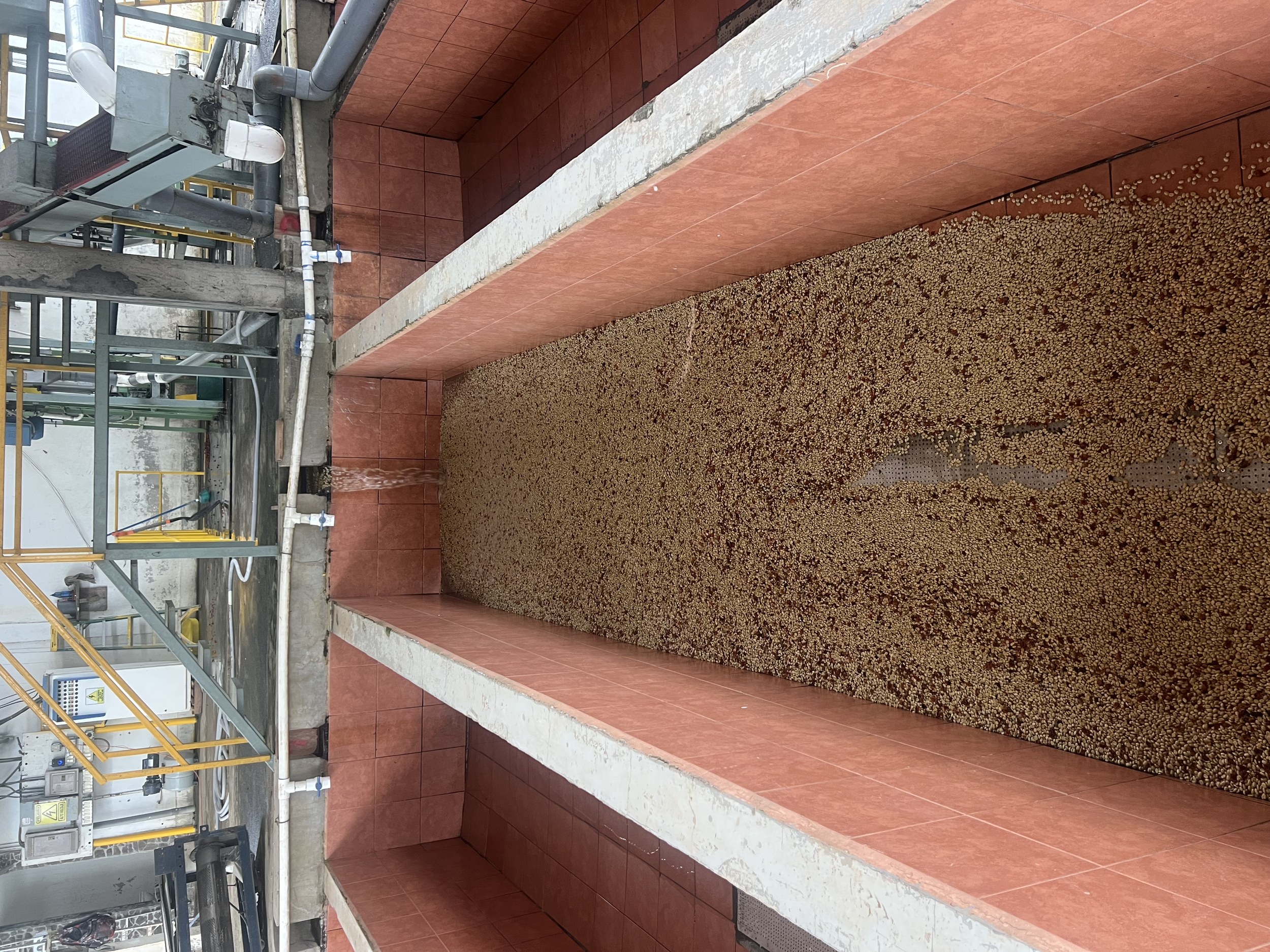
Pulping, submerged fermentation
-
Lot 1 – Bright, citrusy acidity; very sweet, clean, and elegant cup — 84.25 pts
Lot 2 – Bright, citrusy acidity; sweet and balanced cup; hazelnut and cocoa in the finish — 84 pts
Lot 3 – Notes of rose, blackberry, and cherry; creamy, balanced body — 84.5 pts
Lot 4 – (tasting notes not yet reported)
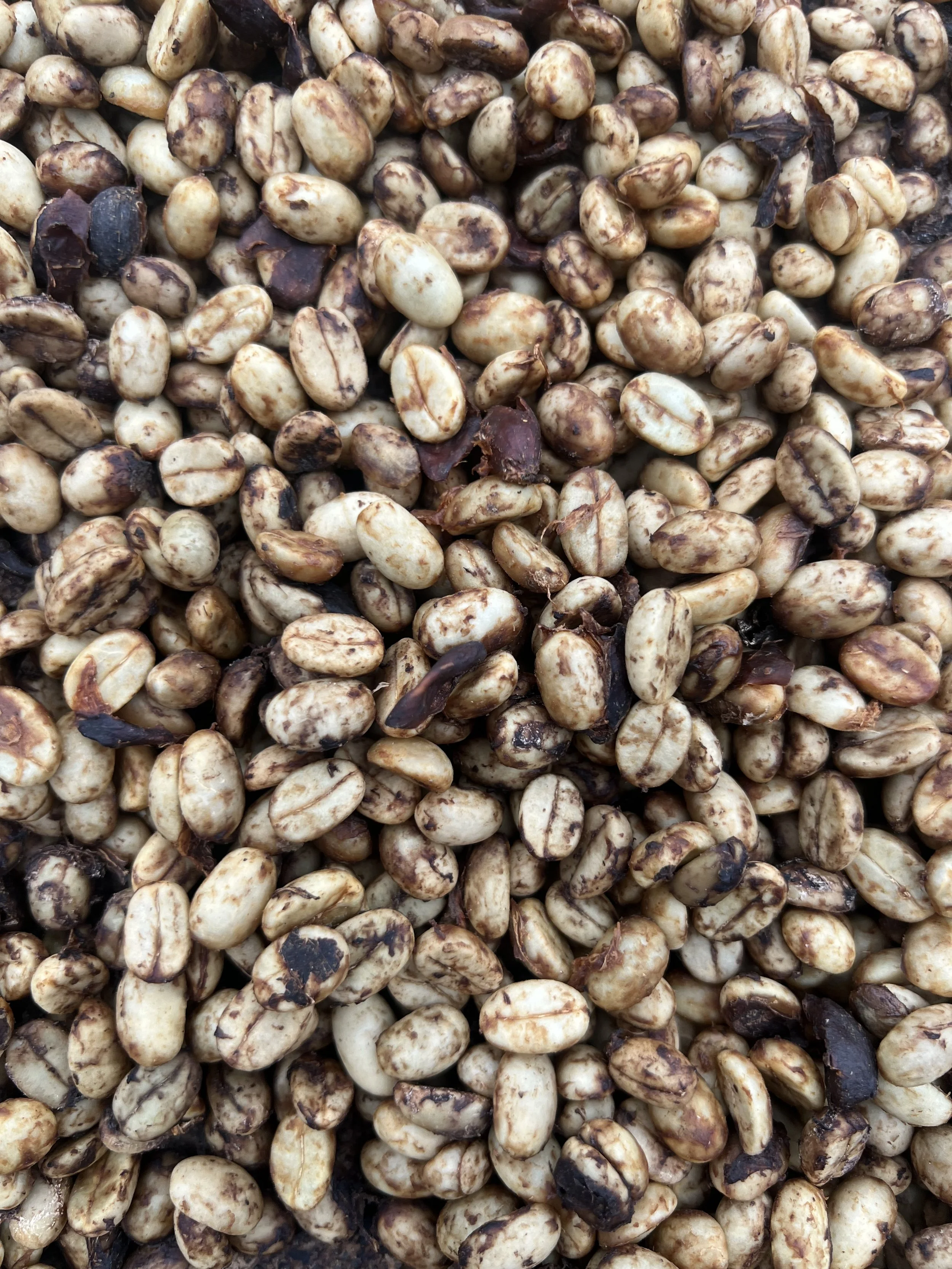
H1 Black honey
-
Cherry harvest: November 19
Pulped — Honey (Intenso yeast)
Fermentation duration for this lot: 71.5 hours
Drying duration: 66 hours -
Red fruits, cherry, very juicy
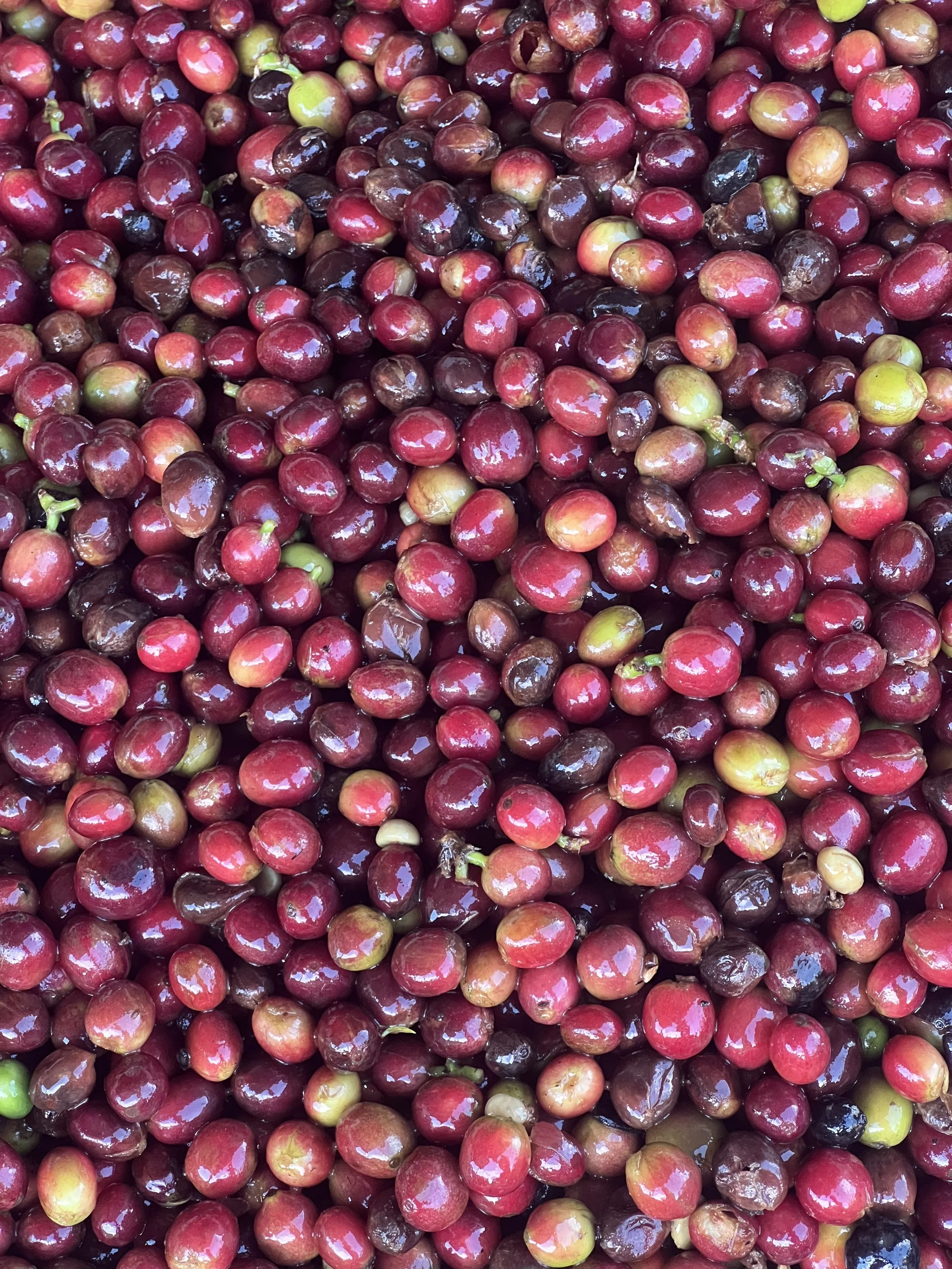
H1 Nature Anaerobic
-
Lot 1: Cherries submerged in water with added yeast.
Lot 2: Dry cherries, without water or yeast. -
Lot 1 - Tamarindo, cereza, lúpulo; acidez vinosa; cacao nibs 84.75
Lot 2 -
Our first Collaboration
In 2025, Treerich Coffee selected a H1 container from Finca Boaco, Nicaragua, with the producer.
To ensure quality, Tobias, a post-harvest consultant, spent 15 days on the farm, guiding every step of fermentation.
From Cherry to Bean
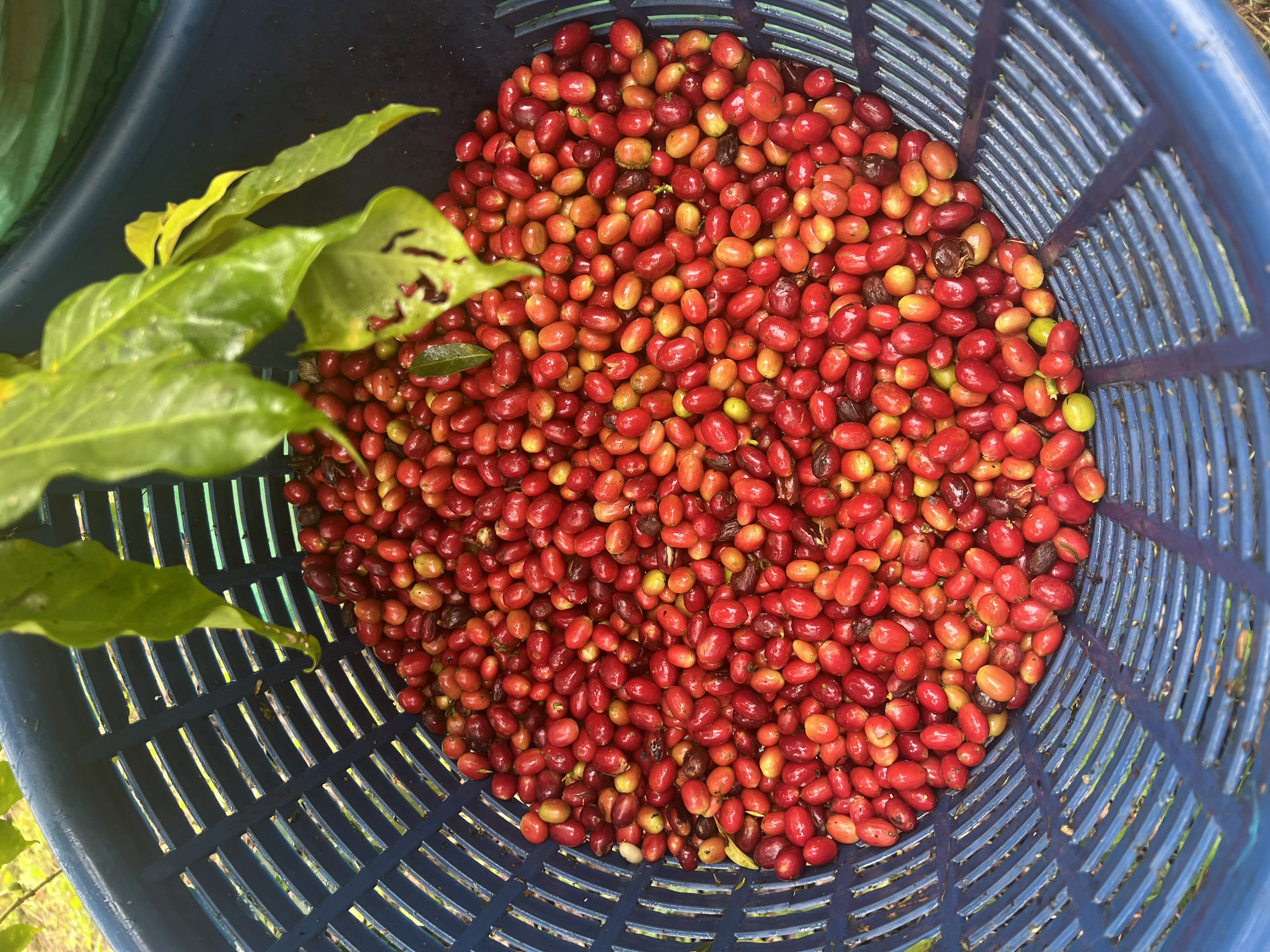
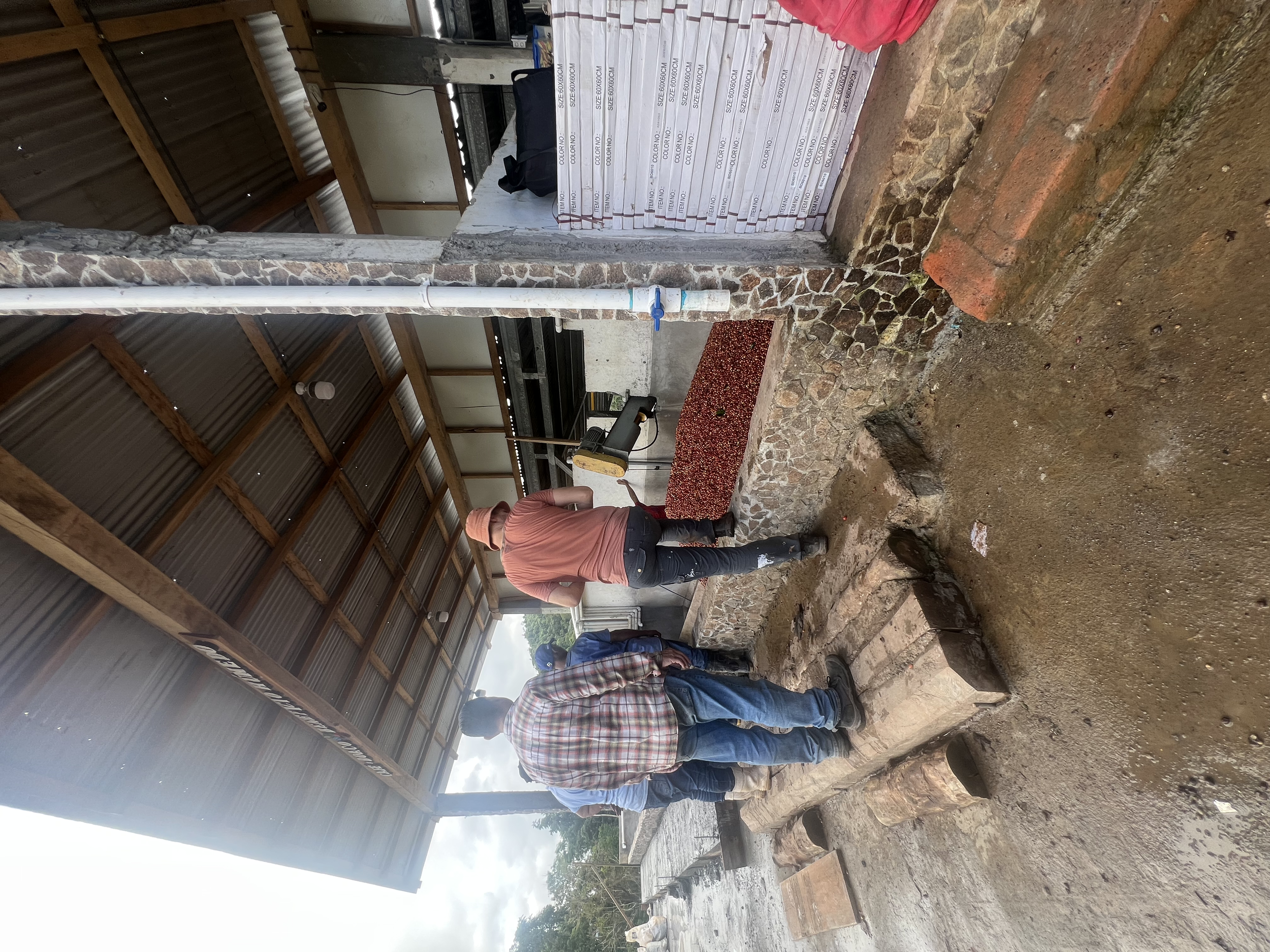
Harvest starts early. Cherries arrive at the wet mill in the afternoon and are immediately depulped. Nothing is wasted: the pulp is reused as compost and energy for the dryer.
Washed with controlled fermentation
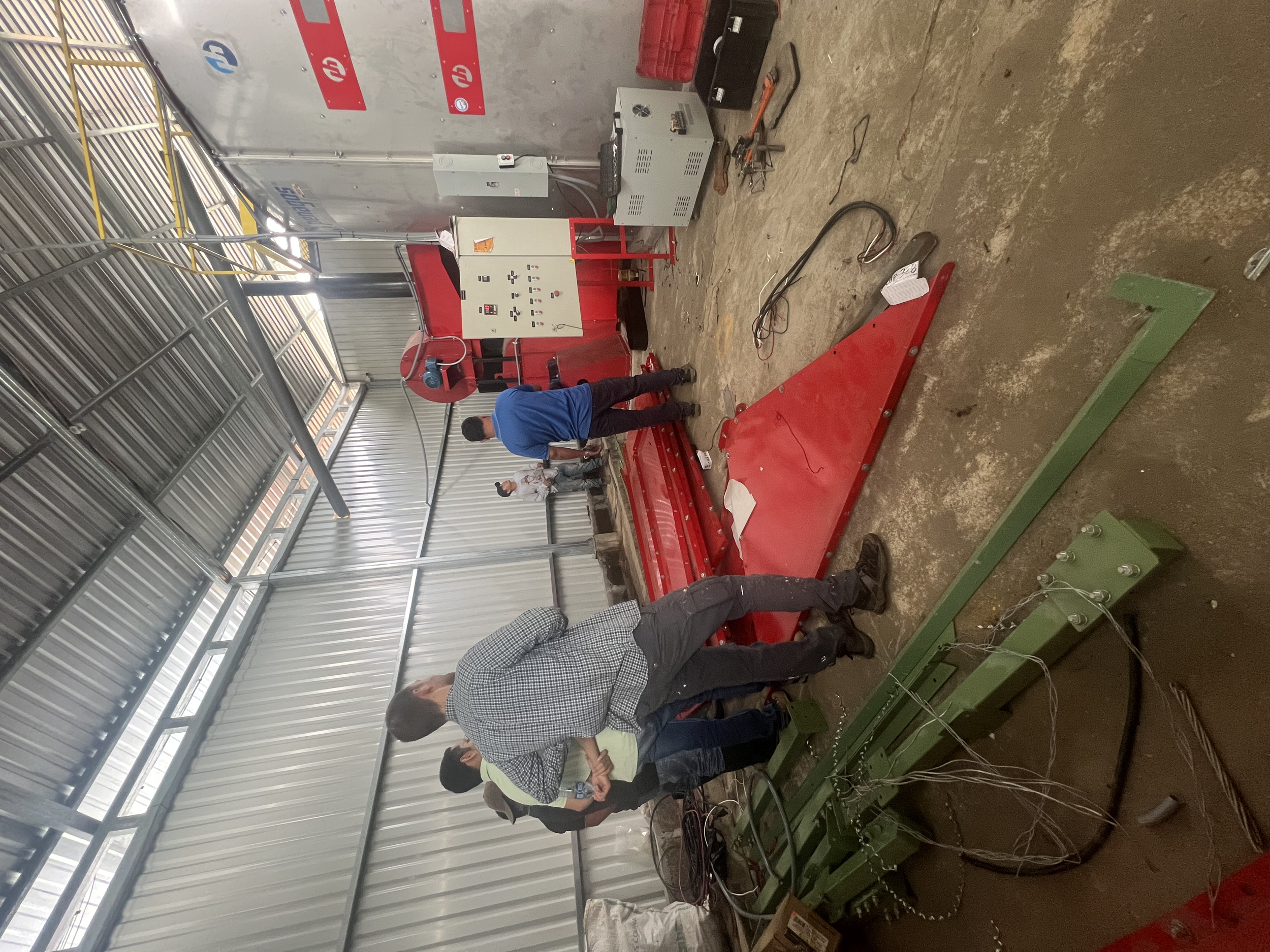
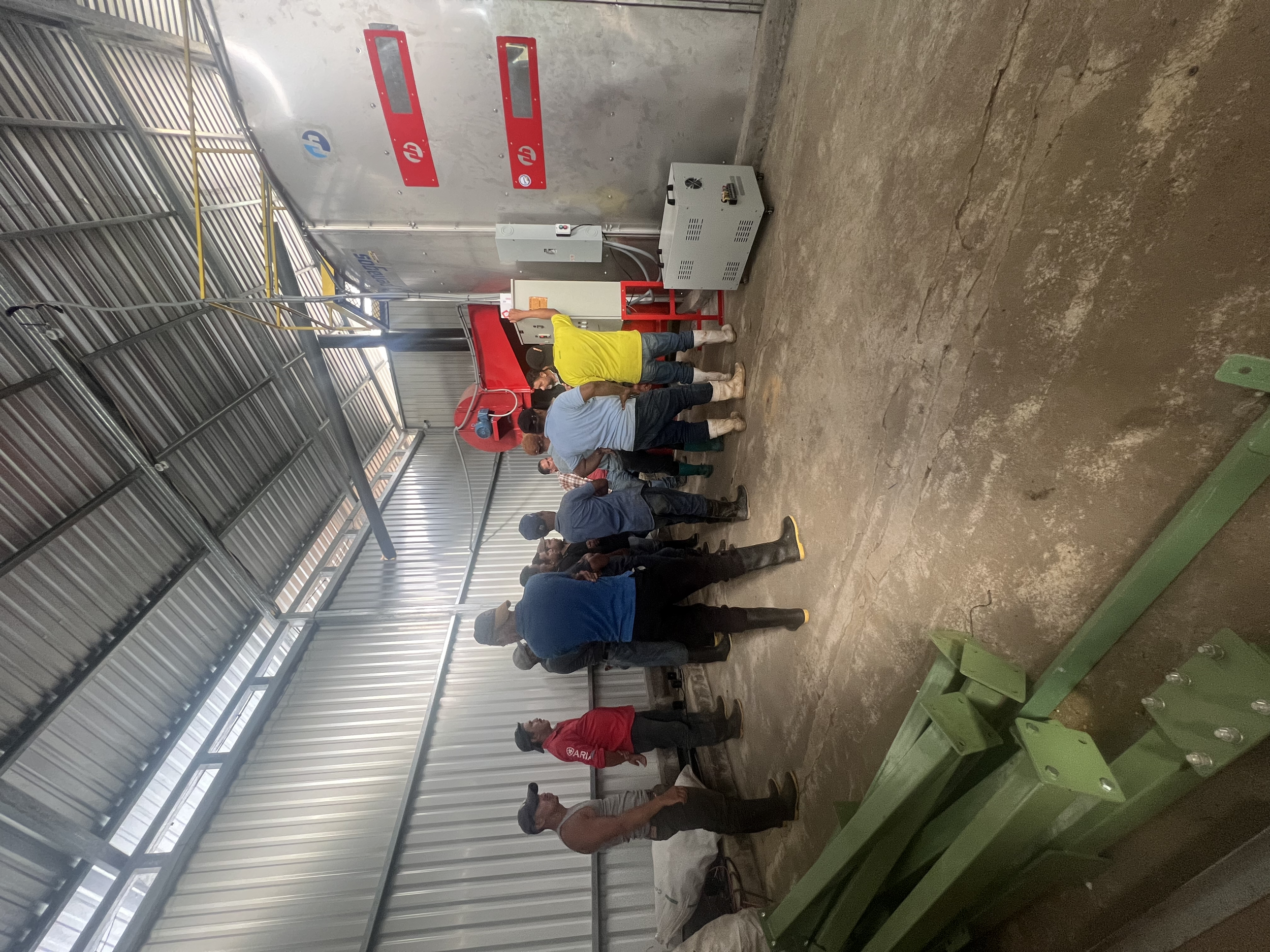
The coffee is washed with selected yeasts and dried in a semi-automatic dryer, with humidity monitored to control temperature and timing.
This process produces a clean, balanced, smooth coffee with beautiful aromatic complexity.
Black Honey process
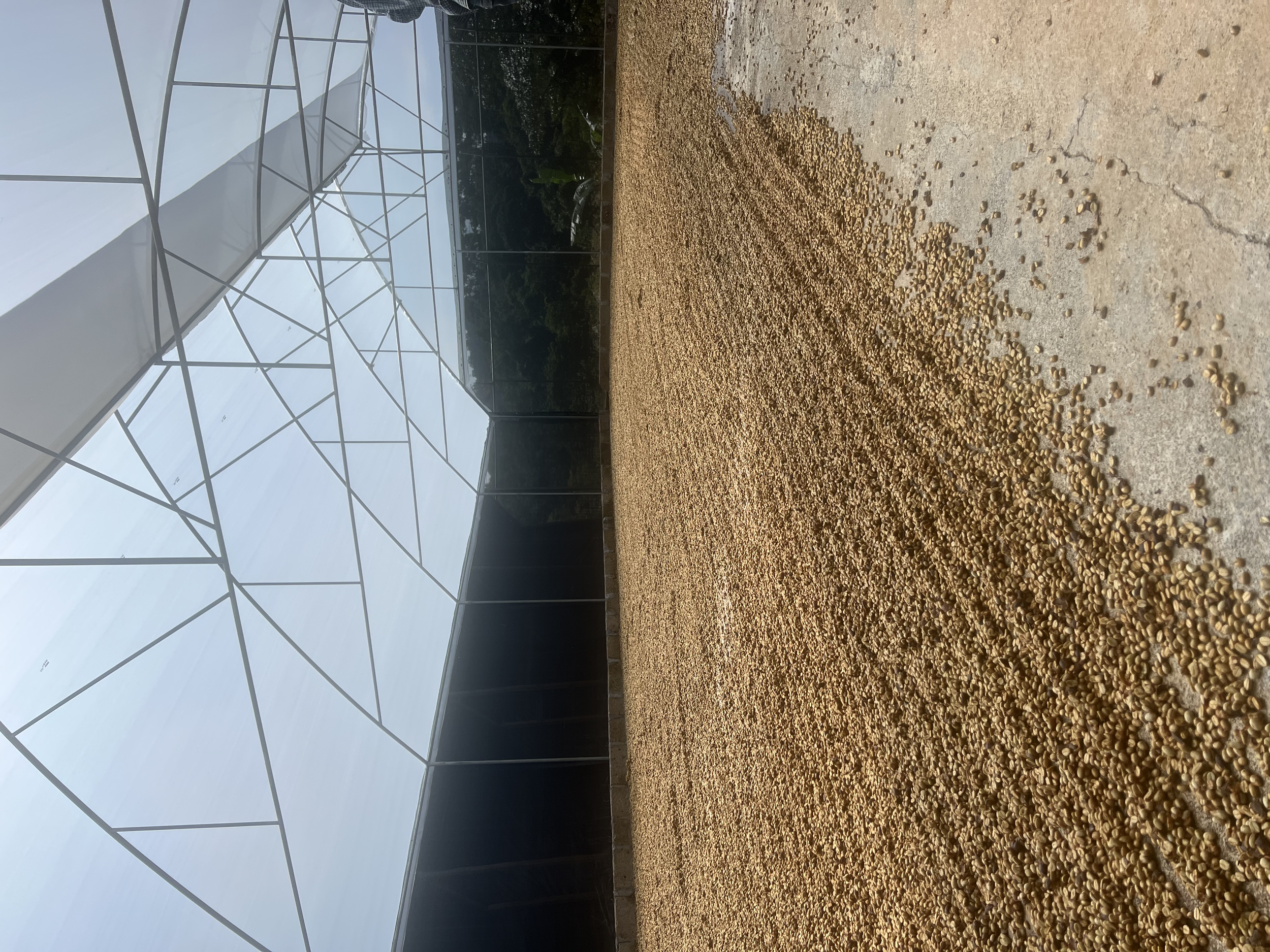
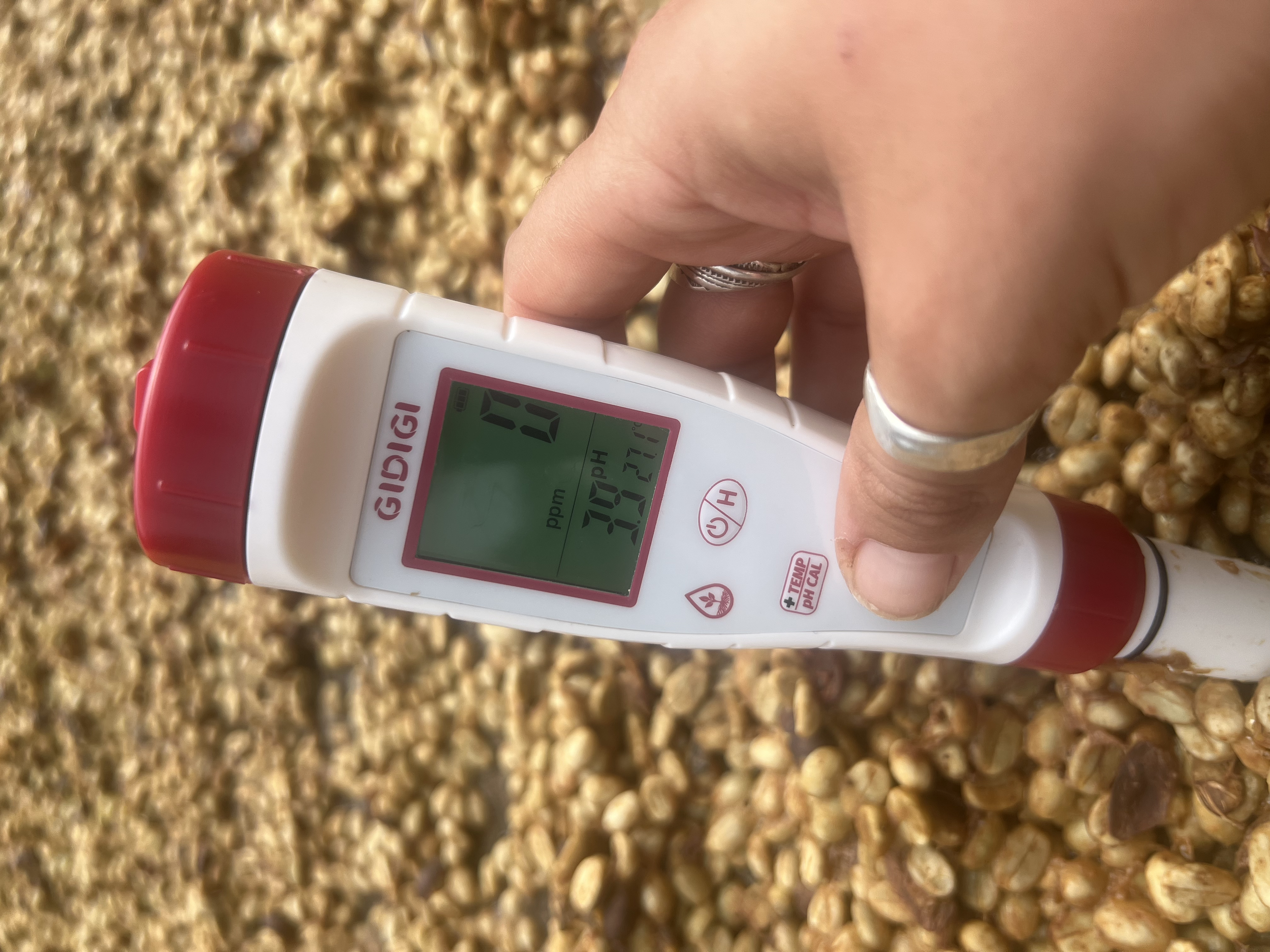
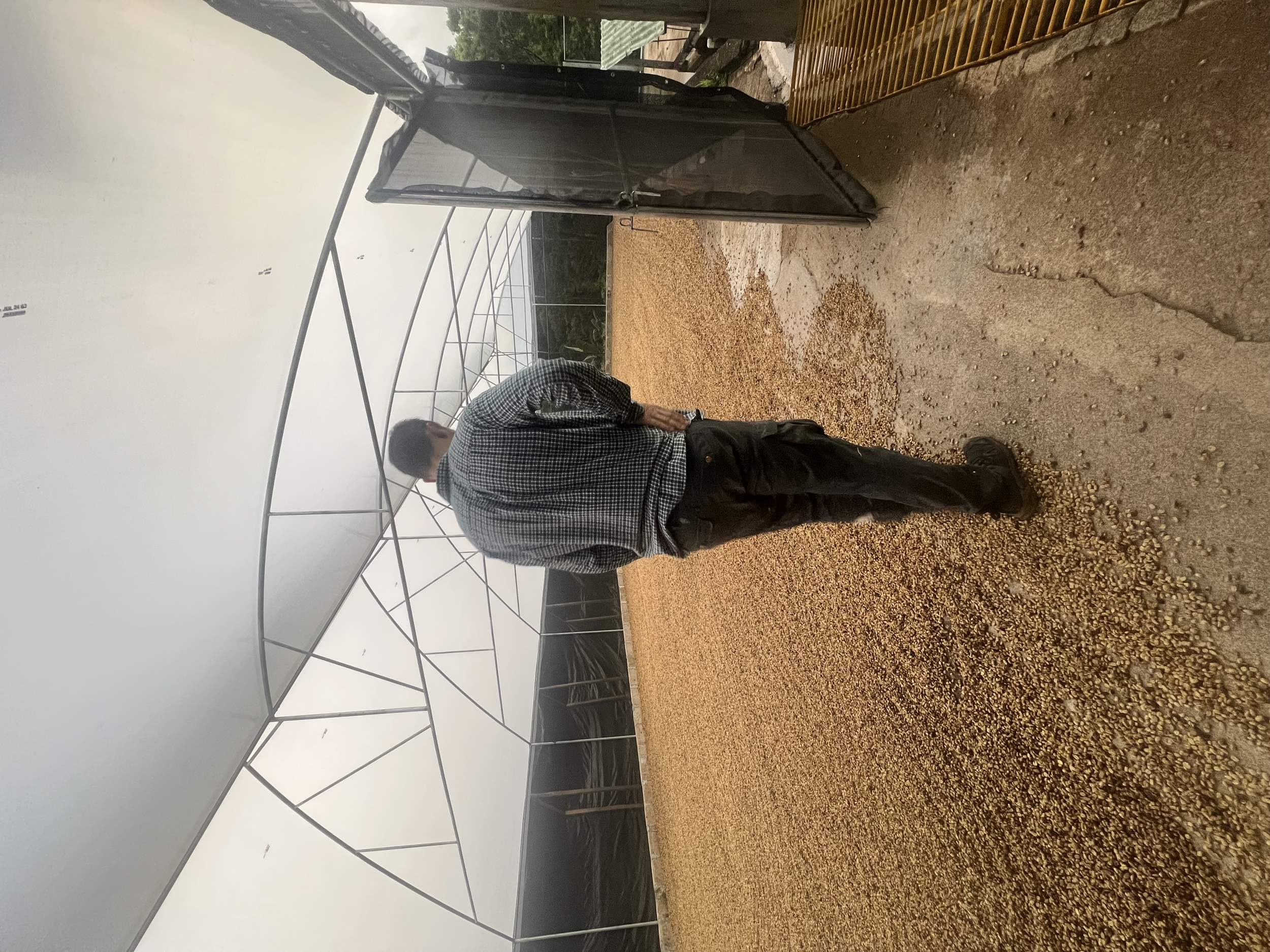
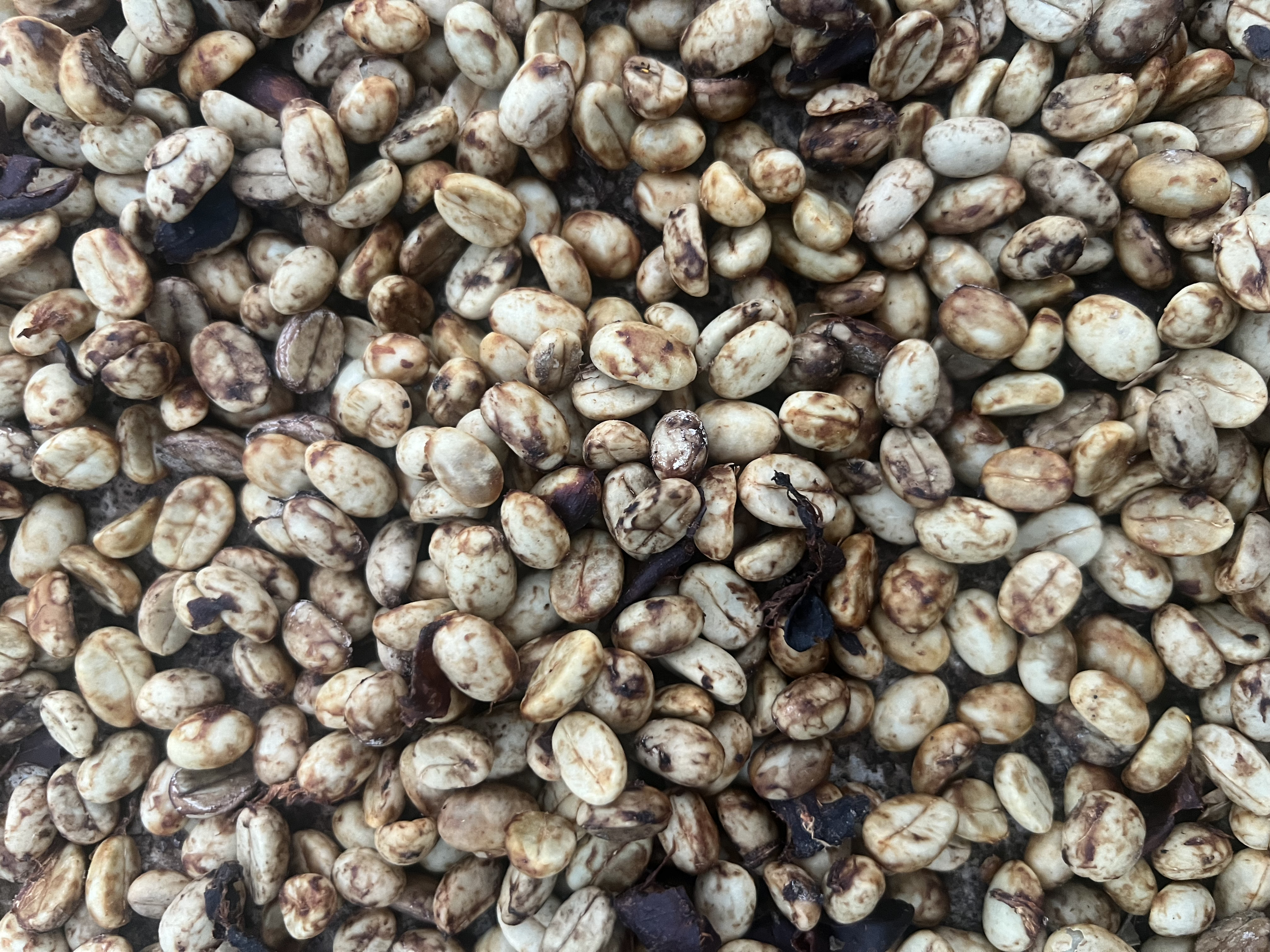
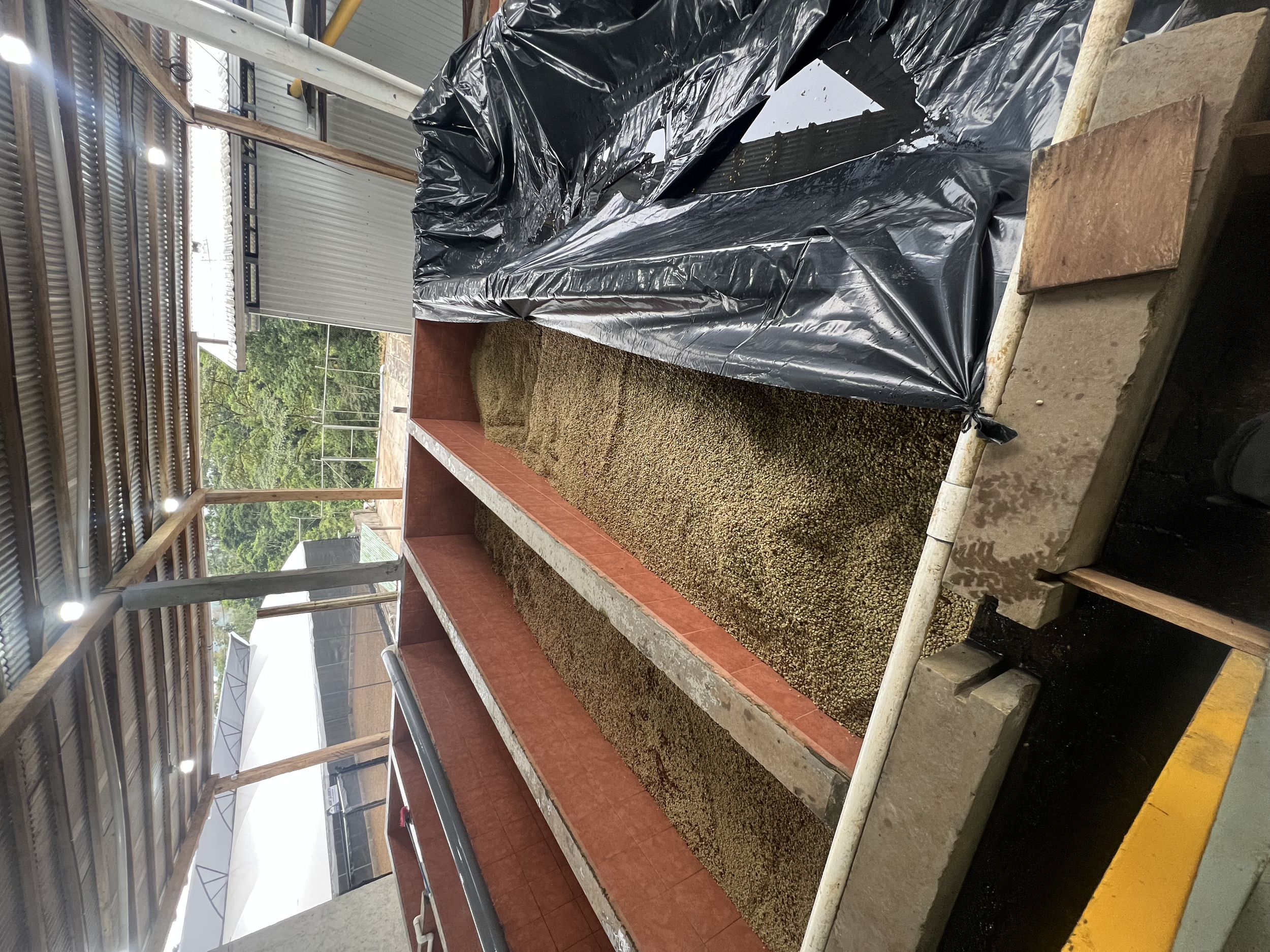
Some lots are processed using the Black Honey method, keeping the mucilage on the beans. They dry in a greenhouse, with yeasts added for even fermentation. The team turns the beans five times a day, checking temperature, pH, and aroma.
The coffee develops sweet, layered notes with a bright acidity.
Natural - anaerobic fermentation
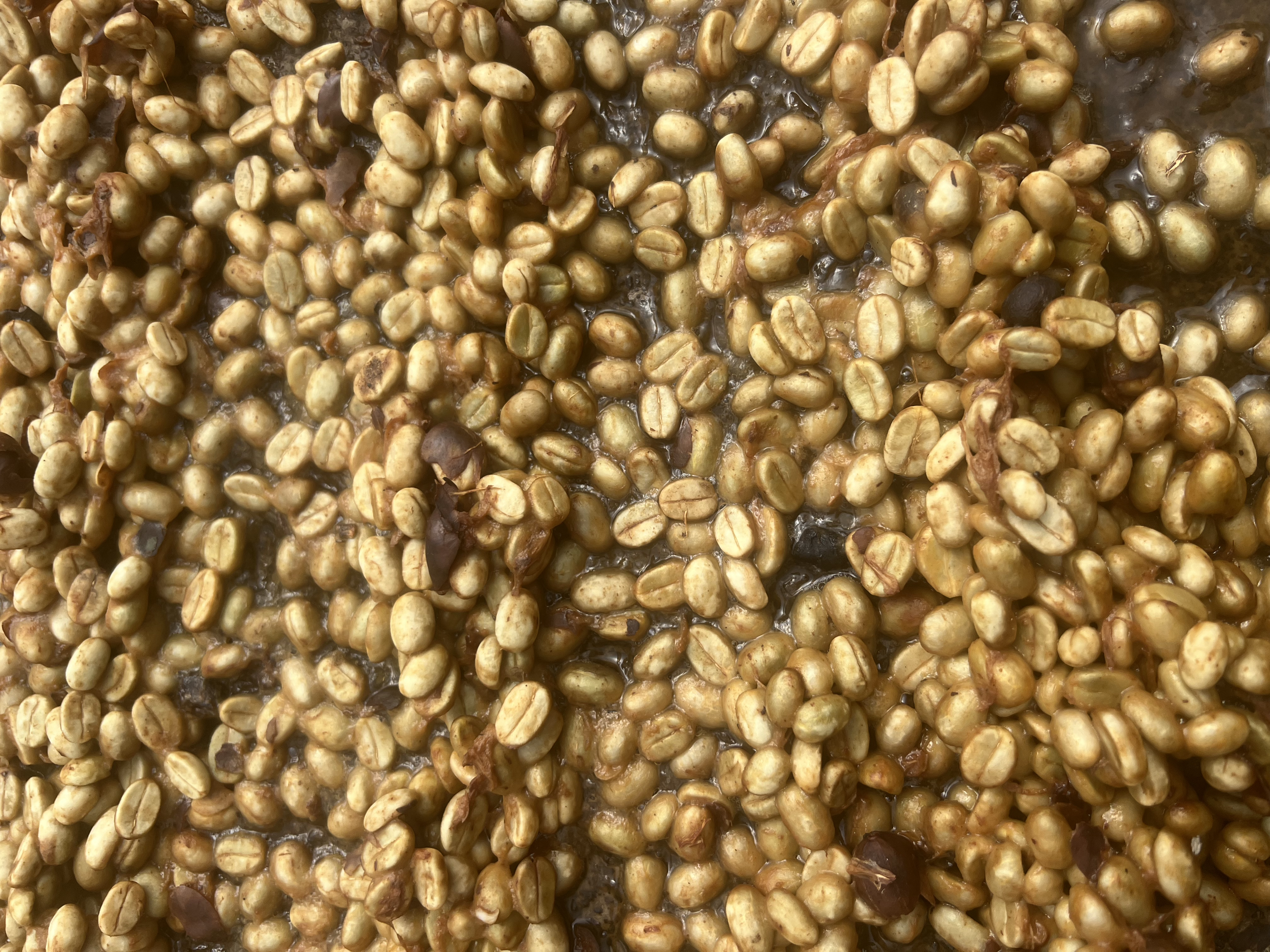
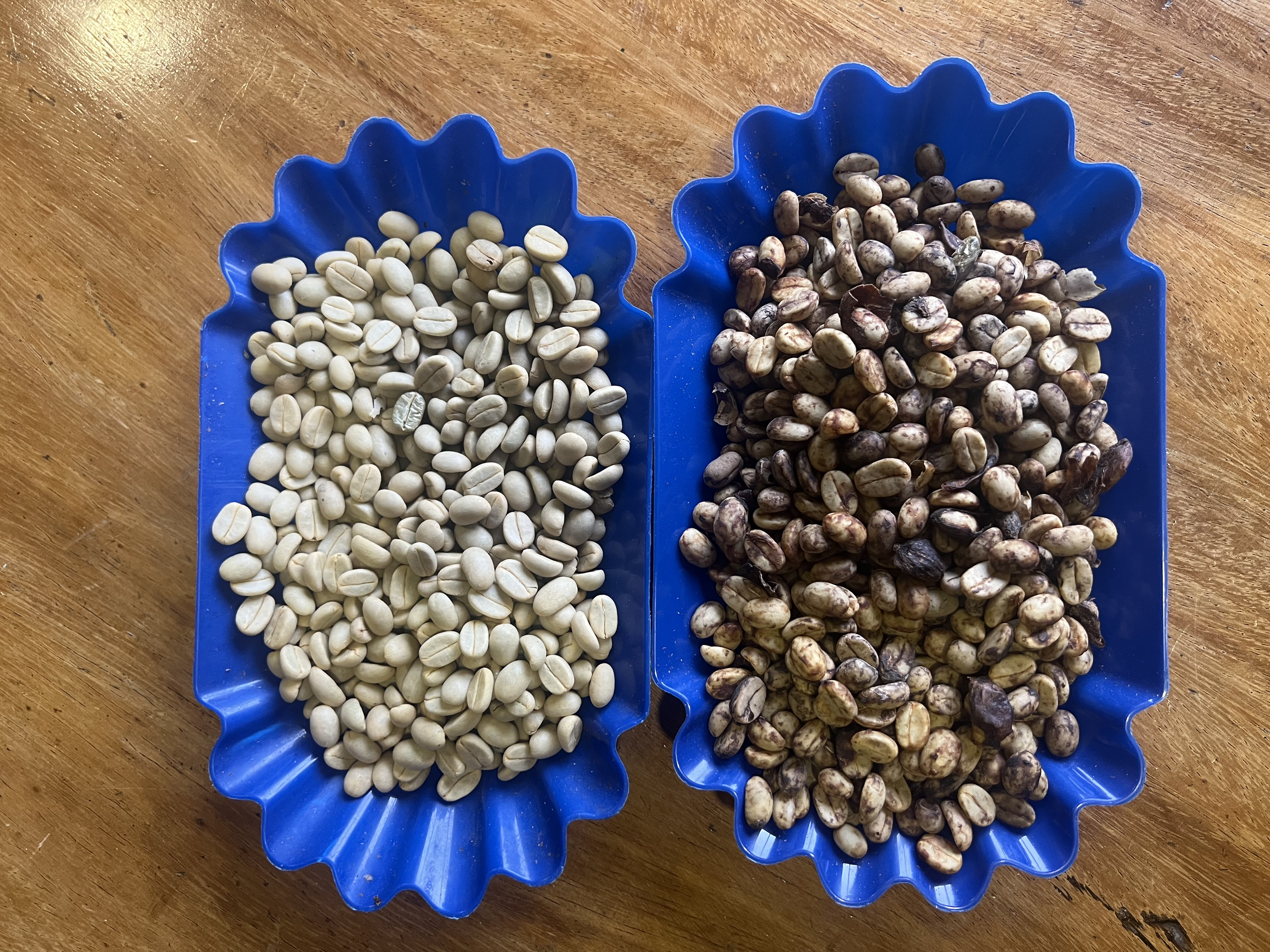
Whole cherries are fermented either in water with added yeasts or dry, without water. Covered to promote anaerobic-dominant fermentation, the process is closely monitored. After several days, the cherries are depulped while keeping the mucilage, then dried with regular control of humidity and temperature.
The result is a very fruity coffee with balanced acidity.
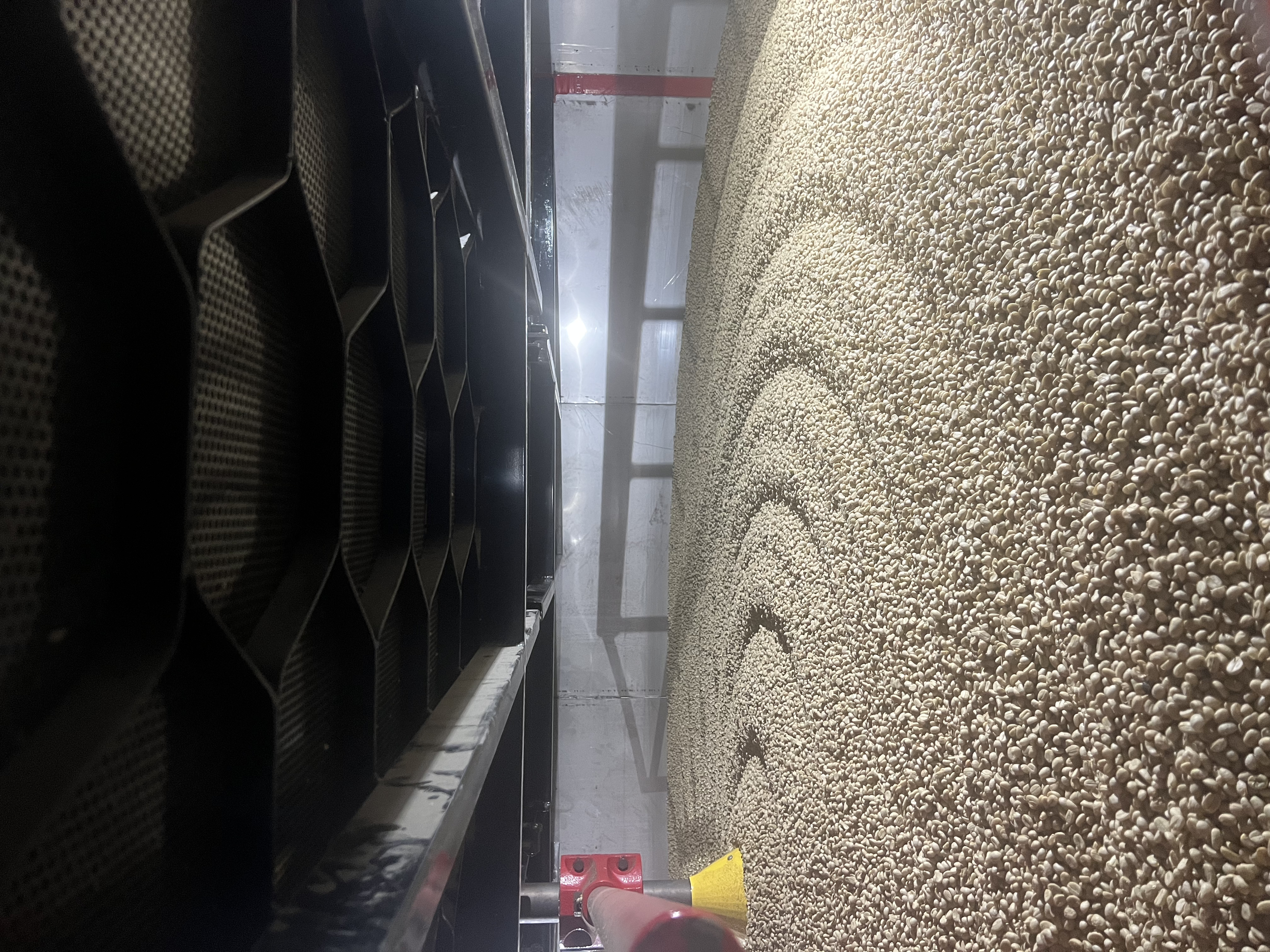
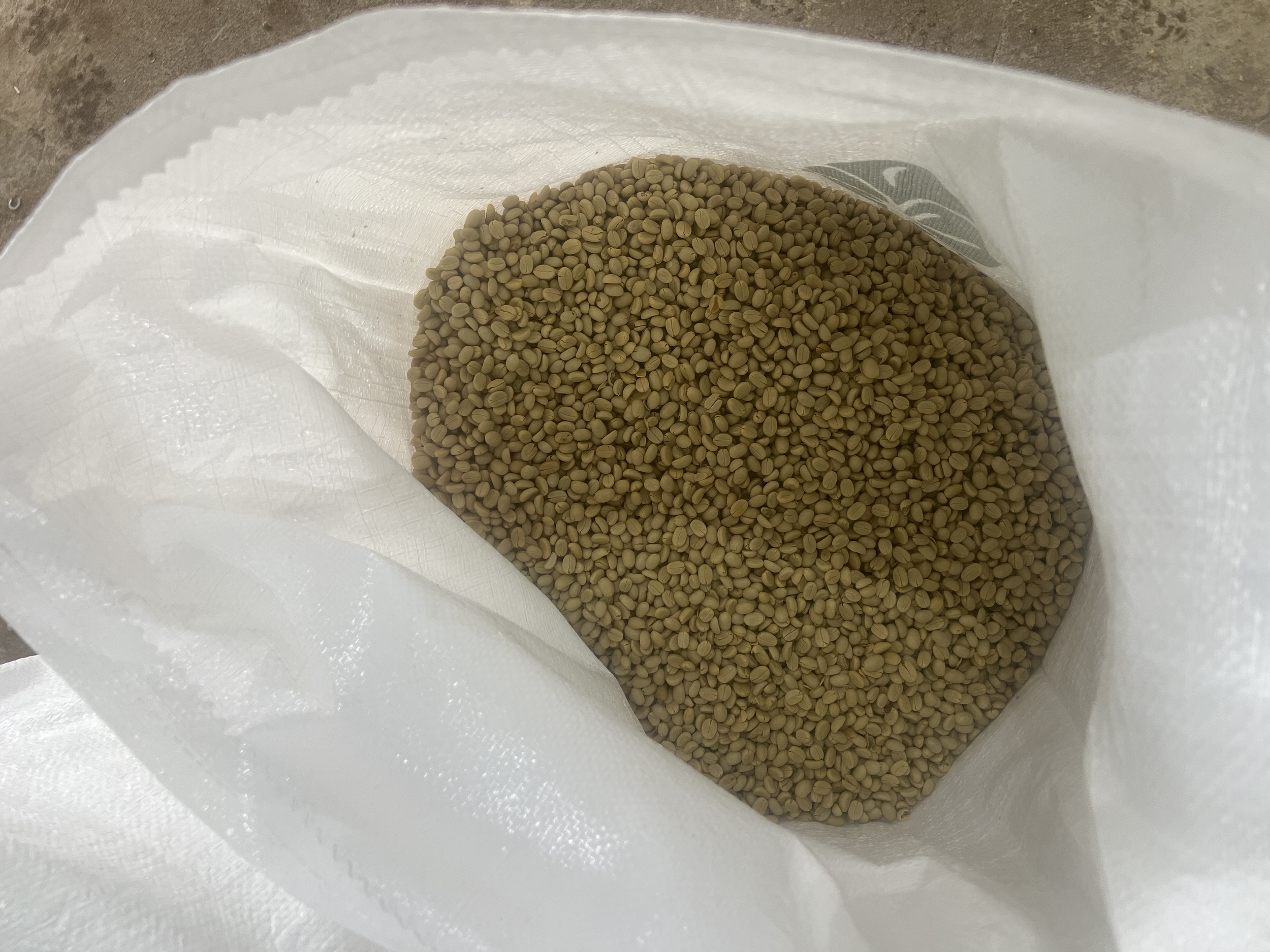
Once the beans are dry and moisture levels have stabilized, they are sent to the Don Esteban dry mill for hulling, sorting, and cleaning, before being stored in a dedicated warehouse.
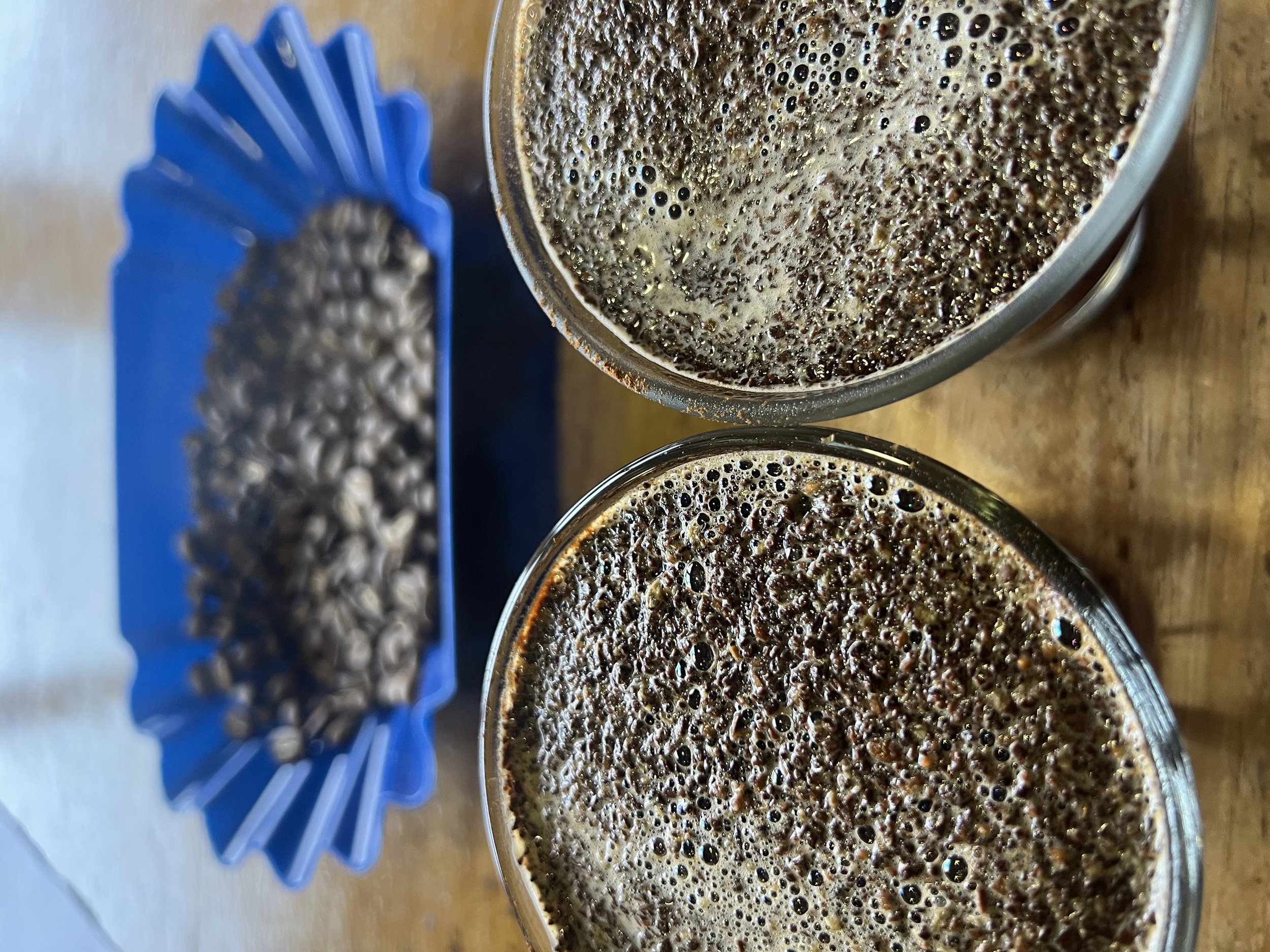
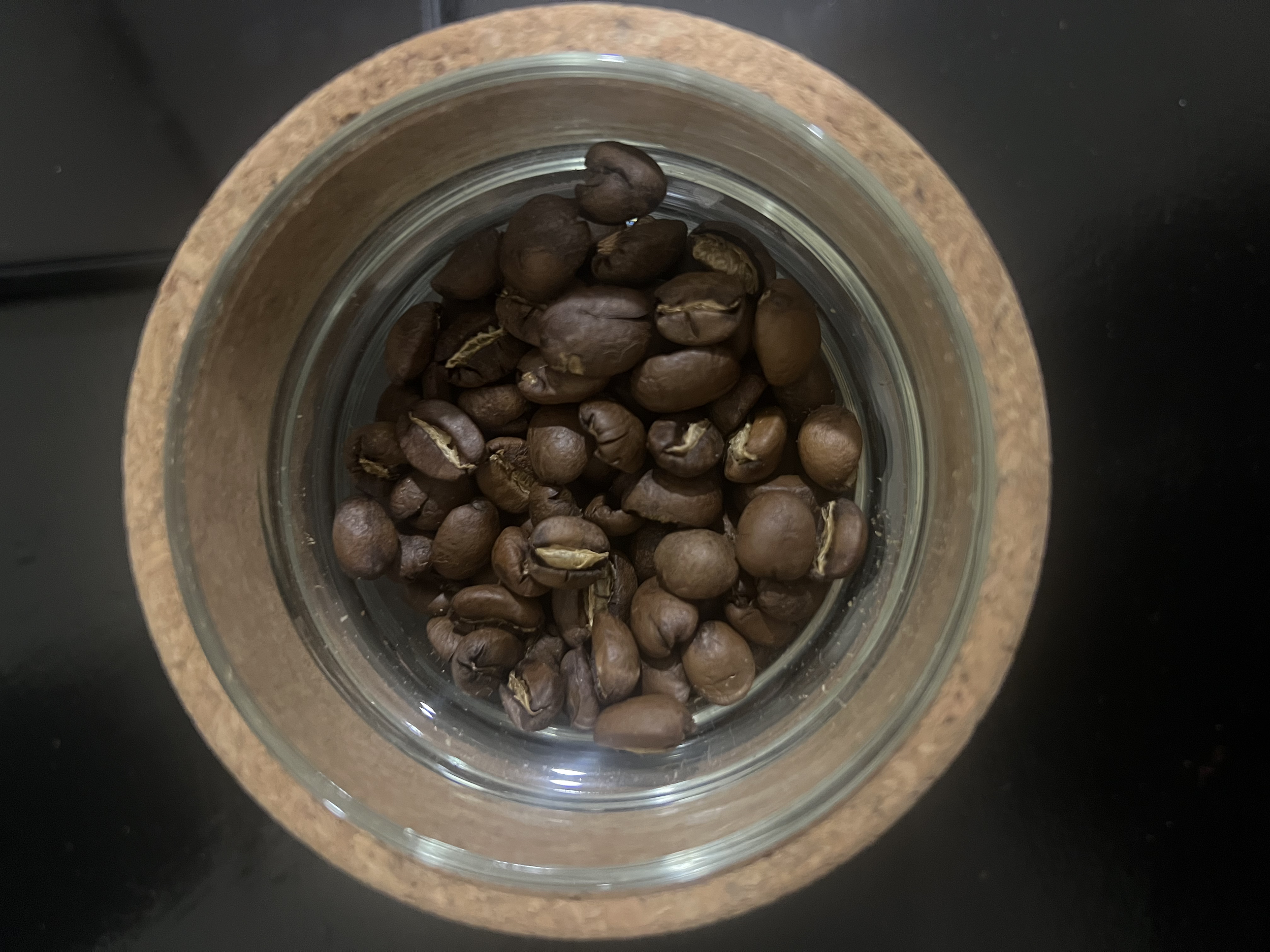
The coffees are then cupped to define the aromatic profile of each lot.